
Alberta is rewriting the rules for graduating high school.
Students will still need 100 credits. But fewer of those credits will be locked into core subjects like English, social studies, math and science, and more will be up to the student.
The province announced the changes Nov. 13. They start with Grade 10 students in fall 2028 and apply to every senior high grade by fall 2030.
Required core credits drop from 56 to 47. Option credits, the ones students choose, rise from 44 to 53. Physical education becomes mandatory all the way through Grade 12, and every student will take wellness and financial literacy in Grades 11 and 12.
What changes
| Current rules | New rules | |
|---|---|---|
| Total credits to graduate | 100 | 100 |
| Required core credits | 56 | 47 |
| Option credits | 44 | 53 |
| English and social studies, Grades 11–12 | Required in both | 10 humanities credits in English, social studies or both |
| Math and science, Grades 11–12 | Five credits in each | Five credits in math or science |
| Phys-ed | Grade 10 only | Grades 10, 11 and 12 |
| Wellness and financial literacy | No senior requirement | Required in Grades 11 and 12 |
| Diploma exams | Required in specific courses | At least one in English, social studies, math or science |
“Option” doesn’t mean optional. Students still need 100 credits. They just get more say over which courses count.

Grade 10 stays mostly the same
Grade 10 students will still take English, social studies, math and science. They’ll also take career and life management, known as CALM, plus physical education and wellness.
The big change comes after that.
What students could skip in Grades 11 and 12
Instead of separate requirements for English and social studies, students will need 10 humanities credits from either subject, or a mix of both.
Instead of five credits in math and five in science, they’ll need five credits in math or science.
That opens up combinations that aren’t possible today. A student who takes Social Studies 20 and 30 could meet the humanities requirement without taking English 30. A student who takes Math 20 could skip senior science entirely.
These subjects aren’t disappearing from schools. Students can still take as many as they want. They just won’t all be required to graduate.
More gym, wellness and money skills
New requirements fill some of that space. In both Grade 11 and Grade 12, students will need:
One credit in physical education
One credit in wellness
One credit in financial literacy
The province says it’s also considering a separate financial literacy assessment. That hasn’t been confirmed as a graduation requirement.
Diploma exams aren’t going away
Every student will still have to write at least one diploma exam, in English language arts, social studies, math or science.
That’s a minimum. Students in other courses with diploma exams still have to write those exams.
Why the province is doing this
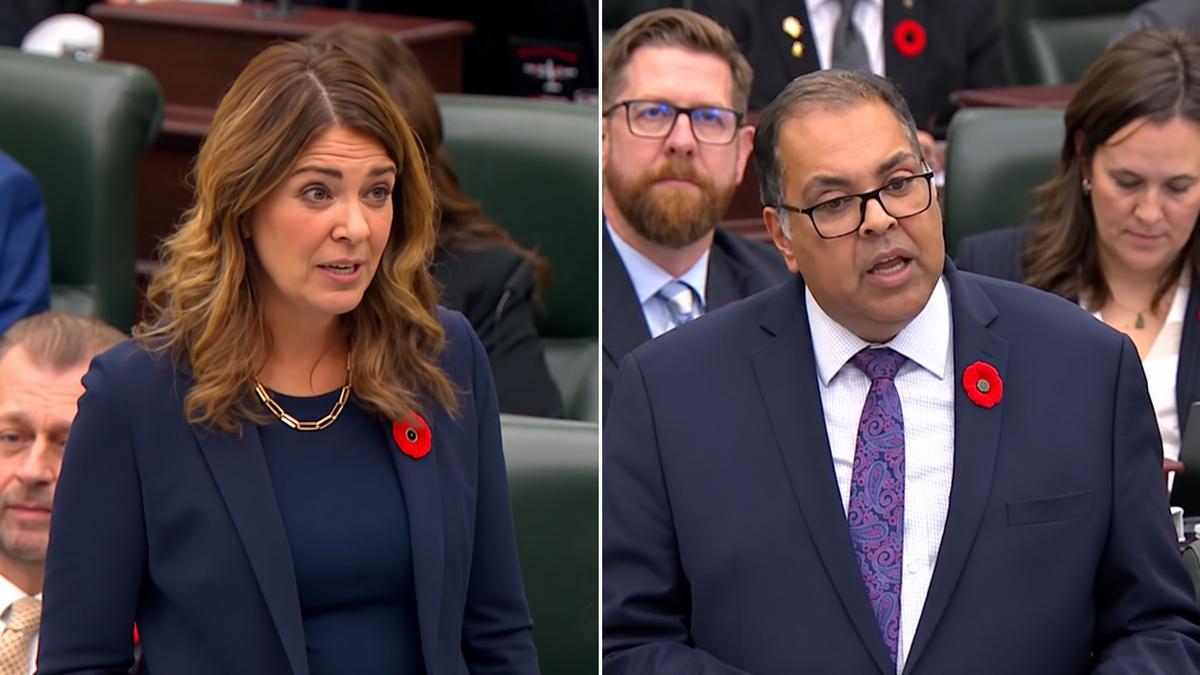
Education Minister Demetrios Nicolaides says students need more room to follow their interests and build hands-on job skills. He pointed to “weak participation and enrolment in the trades from younger generations.”
“More flexibility does not mean lower expectations,” Nicolaides said.
The province says the extra option credits could go toward skilled trades, agriculture, finance, engineering or legal studies, and that the new requirements put “a stronger focus on the practical skills” students need after high school.
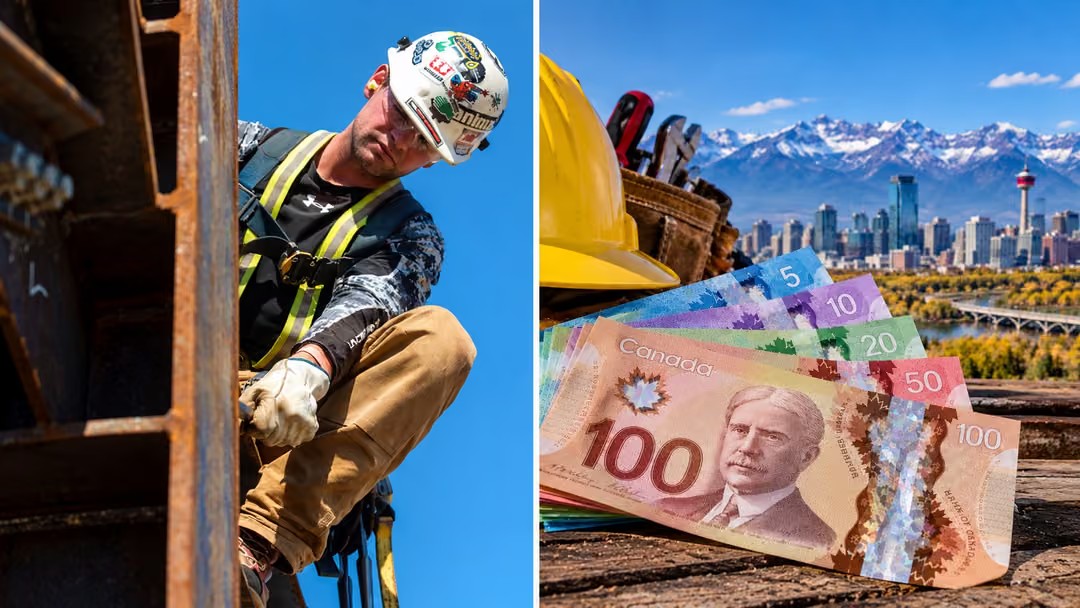
The trades push is a theme. Alberta is also offering tradespeople a $5,000 Red Seal bonus starting Nov. 16.
Some educators welcome the change. Bradey Thompson, principal of Fusion Collegiate, said students have consistently asked for this kind of flexibility, and that they get more engaged when they can see how their classes connect to their goals.
Why teachers are worried
The Alberta Teachers’ Association isn’t on board.
ATA president Jason Schilling said cutting English and social studies requirements could leave students less prepared. Those courses, the ATA says, teach students to communicate, weigh information, understand other perspectives and take part as informed citizens.
“Flexibility in course choices should expand students’ futures, not weaken the foundation they need in order to succeed,” Schilling said.
The ATA also says the changes were announced without meaningful consultation. It wants the government to explain whose advice shaped the plan, what evidence supports it and how it will affect students long-term.
There’s also the question of staff. More phys-ed, wellness and financial literacy courses need teachers. Nicolaides acknowledged schools may need to adapt and hire. He said Alberta has added about 90,000 students in four years and recruited 2,100 new teachers. The ATA says staffing shortages haven’t gone away.

Which students are affected
| School year | Who’s under the new rules |
|---|---|
| 2028–29 | Grade 10 |
| 2029–30 | Grades 10 and 11 |
| 2030–31 | All senior high grades |
If your child is in this grade now (2026–27):
Grade 8 or younger: They’ll start Grade 10 under the new rules.
Grade 9 or 10: They’ll be partway through high school when the change starts. The transition rules aren’t finished yet.
Grade 11 or 12: They’ll likely graduate under the current rules.
That assumes students move up one grade a year. The province says school boards will get transition details for students caught in the middle in spring 2027.
Graduating isn’t the same as getting into university
This is the part parents should pay close attention to.
A student can earn an Alberta high school diploma without meeting the admission rules for a university or college program.
The University of Alberta, for example, currently asks for five specific Grade 12 subjects for direct-entry programs, including English 30-1 or an equivalent. A student who skips English 30 to meet the new humanities requirement through social studies might graduate, then find they can’t apply to the program they want.
Before dropping a subject, students should check with a school counsellor:
Is this course needed for a university, college, apprenticeship or other program I might want?
Is it a prerequisite for something later?
Admission rules can also change, so check again closer to application time.
What happens next
November 2026 to spring 2027: The province consults school authorities and education partners, including on the new phys-ed, wellness and financial literacy courses.
Spring 2027: Public information sessions, plus transition details for students already in high school.
June 2027: Implementation guides for schools.
The province will also consult francophone education partners on how the changes apply to the francophone diploma.
Students already in high school should keep following their school’s current course planning. They can check their credits on myPass and talk to a counsellor about graduation and post-secondary requirements.
Sources
Government of Alberta: New high school graduation requirements announcement, Nov. 13, 2026
Government of Alberta: Graduation requirements comparison and implementation timeline
Alberta Teachers’ Association: Statement on graduation requirements, Nov. 13, 2026



Comments