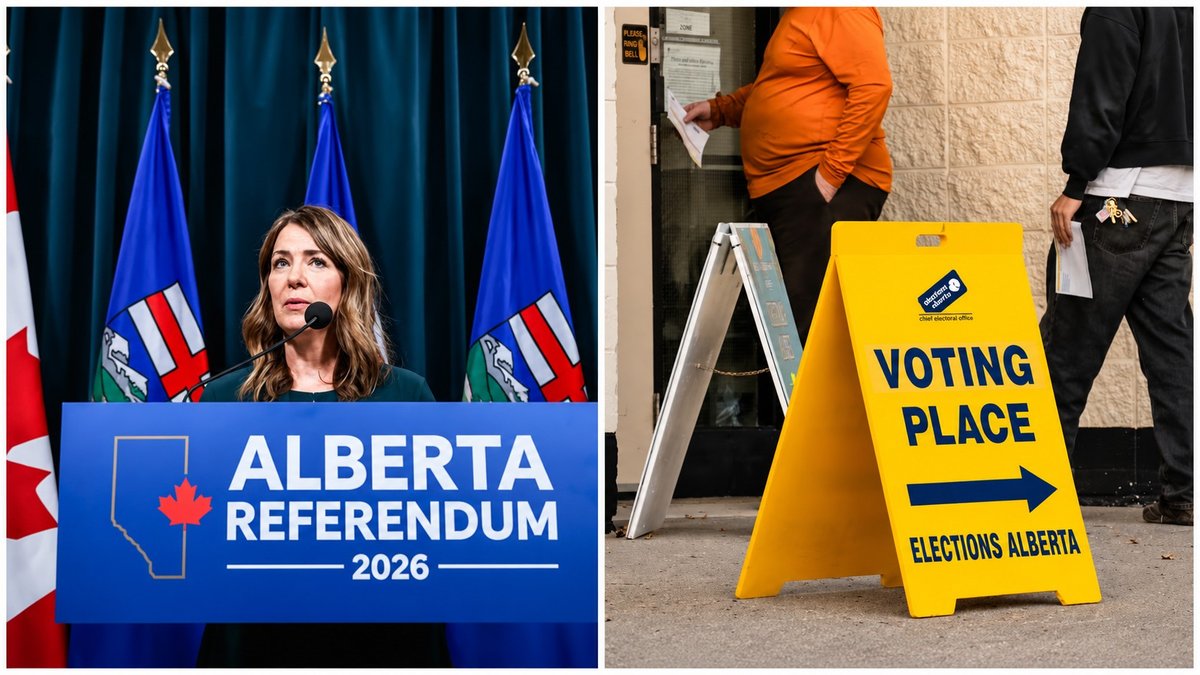
Alberta’s separation referendum cost $84.3 million.
That’s more than double the $36.7 million the province spent on its entire 2023 general election, and about $47.5 million more.
Elections Alberta laid out the numbers for a legislature committee on Thursday and confirmed them Friday. The cost was so far beyond the agency’s annual budget that it had to ask for almost $50 million more just to cover the vote. The committee, with members from both the UCP and the NDP, approved it unanimously.
Now the argument that started before anyone voted has a price tag: was it worth it?
Where the $84 million went
The Oct. 19 vote had 10 questions, and every voter got a separate ballot for each one. That added up to 22,120,141 ballots, all counted by hand. Elections Alberta says that’s more ballots than were cast in all of Canada in the 2025 federal election.
It took more than 47,000 Albertans to run it.
What chief electoral officer Gordon McClure told the committee:
More than $20 million went to paying the people who counted the ballots.
About $7 million went to renting voting and counting spaces.
Nearly $11 million went to security, IT equipment, and shipping and postage for ballots.
Elections Alberta hasn’t released a full line-by-line breakdown.
It asked for $59.6 million in extra funding this year. Not all of that is the referendum:
| What it’s for | Amount |
|---|---|
| Referendum operations | $49,558,434 |
| Getting ready for the 2027 election | $9,000,000 |
| More full-time staff | $993,742 |
| Total | $59,552,176 |
It cost less than people feared
Before the vote, the warnings were bigger.
In June, former Alberta chief electoral officer Lorne Gibson estimated it could cost up to $130 million. A campaign against the referendum ran ads using $134 million.
The real number came in about $46 million under Gibson’s estimate.
Per ballot, it was a bargain
This is where the numbers get interesting.
The 2023 election cost about $20.68 for every vote cast. The referendum works out to about $3.81 a ballot.
The catch is that each voter cast up to 10 ballots. About 2.2 million ballots were cast on the separation question, so per voter, the referendum comes to roughly $38. That’s nearly double the cost of a voter in 2023.
Turnout was higher, too. About 70.4 per cent voted on the top questions, compared with 60.5 per cent in 2023.
“Crushing” for the people who ran it
Elections Alberta officials told MLAs the vote nearly broke their workforce.
Chief administrative officer Steve Kaye said his longest shift was 22 hours, and the executive team worked multiple 16- to 20-hour days. McClure said one staff member developed appendicitis and put off getting it treated.
“People went above and beyond,” McClure said.
“People are tired,” Kaye said, “and we have some concerns going forward about being able to hire some of the people that have worked for us in the past.”
There’s a reason they’re tired. Of the 58 electoral events held across Canada since January 2025, including recall petitions, citizen initiatives, byelections and the referendum, 37 were in Alberta. Elections Alberta has 54 full-time staff. Kaye said it would have more than four times that if it were staffed like Quebec’s.
“Our budget presentation captures the dollars and cents aspects of conducting this event,” McClure said, “but does not account for the human capital cost.”
What Albertans got for it
On the main question, 74.95 per cent, or 1,556,316 voters, chose to stay in Canada. The other 25.05 per cent, or 520,233 voters, wanted to start the process toward a binding vote on separation. The question never asked about independence directly.
Five questions on immigration, access to provincial programs and voting requirements passed, some narrowly. All four proposed constitutional amendments failed.
None of it is automatically binding. Any changes still need government action.
The case that it was worth it
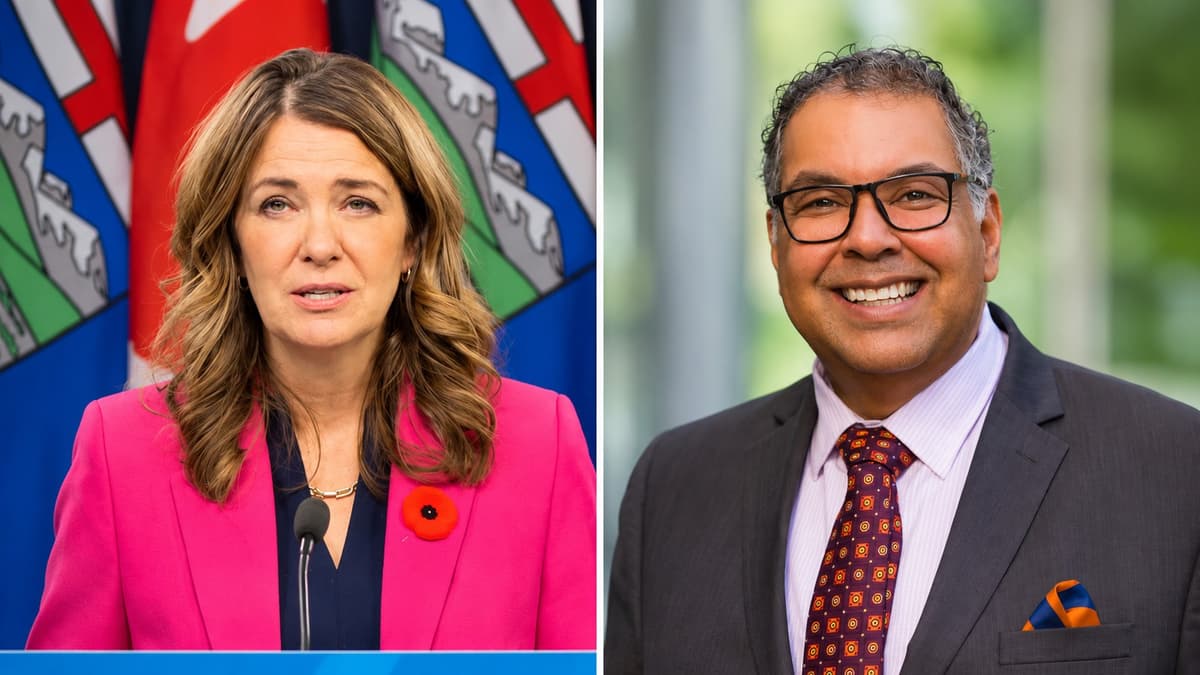
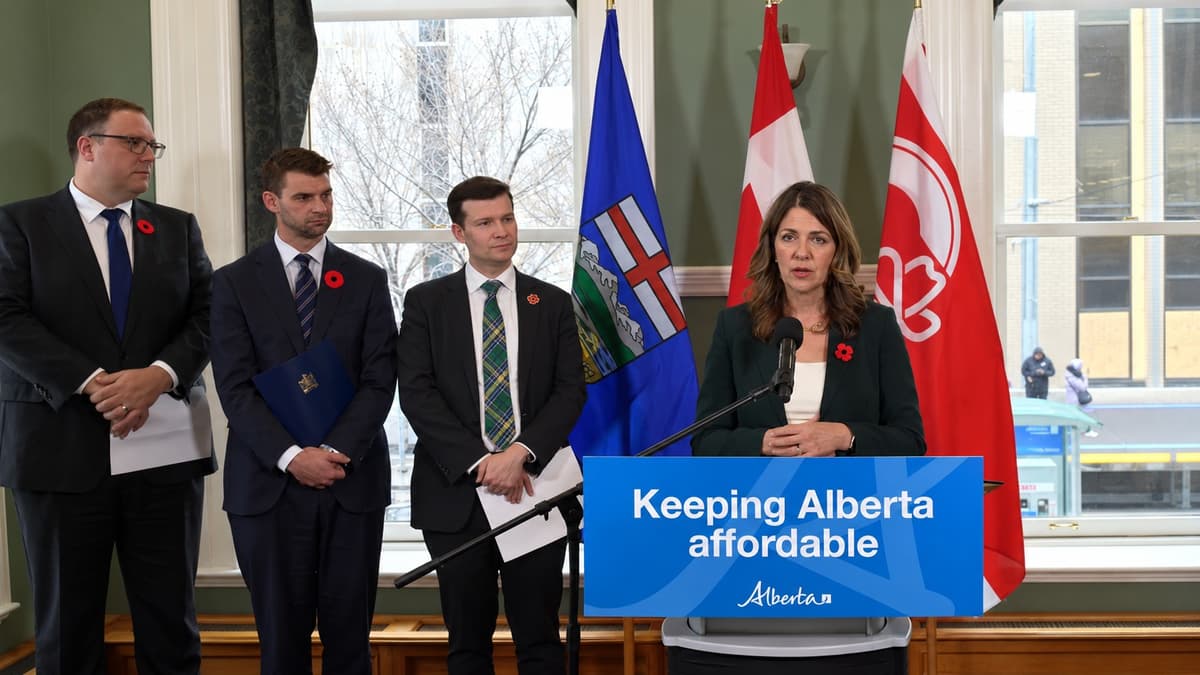
The separation question came from a citizen petition. Premier Danielle Smith says the government owed people a vote.
She’s pointed to about 700,000 Albertans who signed two competing petitions, roughly 400,000 to stay in Canada and 300,000 to hold a vote on independence.
“When 700,000 people sign a petition saying they want to have this debate,” she told the legislature last month. “It was a good exercise, Mr. Speaker.”
The argument for it is that a clear, high-turnout result settles the question in a way polls never could. Three in four Albertans said stay. That’s hard to argue with.
The case that it wasn’t
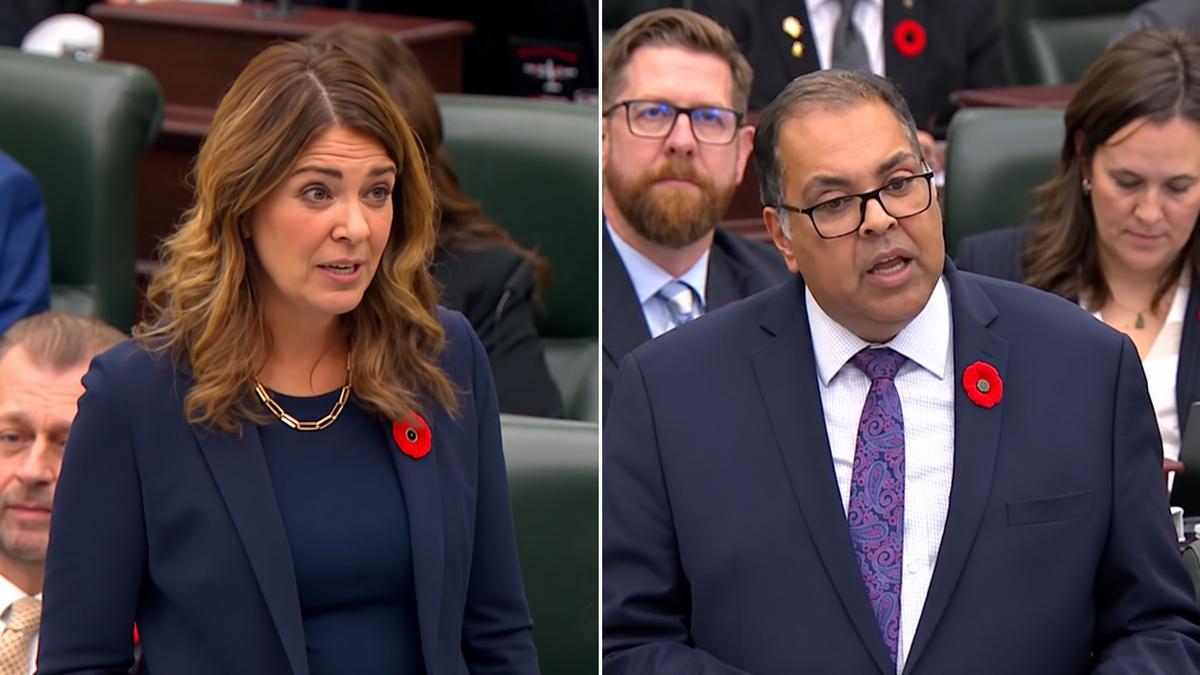
NDP Leader Naheed Nenshi calls it “a distraction and a division tactic.”
At Thursday’s committee meeting, NDP MLA David Shepherd thanked Elections Alberta staff for a “heroic effort” and pointed out that the vote was the government’s choice.
“We will leave that to Albertans, I guess, to determine what the return on investment is,” he said.
The sharpest version of that argument goes back a year.
In October 2025, about 51,000 Alberta teachers went on strike for 23 days. Class sizes were at the centre of it, with some classrooms topping 40 students. The government ended the strike with back-to-work legislation and the notwithstanding clause, which bars teachers from striking again until 2028.
This fall, a third-party campaign called Alberta’s Voice put the referendum’s cost in classroom terms. It said the money could have paid for 188 teachers, 150 family doctors, 794 educational assistants or two new 900-student schools. Those numbers used the $134 million estimate, so the real figure would be smaller.
“Spending this money on this type of activity is just silly,” said Stephen Carter, who runs the campaign.
Education Minister Demetrios Nicolaides stood by the vote and said the province has already set aside classroom funding.
Skipping the referendum wouldn’t have automatically sent the money to schools. That would have taken a separate decision. But that’s the trade-off critics are pointing at.
The bill might not be done
The $84.3 million is a projection, not a final audited number. It also only covers Elections Alberta. It doesn’t include the government’s own advertising for the referendum.
And the next vote is coming fast. Alberta’s general election is set for Oct. 18, 2027. McClure asked the government for more time to set up new electoral boundaries, or to run the election on the old ones. The government said no, and plans to pass the new maps before Christmas.
McClure warned that rushing could mean “paying a lot more” for 2027.
Comments