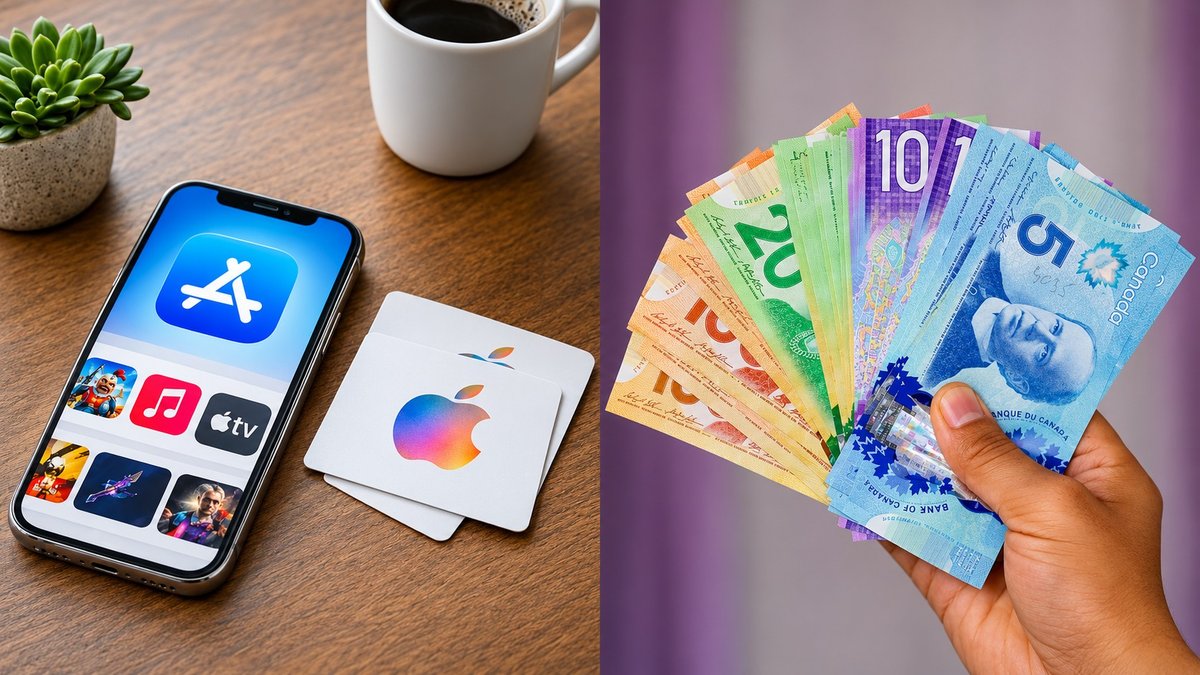
If a scammer talked you into buying an Apple gift card and reading them the code, you may be able to get some of that money back. Even if it happened years ago.
Apple has agreed to pay $1.25 million to settle a Canadian class action over iTunes, App Store and Apple Music gift card scams. The claim window opened Oct. 23 and closes Feb. 20, 2027. Albertans file through the same national process as everyone else.
Two things to know before you get your hopes up. This is not a refund, and the money will be split among everyone who qualifies. And buying a card is not enough. You need to show you were defrauded, that nobody paid you back, and that you reported it.
Who qualifies
The settlement administrator lists five conditions. You need all of them:
You live in Canada.
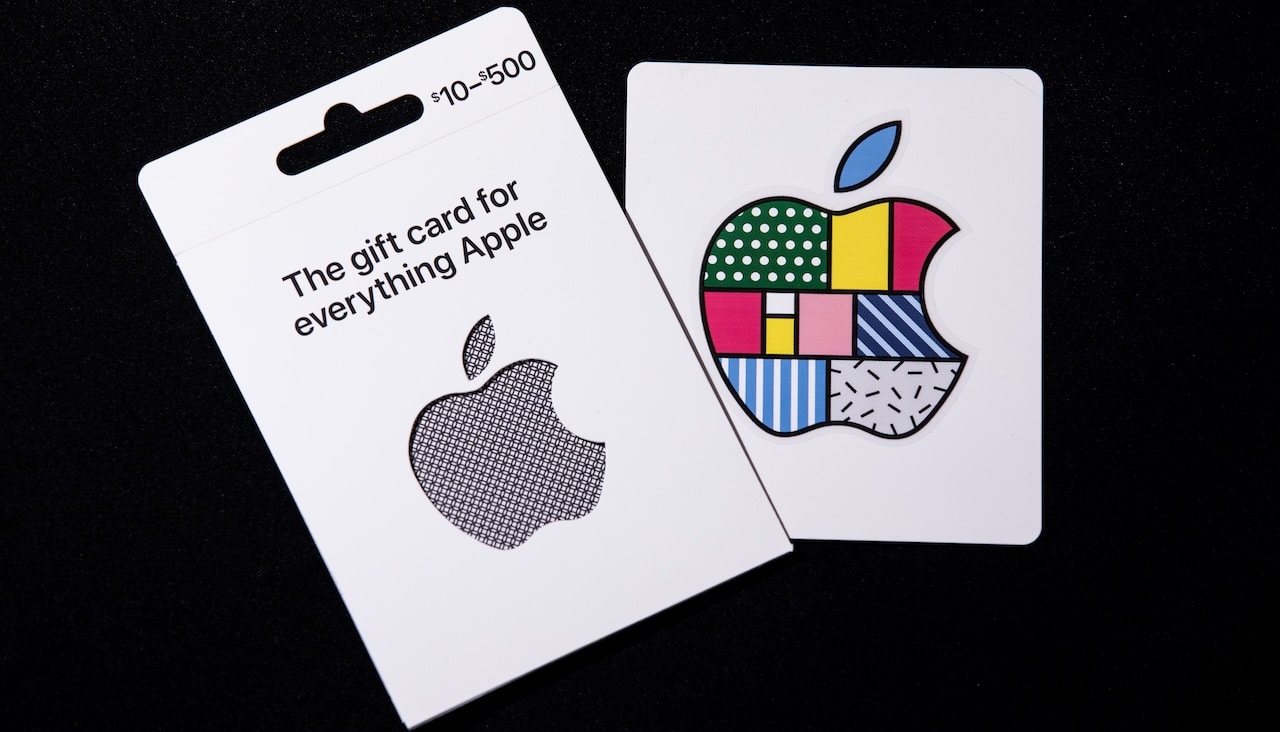
You bought an iTunes, App Store or Apple Music gift card between Jan. 1, 2016 and Sept. 16, 2026.
You gave the redemption code to someone you did not know, who got it from you under false pretences.
Apple or anyone else did not fully refund or compensate you.
You reported the fraud.
One claim form covers every card you lost. People who opted out of the class action earlier are excluded, along with people connected to Apple, the law firms and the court.
Never complained to Apple? You may still qualify
This is the part most people get wrong.
Reporting to Apple matters for how much you get, but it is not the only report that counts. The administrator's FAQ also accepts a police report, correspondence with the retailer that sold you the card, chargeback communications with your bank or credit card company, and reports to recognized fraud authorities such as the Canadian Anti-Fraud Centre.
So if you called the police in 2019 and gave up after that, dig out the file number. If you are not sure your report qualifies, call the administrator before you decide you are out.
How the money is split
The $1.25 million is the whole pot. Legal fees and administration costs come off the top first. What is left gets divided two ways:
75 per cent goes to claimants whose report to Apple can be verified, paid out in proportion to their losses.
25 per cent goes to everyone else who qualifies, split equally.
Everyone fills out the same form. The administrator decides which group you land in. The administrator has not said how much anyone will receive because it depends on how many claims are approved. If thousands of people file, individual payments will be small.
For context, Apple settled a similar case in the United States for US$35 million in 2024. The Canadian settlement is a fraction of that.
How to file before Feb. 20
Go to giftcardsettlement.ca and choose File Claim.
Have these ready:
Government ID and contact information
Proof you bought the cards: receipts, bank or credit card statements, screenshots, or the physical cards
Proof you reported the fraud: a police file number, an Apple case number, emails with your bank or the retailer, or a Canadian Anti-Fraud Centre report number
If you cannot file online, call 1-888-808-3269 for a paper form. Paper claims must be postmarked by Feb. 20, 2027 and mailed to Verita Global, Apple Gift Card Administrator, PO Box 3355, London, ON N6A 4K3.
Keep a copy of everything. If the administrator asks for more documents, you get at least 30 days to respond. No payment date has been set. Cheques go out after claims are reviewed and any disputes are settled.
What Apple was accused of
The lawsuit was filed in Ontario against Apple Inc., Apple Value Services and Apple Canada. The argument was that because scam gift cards are redeemed on Apple's own platforms, Apple could see where the money went, could have held or reversed transfers to fraudsters, and could have flagged suspicious redemptions. Instead, the claim says, Apple refused refunds to people who were tricked into giving up their codes.
Apple denies all of it. It says the scammers, not Apple, took the money, and that it owed no refunds. None of the allegations were proven in court. The Ontario Superior Court of Justice approved the settlement on Sept. 16, 2026.
The scam that keeps working in Alberta
Albertans reported more than $39 million in fraud losses to the Canadian Anti-Fraud Centre in the first nine months of 2024, from 2,164 victims. Nationally, losses passed $704 million in 2025. Most fraud is never reported, so the real numbers are higher.
Gift cards are a favourite because the code is as good as cash and the money is gone the moment you read it out. The classic version, which Edmonton police still warn about, starts with a call claiming you owe back taxes. The caller threatens arrest, keeps you on the line, and walks you to a store to buy gift cards. The number on your phone can be spoofed to look like the CRA or the police.
Newer versions use a grandchild in trouble, a fake Amazon or Microsoft support line, a boss asking for "client gifts," or a romance that suddenly needs money.
The CRA says it will never demand payment in gift cards or threaten arrest over the phone. Apple says its gift cards cannot be used to pay taxes, bail, utility bills or anything outside Apple. If someone asks for a code over the phone, it is a scam, every time.
If it happens to you now
Call Apple Support right away with the card numbers. If the card has not been redeemed, Apple can sometimes freeze it. Report it to your local police and to the Canadian Anti-Fraud Centre at 1-888-495-8501 or online. Keep the card and the receipt. That paper trail is exactly what this settlement asks for, and it is what the next one will ask for too.
Sources:
Apple iTunes and App Store Gift Card Class Action Settlement (official notice)
Sotos LLP: Apple iTunes gift card class action
Edmonton Police Service: CRA scams
Canada Revenue Agency: Recognize a scam





Comments