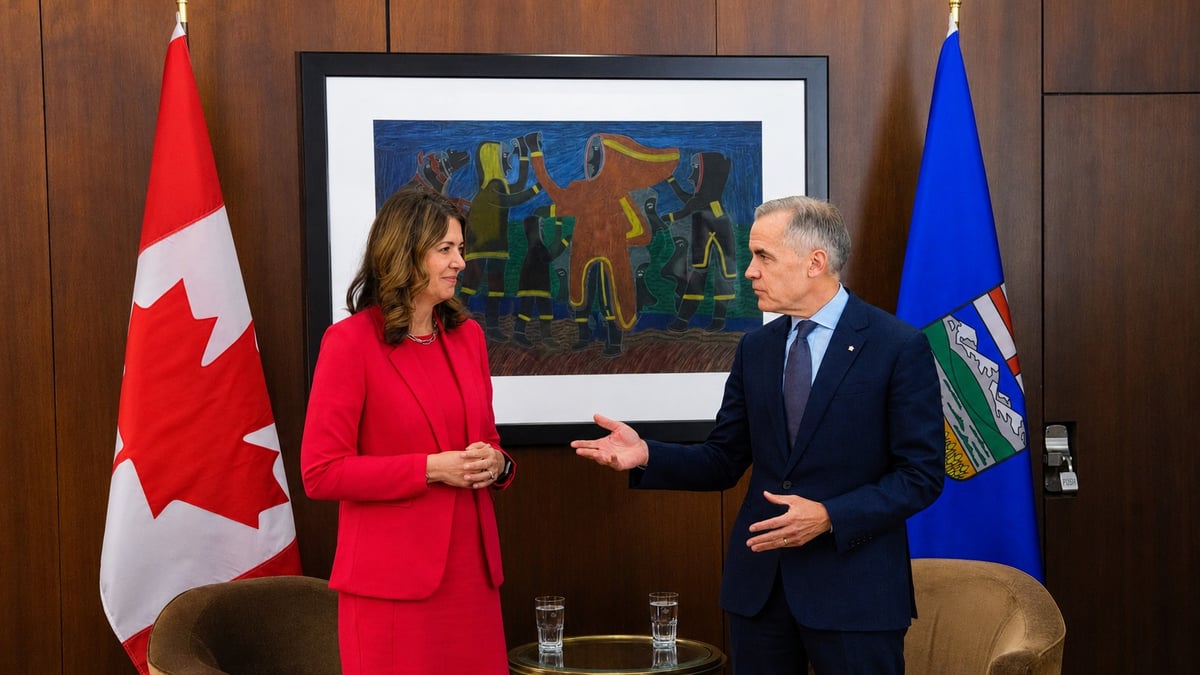
Alberta gets a pipeline to the coast. Ottawa gets carbon capture. Neither happens without the other. That's the deal, and it's the easy part.
On July 13, Alberta announced that it, the federal government and the five largest oilsands producers have signed a memorandum of understanding to advance Pathways, a carbon capture and storage network that would be the largest on earth. The agreement was actually signed on July 2, the same day Alberta filed its West Coast pipeline proposal with the federal Major Projects Office.
That timing isn't a coincidence. It's the whole point.
The bargain
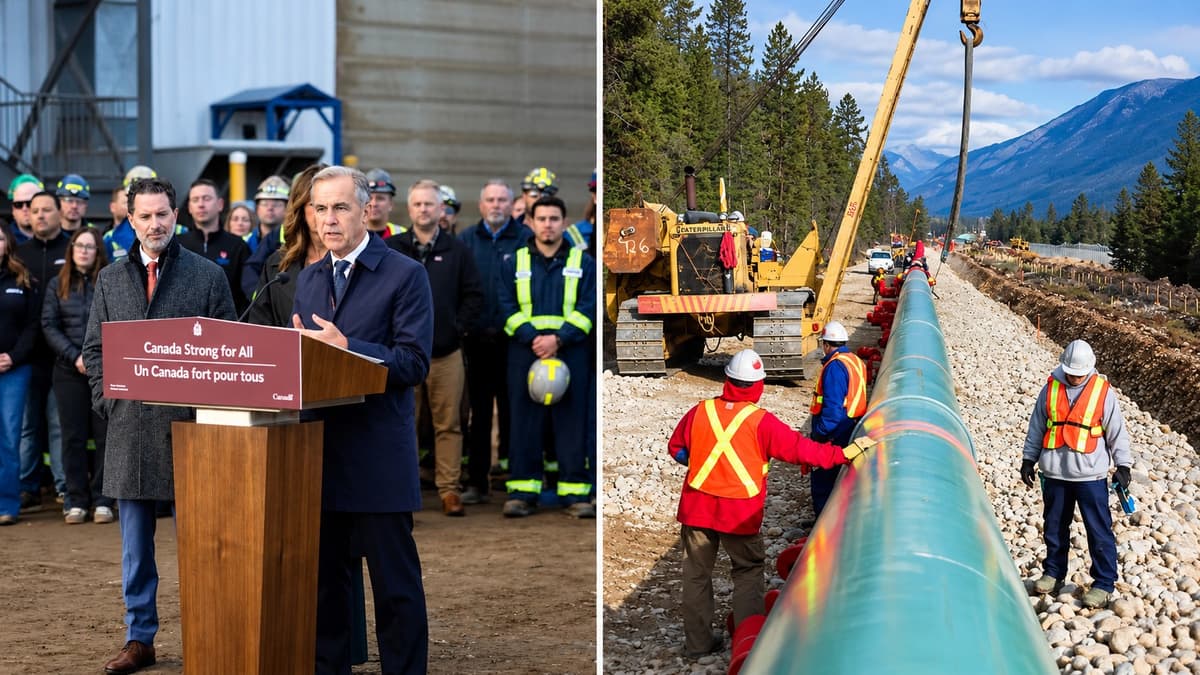
Prime Minister Mark Carney has been unambiguous for months: no new pipeline without the carbon capture project. That condition is what pushed this agreement over the line, and it's what the five companies, Canadian Natural, Suncor, Cenovus, Imperial and ConocoPhillips Canada, were negotiating against.
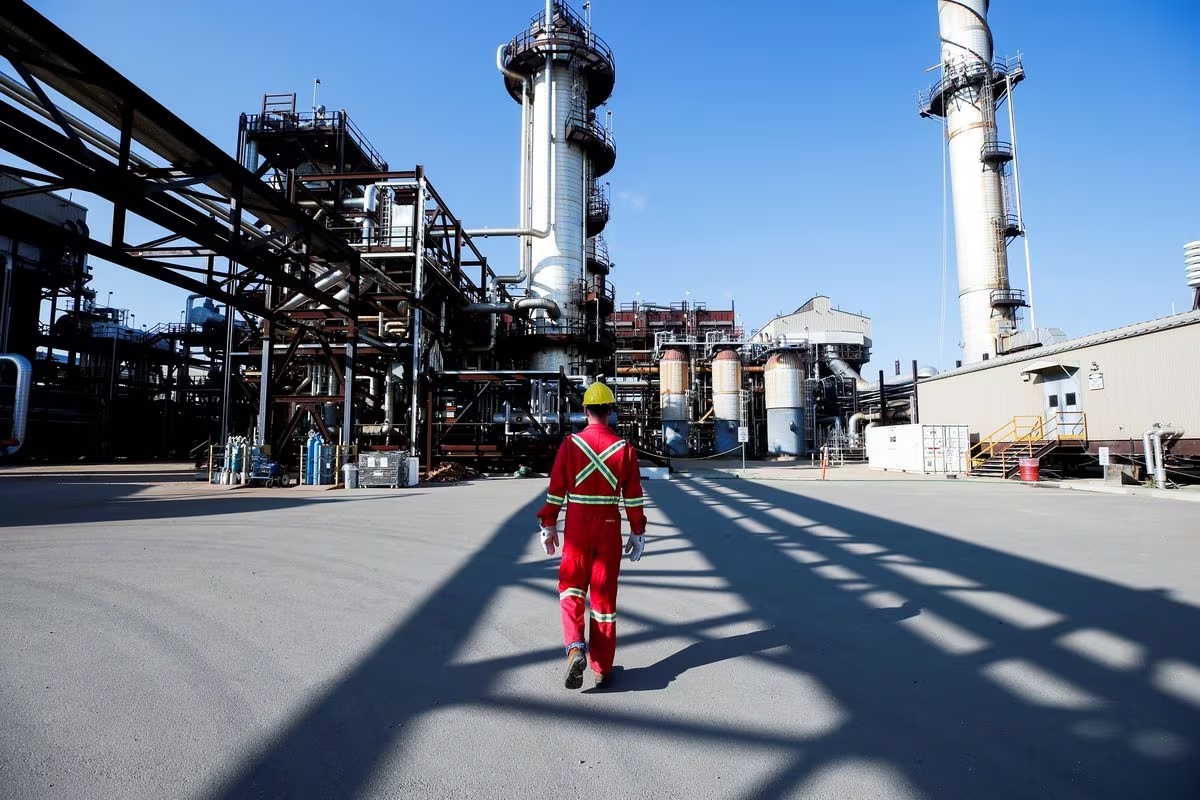
In exchange for committing to Pathways, industry gets a great deal more than a pipeline. The MOU commits the governments to "streamlining and simplifying Alberta's regulatory processes" so producers can ramp up output quickly. Alberta has introduced a 120-day approval window for major projects. Ottawa is extending investment tax credits for carbon capture equipment to 2035. Alberta is finalizing its own incentive program. And both governments have agreed to work with industry on financial incentives designed to attract, in the province's words, "tens of billions in new investment" in oil and gas production growth.
"This agreement shows what can be achieved when governments and industry work together," Premier Danielle Smith said.
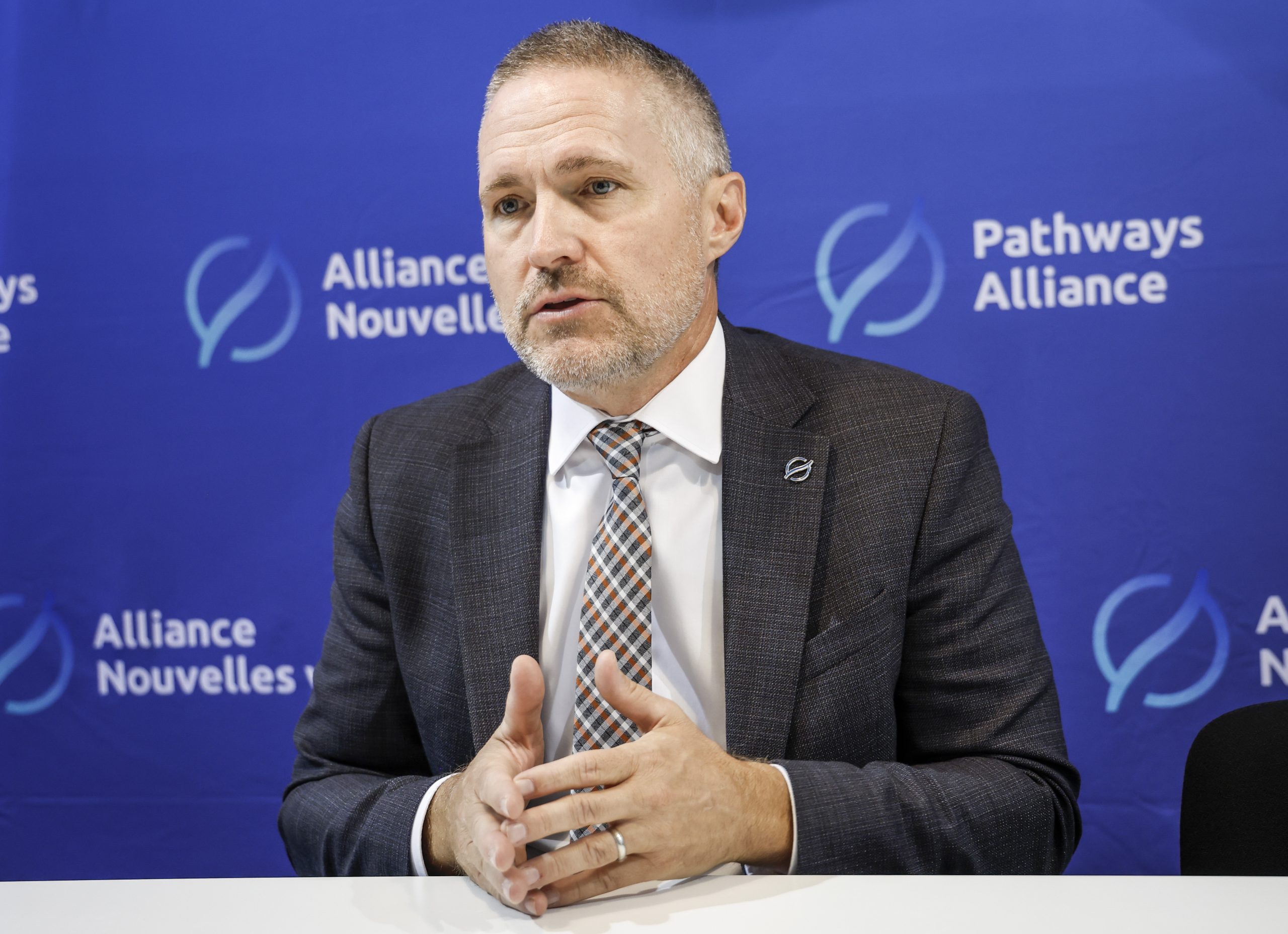
Kendall Dilling, president of the Oil Sands Alliance, was more measured: "We believe we've achieved a framework that is positive for the oil sands industry and provides a step forward to help enable production growth and to advance the Pathways Project."
Read that again. A step forward. Not a commitment to build.
What Pathways actually is
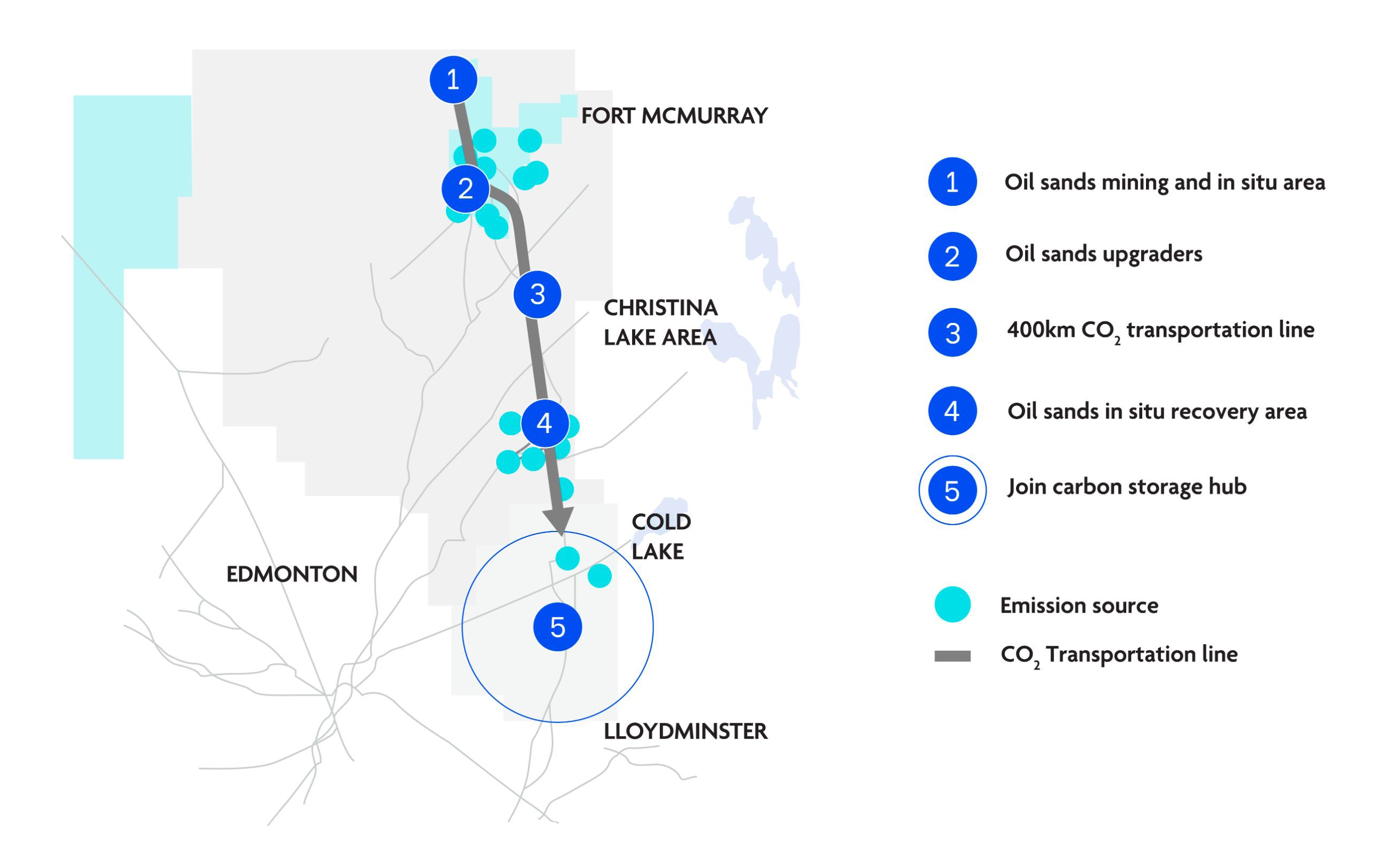
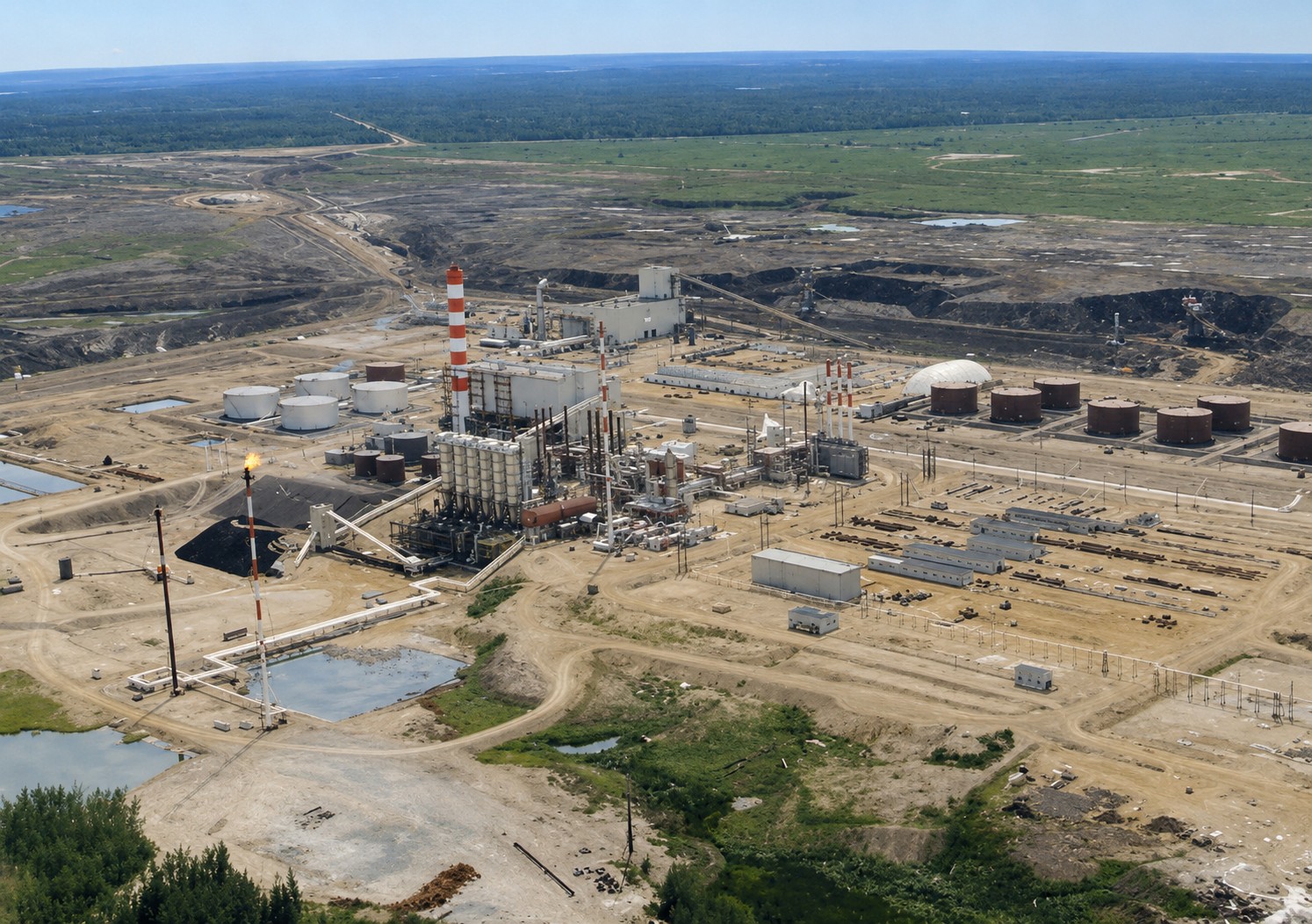
Pathways is a roughly 400-kilometre pipeline network, but it doesn't move oil. It moves carbon dioxide.
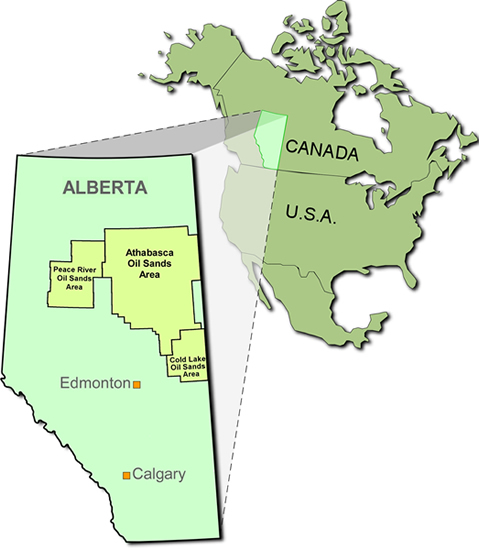
CO2 captured at oilsands facilities across northern Alberta would be piped to an underground storage hub near Cold Lake and permanently sequestered. The target is six million tonnes of CO2 a year by January 1, 2035, with another 10 million tonnes of reductions coming from expanding Pathways and deploying other technologies. Sixteen million tonnes a year, total.
The timeline runs in stages: infrastructure in service by January 1, 2032, project complete three years after that.
For scale, Alberta says it has captured more than 19 million tonnes of CO2 in total through the Alberta Carbon Trunk Line and the Quest facility, and has put roughly $2 billion into carbon capture programs. Pathways would capture six million tonnes every year.
The jobs and the money
The province says Pathways could create up to 40,000 jobs across the country and represents billions in federal and industry investment in Alberta. Federal figures put the combined pipeline-plus-Pathways job creation at roughly 175,000 across Alberta, B.C. and the rest of the country.
Cold Lake, a city of about 15,000, becomes the storage hub for the largest carbon capture project in the world. That's a significant thing to land in a community that size.
The production math
Alberta's stated goal is to double oil production to eight million barrels per day over the next 10 to 15 years. The province currently produces about 4.8 million barrels a day, a record, up from 4.1 million in late 2022. The West Coast pipeline would carry more than a million barrels a day to tidewater and Asian markets.
Supporters argue this is the deal that lets Alberta grow while cutting emissions intensity, that the oil is going to be produced somewhere, and that Canadian barrels arriving with carbon capture attached beat the alternative. Energy Minister Brian Jean puts it directly: "Growing Alberta's energy production and reducing emissions can go hand in hand."
Critics say the arithmetic doesn't work. Doubling production while capturing 16 million tonnes a year means total emissions still rise, and a carbon capture project becomes political cover for expansion rather than a climate measure. Some also question whether the weakened industrial carbon price undercuts the very incentive companies have to build Pathways at all. And the West Coast pipeline, estimated in the range of $35 to $44 billion, would land substantially on Alberta and federal taxpayers, who already own a $34-billion Trans Mountain the government has been unable to sell.
Both sides argue the numbers back them. This MOU settles nothing on that front.
What still hasn't happened
An MOU is not a construction contract. Alberta's own release states plainly that Pathways "remains subject to regulatory approvals and the execution of definitive agreements." Those agreements are expected this fall. The Pathways coalition still has to make an actual final investment decision to build.
That matters, because Pathways has a history. The oilsands companies first proposed it in 2021, then let it sit in limbo for years, largely over cost. The project only moved when Ottawa made it the price of a pipeline.
The pipeline has its own gauntlet. The Major Projects Office will decide whether to list it as a project of national interest by October 1. Consultations with Indigenous groups, provinces and territories are only beginning. The proposed corridor starts near Bruderheim and largely follows the existing Trans Mountain route, and Ottawa says it will respect the Oil Tanker Moratorium Act. B.C. Premier David Eby has softened his opposition but has not endorsed it. Coastal First Nations and environmental groups are already organizing against it. Alberta has declined to name which First Nations it has consulted, saying more than 40 Indigenous leaders have been engaged but that names are withheld to protect open participation.
An equity stake in the pipeline is reserved for Indigenous Peoples. Who holds it, and on what terms, has not been determined.
What it means for Albertans
If all of it gets built, Alberta gets a pipeline to Asian markets, a decades-long construction boom, a carbon storage industry anchored at Cold Lake, and a production ramp that would make it one of the largest oil-producing jurisdictions on the planet.
If it doesn't, the province has spent political capital and taxpayer money on a project that stalls in regulatory review, in the courts, or in an industry board room that decides the numbers don't work.
The definitive agreements land this fall. That's the next thing worth watching.
Sources:
Government of Alberta, "Major milestone for oilsands production and Pathways," July 13, 2026 (alberta.ca), with statements from Premier Danielle Smith, Minister Brian Jean, and Oil Sands Alliance president Kendall Dilling
Prime Minister of Canada, "Canada and Alberta advance west coast pipeline project proposal and Pathways Project Carbon Capture Initiative," July 2, 2026 (pm.gc.ca)
Government of Canada, One Canadian Economy, MOU terms and emissions reduction targets (canada.ca)
Statement from Tim Hodgson, federal Minister of Energy and Natural Resources
Canada-Alberta Memorandum of Understanding (November 2025) and Implementation Agreement (May 15, 2026)


Comments
Conversation