It started with a wrong turn, or at least the wrong road.
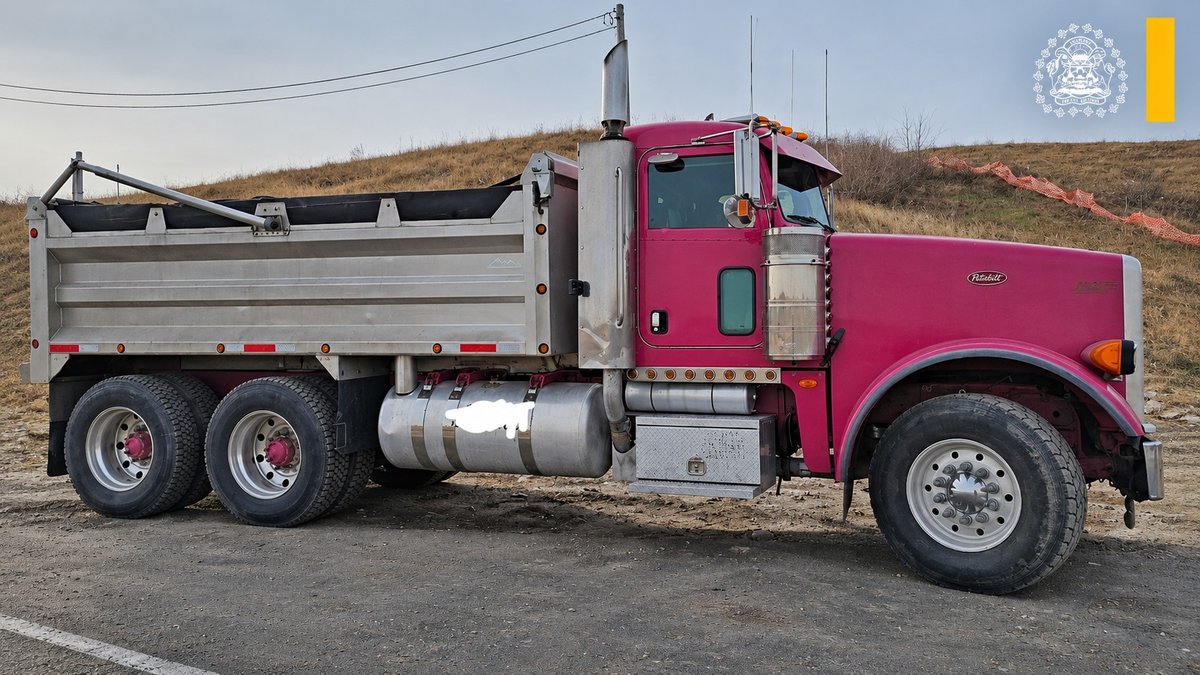
Calgary police stopped a gravel truck in northwest Calgary shortly after 12:15 p.m. on Friday, Nov. 13. It was on a road where trucks aren't allowed to drive.
That alone cost the driver $500.
Then officers took a closer look at the truck. They found defective brakes and "several other deficiencies." That added another $1,620 in fines, and the truck was taken off the road.
"Commercial vehicles must be properly maintained & safe to operate," police wrote on X.
Police didn't say which road it was or what the other problems were. None of the tickets has been proven in court.
The tickets
| Violation | Fine |
|---|---|
| Driving on a road where trucks aren't permitted | $500 |
| Defective brakes and other deficiencies | $1,620 |
| Total | $2,120 |
Police gave the $1,620 as one combined figure for everything the inspection turned up.
Why the brakes matter more than the fine
A loaded gravel truck weighs many times more than a car. It needs much more distance to stop, and it depends on every brake working.
Defective brakes are the most common reason commercial trucks fail roadside inspections. A Calgary police traffic sergeant who's also a certified commercial vehicle inspector has said that when the unit targets trucks it expects to fail, the out-of-service rate runs in the mid-to-high 80s. Brakes and loose steering parts top the list.
That's why "taken off the road" is a big deal. It means the truck was placed out of service. It can't be driven again until it's repaired and passes inspection. For a gravel hauler, that's lost work on top of the fines.
Where can gravel trucks drive in Calgary?
Calgary keeps heavy trucks on a network of designated truck routes.
The city's truck route bylaw covers truck-type vehicles with a maximum weight over 4,500 kilograms. That includes gravel and dump trucks.
Trucks must stay on designated routes, which are shown on the City of Calgary's truck route map.
Some routes have limits based on the time of day or how many axles a truck has.
Trucks can leave the routes when they need to, like making a delivery, doing a job at a specific site, or going to a business for fuel, repairs, food or a place to stay. Even then, they're expected to take the most direct way back to a truck route.
Residential streets are where the rules matter most. Heavy trucks wear down roads that weren't built for them, and they're harder to see around for kids, cyclists and pedestrians.
What Alberta requires of commercial trucks
Under Alberta rules:
Commercial vehicles must be kept in good working order through regular maintenance.
Trucks with a licensed weight over 11,794 kg must complete trip inspection reports, a check of brakes, tires, lights and more before driving.
Police and Alberta Sheriffs can inspect trucks at the roadside, and pull them out of service on the spot if they find serious problems.
Across Alberta, sheriffs did more than 15,000 commercial vehicle inspections in 2025 and pulled more than 4,000 vehicles off the road.
The second truck in weeks
This isn't the first unsafe truck Calgary police have flagged this fall.
On Oct. 30, officers stopped a commercial truck hauling 7,800 kg on a 4,500 kg limit. It had three defective tires, a parking brake that didn't work and an unregistered trailer. Both the truck and trailer were towed.
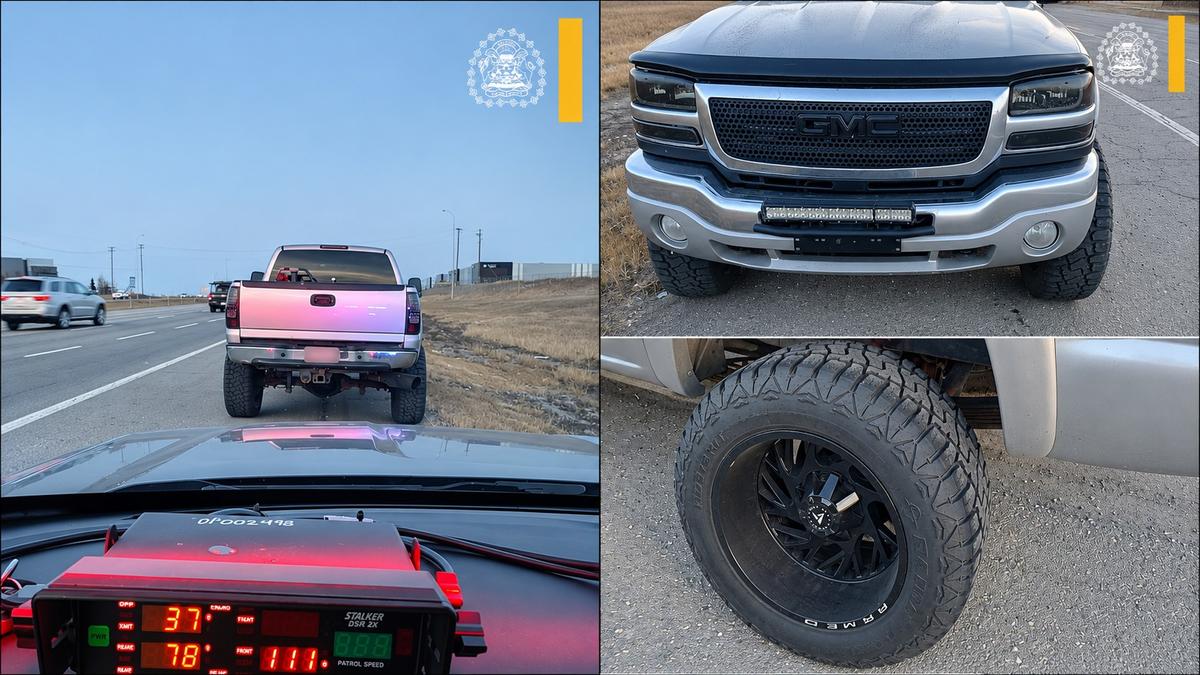
The same day as the gravel truck stop, Nov. 13, police also pulled over a pickup with tinted lights, no mudflaps and no insurance. That driver's eight tickets came to $3,931, plus the tow.
Drive to Zero
Police ended the post with a link to the City's Drive to Zero campaign, part of Calgary's Vision Zero plan to end deaths and serious injuries on city roads.
The City says the need is real. In 2025, 15 pedestrians were killed on Calgary streets, the most in 11 years, and 20 motorists died.
Related coverage
Calgary Driver Clocked at 111 km/h in a 60 Zone on 96 Avenue N.E.
Calgary Food Delivery Driver Clocked at 131 km/h in an 80 Zone on McKnight Boulevard






Comments