
Looking for the next payment? See the 2026 AISH payment dates and the AISH calculator.
Letters are going out across Alberta this month. If you're on AISH, one is coming to you or may have already arrived telling you whether you'll stay on AISH or move to the new Alberta Disability Assistance Program on July 1.
For roughly 50,000 Albertans, that letter says ADAP. For about 30,000, it says AISH. In Calgary, approximately 23,000 people are in the first group.
Calgary Mayor Jeromy Farkas posted a video message this week responding directly to what he's been hearing from those residents.
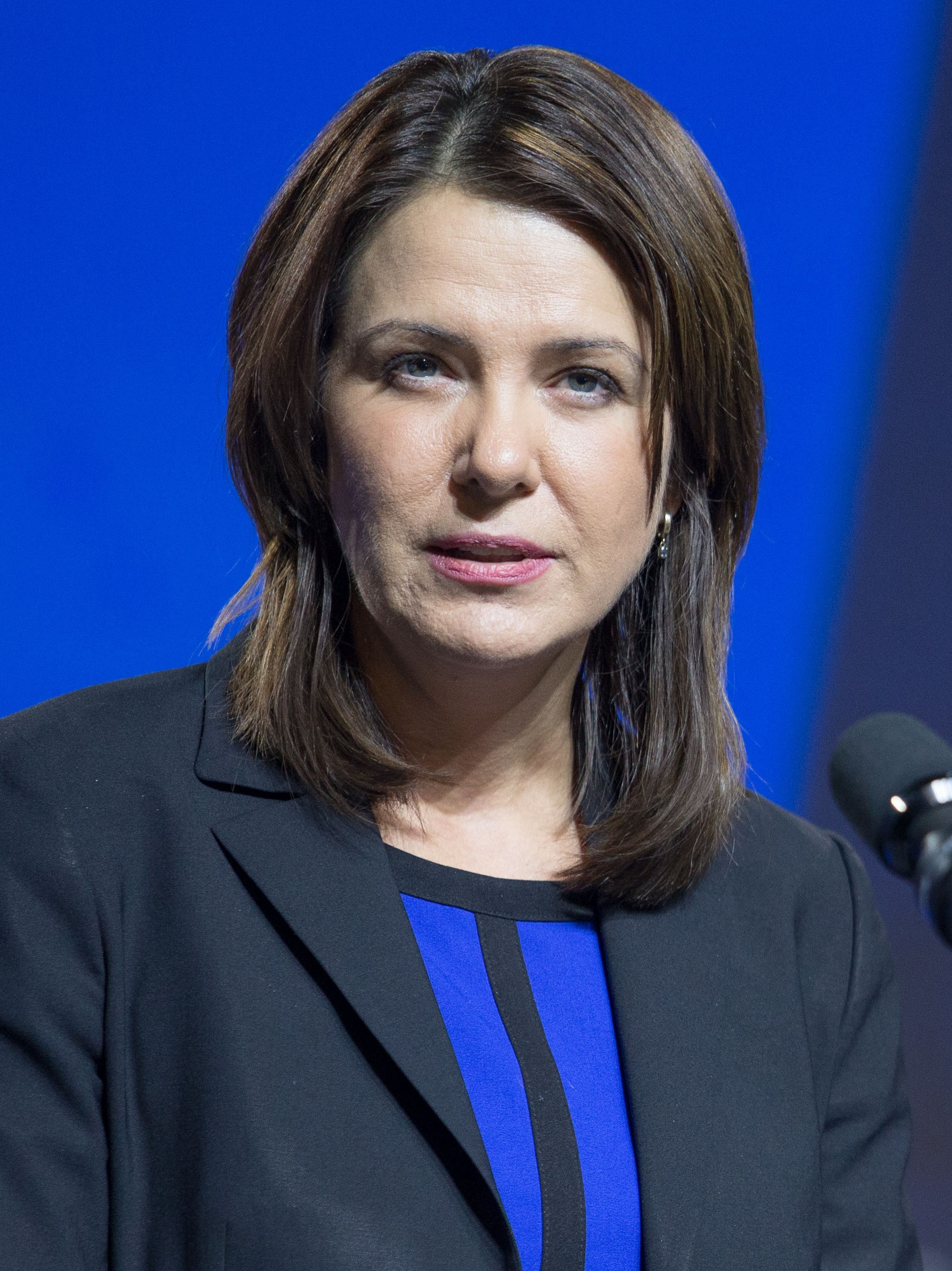
"Over the past few months, I've heard from Calgarians deeply worried about the changes to AISH and the Alberta Disability Assistance Program," he said. "People are scared about what this means for their future, their independence, and their ability to make ends meet."
Edmonton, Red Deer, Lethbridge, and Camrose have all passed motions asking the province to pause the July 1 launch. The province has not paused it.
What is actually changing on July 1
AISH currently pays up to $1,940 a month with no employment expectations beyond the income rules earn over $1,000 a month and your benefits reduce, but the program doesn't require you to look for work.
ADAP changes both of those things.The base ADAP rate is $1,740 a month. Current AISH recipients moving to ADAP will receive a $200 monthly transition benefit keeping them at $1,940 until December 31, 2027. After that the transition benefit ends. Anyone applying for the first time after July 1 starts at $1,740 with no bridge payment. Check out this calculator for more details https://www.culturealberta.com/tools/adap-calculator .
Consider what that looks like practically. A one-bedroom apartment in Calgary averages $1,400 a month in 2026. At $1,740, a single ADAP recipient with no other income has $340 left for food, medication, transportation, and everything else. At $1,940 with the transition benefit, that gap is $540 tight, but meaningfully different. When the transition benefit expires in December 2027, it snaps back to $340.
"For some, when the transition benefit expires, that's about $200 less every month," Farkas said. "That's real money groceries, medication, rent. And if you're already facing barriers to stable employment, that kind of hit lands hard."
The employment income threshold also shifts. Under AISH, benefits don't reduce until you earn over $1,000 a month. Under ADAP, reductions start at $700. Someone working part-time earning $800 a month would see benefit reductions under ADAP that they wouldn't face under AISH.
ADAP also comes with employment expectations. Recipients are assigned a case manager and required to build a personalized employment action plan. The province says if someone goes through the employment process and still cannot find work, benefits continue with no cutoff date.
The province's position is that ADAP was designed based on direct feedback from Albertans with disabilities who wanted better pathways to employment. It says ADAP clients can earn more than $45,000 a year in employment income and still receive some benefit the highest employment income limit of any comparable disability program in Canada, according to the government.
How people end up on ADAP instead of AISH
When you apply for disability support starting July 1, there is one combined application for both programs. An adjudicator reviews your medical information and decides: are you permanently unable to work, or are you severely disabled but assessed as having some capacity for employment?
If the adjudicator thinks you might qualify for AISH, your file goes to a Medical Review Panel of healthcare professionals who make the final call. Under current regulations, panel decisions are final. There is no further appeal to an independent body after the panel rules.
For current AISH recipients, the government made its own assessment. Some recipients who have been on AISH for years are being moved to ADAP not because their condition changed, but because the assessment criteria changed.
Inclusion Alberta noted that the ministry met with disability services stakeholders in January 2025, two weeks before announcing ADAP, giving people only a short time to ask questions too late, the organization said, to genuinely shape what the program became.
Why Calgary City Council formally raised concerns
Nathaniel Schmidt, Ward 8 brought the motion to council in April after hearing directly from constituents and advocates. The motion called on Mayor Farkas to write to the Government of Alberta requesting a pause on July 1 implementation until full program details, eligibility criteria, reassessment processes, appeal pathways, and a social and economic impact analysis are publicly available.

The motion passed. The letter was sent.
Farkas's public video this week makes the argument beyond the formal letter and frames it as both a human and a fiscal issue.
"Albertans with disabilities deserve policies that build opportunity and independence while preserving the stability people rely on," he said. "And even if you don't personally live with a disability, there's an economic case to be made for providing these upstream supports rather than responding with more expensive crisis supports."
When income support is cut and people can't maintain housing, downstream costs fall on cities emergency shelters, crisis services, emergency room visits. Calgary's municipal budget absorbs those costs directly. The province makes the policy. The city pays when it fails.
"I have serious concerns these changes will create more hardship for people already carrying significant challenges," Farkas said. "That's why Calgary is advocating for better. If this affects you or someone you care about, please keep speaking up."
Every major Alberta city is saying the same thing
Calgary is not alone. Edmonton, Red Deer, Lethbridge, and Camrose have all passed formal motions calling on the province to pause ADAP and undertake meaningful consultation before July 1. The requests are consistent across every municipality: stop, consult directly with people living with disabilities, and publish a social and economic impact analysis before proceeding.
The province has not changed its timeline.
What to do if this affects you
If you're on AISH and haven't received your letter yet, contact Alberta Supports at 1-877-644-9992. If you've received a letter placing you on ADAP and believe the determination is wrong, contact Alberta Supports immediately. The window to raise concerns before July 1 is closing.
For a full breakdown of how to apply, what ADAP pays, and how the employment income rules work, read Culture Alberta's complete ADAP guide at culturealberta.com/articles/alberta-adap-application-2026-how-to-apply-what-it-pays-and-who-qualifies.
For a full breakdown of current AISH payments and what's changing in July, read
https://www.culturealberta.com/tools/aish-calculator
https://www.culturealberta.com/tools/adap-calculator
https://www.culturealberta.com/articles/aish-payments-in-alberta-2026-how-much-you-get-when-it-arrives-and-whats-changing-in-july
https://www.culturealberta.com/articles/alberta-adap-application-2026-how-to-apply-what-it-pays-and-who-qualifies
Sources:
Mayor Jeromy Farkas — video statement to Calgarians, May 29, 2026
Calgary City Council — motion by Councillor Andre Schmidt, April 14, 2026
Government of Alberta — Alberta Disability Assistance Program (alberta.ca/alberta-disability-assistance-program)
Inclusion Alberta — Understanding proposed changes to AISH and ADAP (inclusionalberta.org)









Comments
Conversation