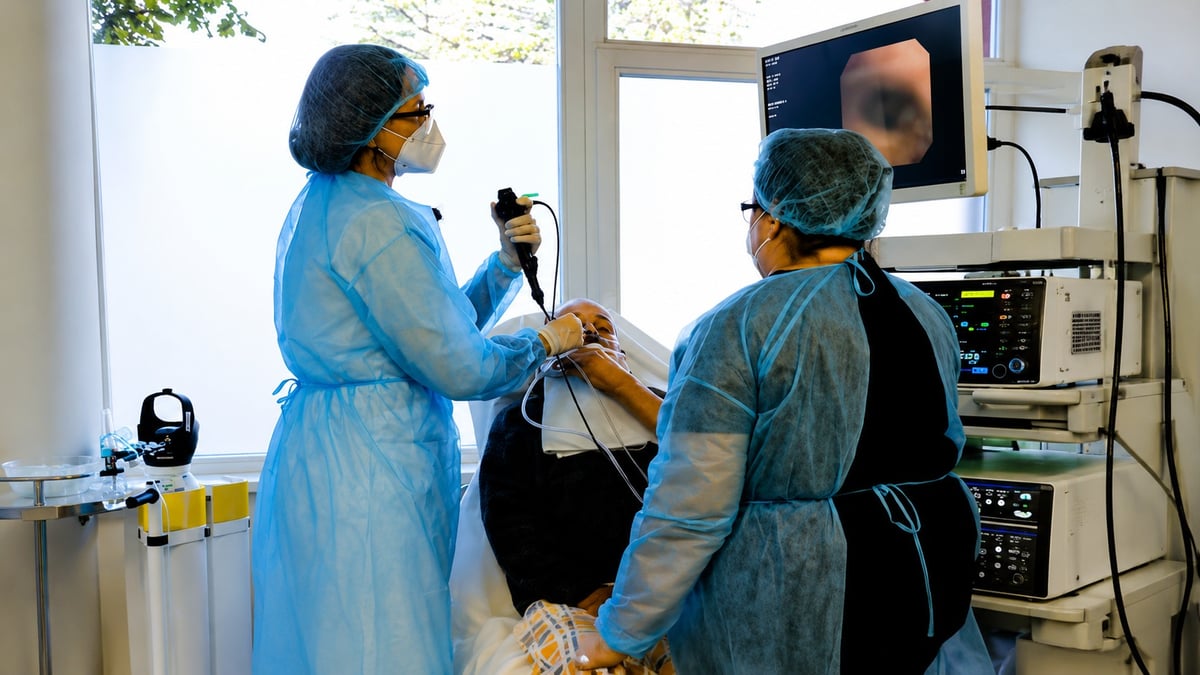
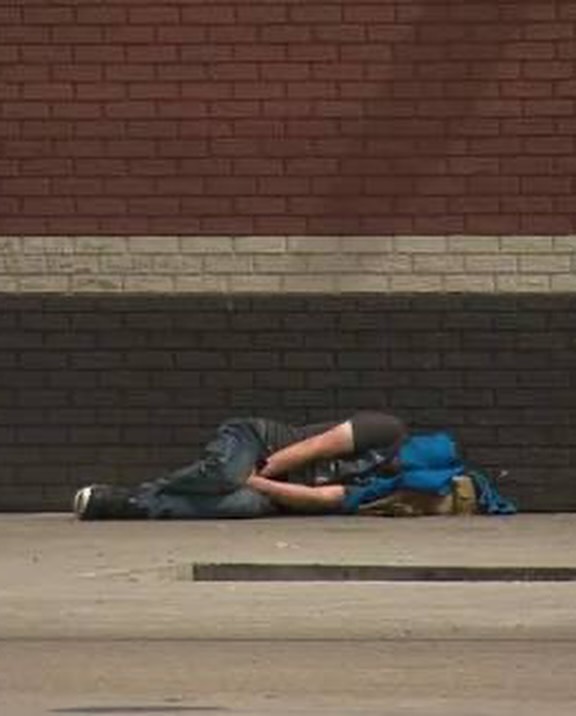
Two more people have been infected in the tuberculosis outbreak spreading among people experiencing homelessness in Edmonton's inner city, bringing the total to five.
Alberta government spokesperson Robyn O'Neill said in a statement to CBC News that while the outbreak remains active, the risk to the general public is low, and that there is no evidence it has spread beyond Edmonton's inner city or to other parts of Alberta.
Five cases, not twelve
The distinction matters and it's easy to get wrong.
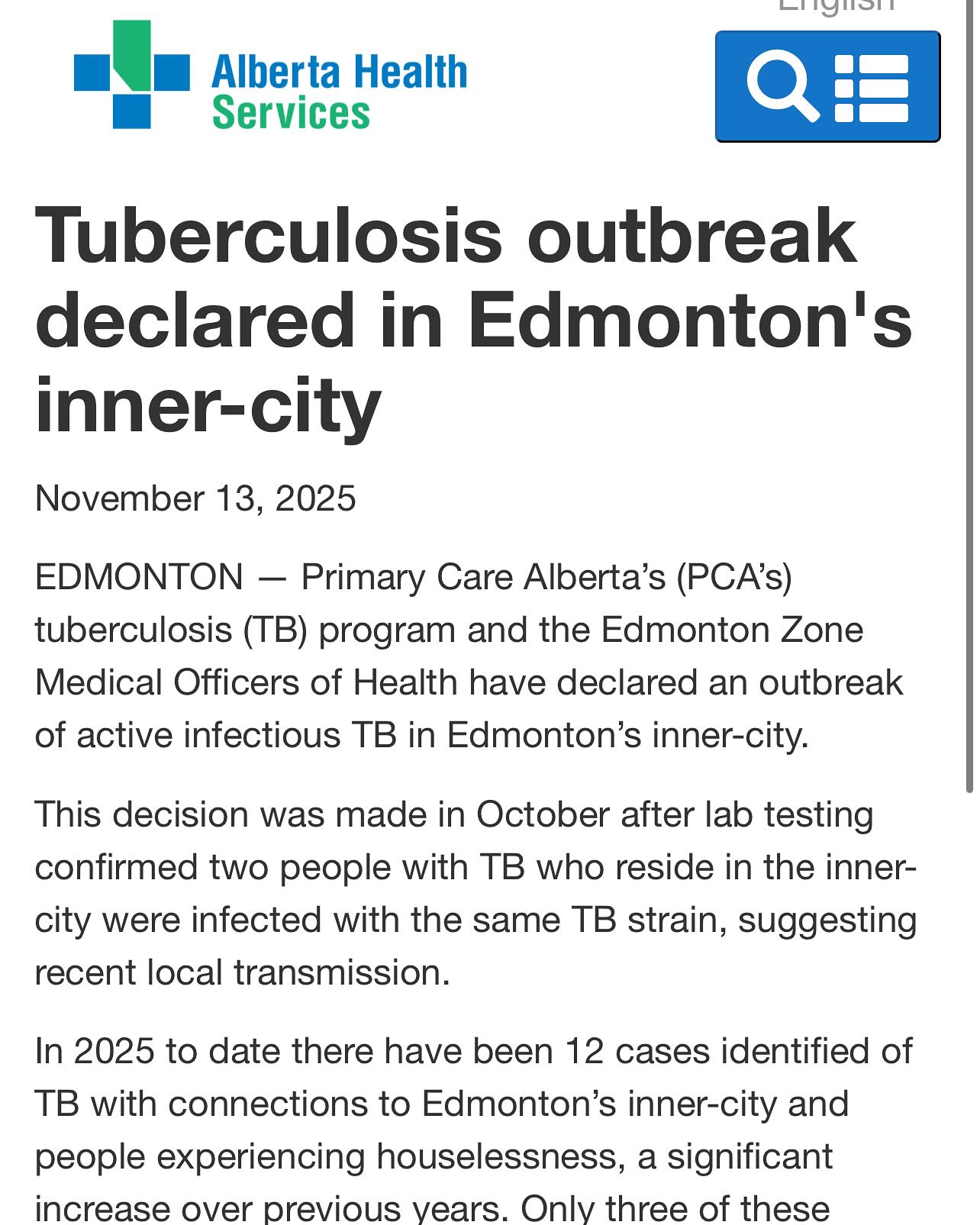
Twelve TB cases were identified in Edmonton's inner city throughout 2025. Only three of those were the same strain and were confirmed as part of the outbreak. The two new cases this year bring that count to five.
Alberta Health Services declared the outbreak in October 2025 after that small number of confirmed cases turned out to share a strain, which suggests local transmission is occurring within that population rather than separate infections arriving independently.
That's what an outbreak declaration is built on. Not the raw case count, but the genetic evidence that the same bacteria is moving from person to person in one place.
What health officials are doing
Primary Care Alberta's TB program, working with Edmonton Zone Medical Officers of Health, is connecting with shelters, inner-city agencies and local health care providers to coordinate contact tracing and case finding.
Contact tracing is the work of identifying everyone a confirmed case has been in close contact with. O'Neill said all individuals identified as having been exposed will be notified and required to undergo additional screening. That extends to workers at affected organizations, not only clients.
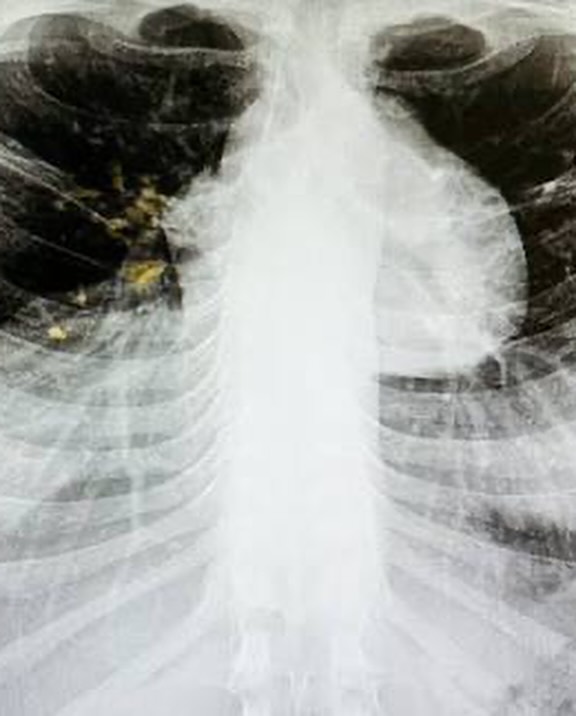
Case finding runs alongside it, and health officials describe it as equally important. Providers are being told that in patients experiencing houselessness who present with a cough lasting more than two weeks, active TB should be tested for with a chest radiograph and three sputum samples.
Why it spreads here
Stan Houston, an infectious disease specialist at the University of Alberta, said the spread is driven by poor general health, lack of access to primary care, overcrowded shelters and poor ventilation. People living on the streets are often managing other medical conditions that make them more vulnerable to infection.
Living in communal spaces, including shelters, is itself a recognized risk factor for TB.
"I think this is a concerning and disturbing reflection on health conditions in Edmonton," Houston said. "TB is historically the poster child of poverty and vulnerable populations."
He described the outbreak as one of a series of illnesses hitting Edmonton's unhoused community, alongside shigella.
Treatment works. Finishing it is the problem.
TB can be cured with antibiotics, but treatment runs several months.
Beth Klingenberg, health services director for Hope Mission in Edmonton, said that completing that course is the central difficulty when a patient has nowhere stable to live.
"Once this person is not consistently in the shelter or not housed or not in a place where we can find them, the likelihood of them following that treatment is so much harder," she said.
She also described the contact tracing burden. People in this community spend their days moving between agencies, appointments and public spaces, and each person they encounter becomes a close contact who has to be investigated.
Houston made the same point about the limits of a medical response. "This is fundamentally not a problem that has a technological solution," he said. "It's a problem that has a social solution. And until we address some of those issues better, TB is not likely to go away."
What TB is and what to watch for
Tuberculosis is a bacterial infection that usually affects the lungs but can affect other parts of the body. It spreads through the air when an infected person coughs, sneezes or spits.
The disease can lie dormant for months or years before reactivating and becoming contagious again, which is part of why outbreaks are difficult to close out.
The symptom health officials are watching for is a cough lasting longer than two weeks. Others include fever, night sweats, unexplained weight loss and coughing up blood.
If you have a cough that has lasted more than two weeks, see a doctor. TB testing and treatment in Alberta are provided free of charge.
The Edmonton TB Clinic operates through the provincial TB program at the Aberhart Centre near the University of Alberta Hospital. A positive TB skin test may qualify a person for referral. TB skin testing is available at public health centres across the province, though the skin test is not used to diagnose active TB.
Health Link is available at 811.
On stigma
Klingenberg said the outbreak should prompt support rather than fear.
"I think of course there's a lot of fear and anxiety around this, but this is not something that they asked for," she said. "I would love the broader community to recognize that it's not just another thing to be afraid of from this community. It's something for us to work together and help with in whatever way."
Houston put the same point differently. The general public in Edmonton is not at immediate risk, he said, but it is shocking to be seeing a 19th century disease among fellow Edmontonians.
Sources
Tuberculosis Information, Edmonton Zone Medical Officers of Health — Alberta Health Services
Tuberculosis Program, Aberhart Centre — Alberta Health Services
Alberta government statement, August 2026
Case counts and interviews with Stan Houston and Beth Klingenberg as reported by CBC News.








Comments
Conversation