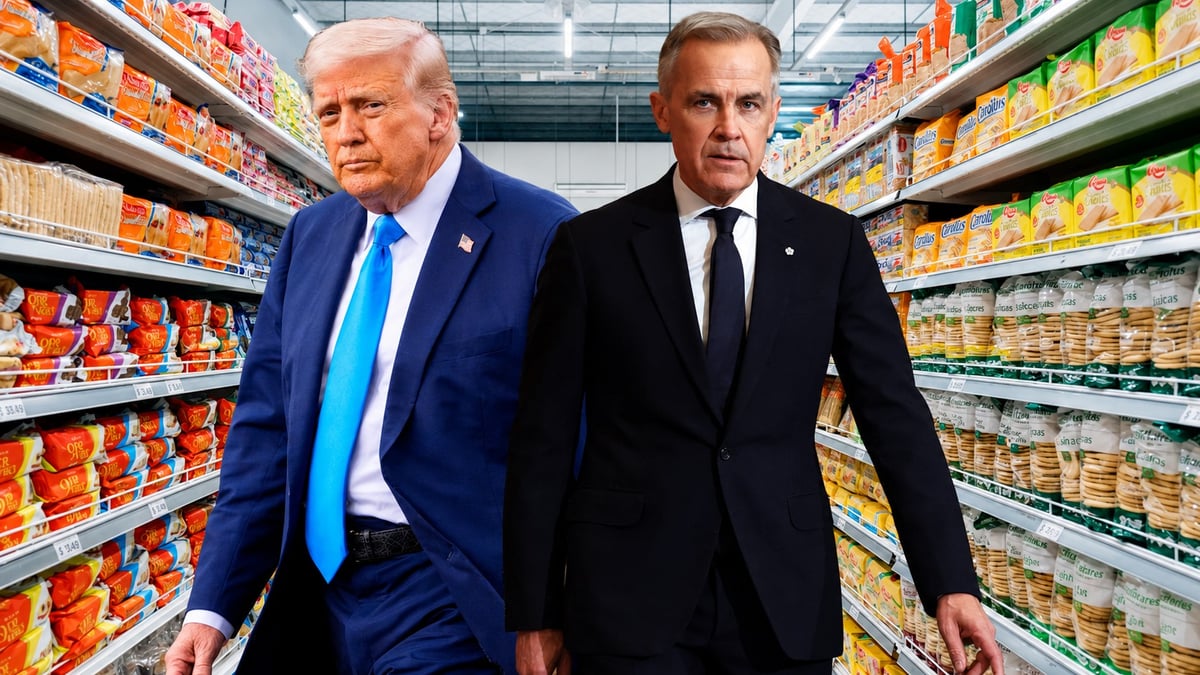
Canada's counter-tariffs take effect at 12:01 a.m. on September 8.
The Department of Finance has published the full list: 893 separate tariff items covering $27.6 billion in American imports, organized by Harmonized System classification code.
Two things on that list matter more in Alberta than almost anywhere else.
Farm equipment, three weeks into harvest
Agricultural machinery is tariffed at 15 to 25 per cent depending on the item. Farm mowers and harvesting machinery fall in that range. Forklifts and industrial lifting equipment are at 15 per cent. Hand tools including pliers, wrenches and clamps are at 25 per cent.
September is harvest.
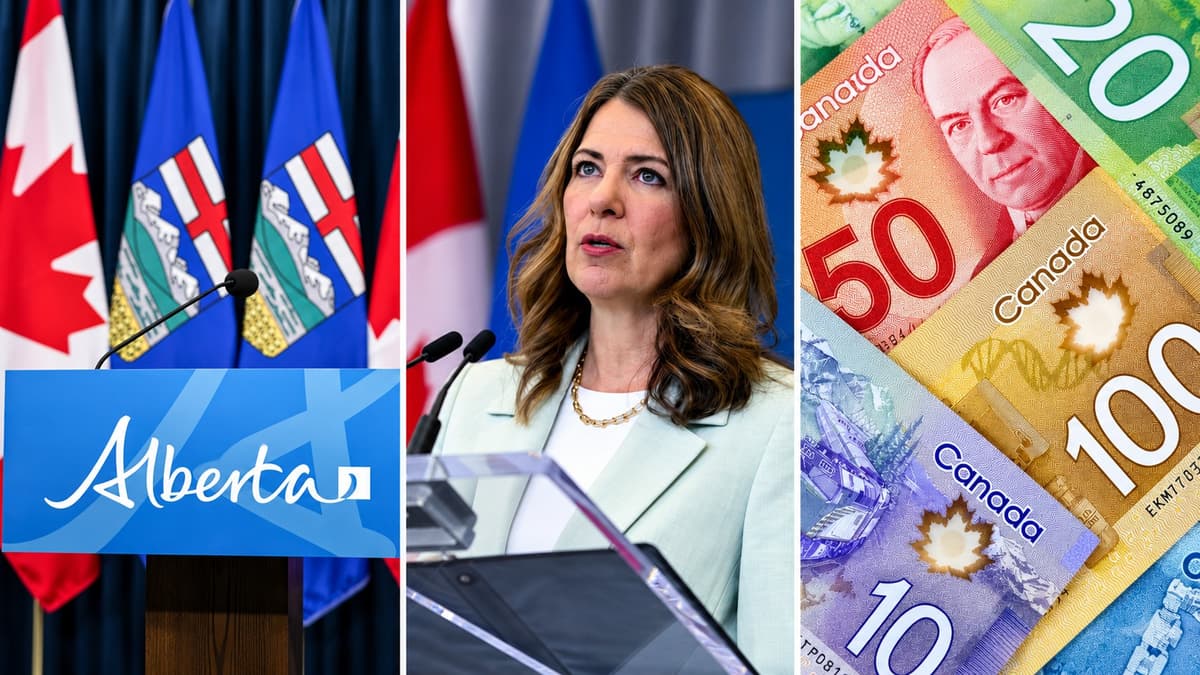
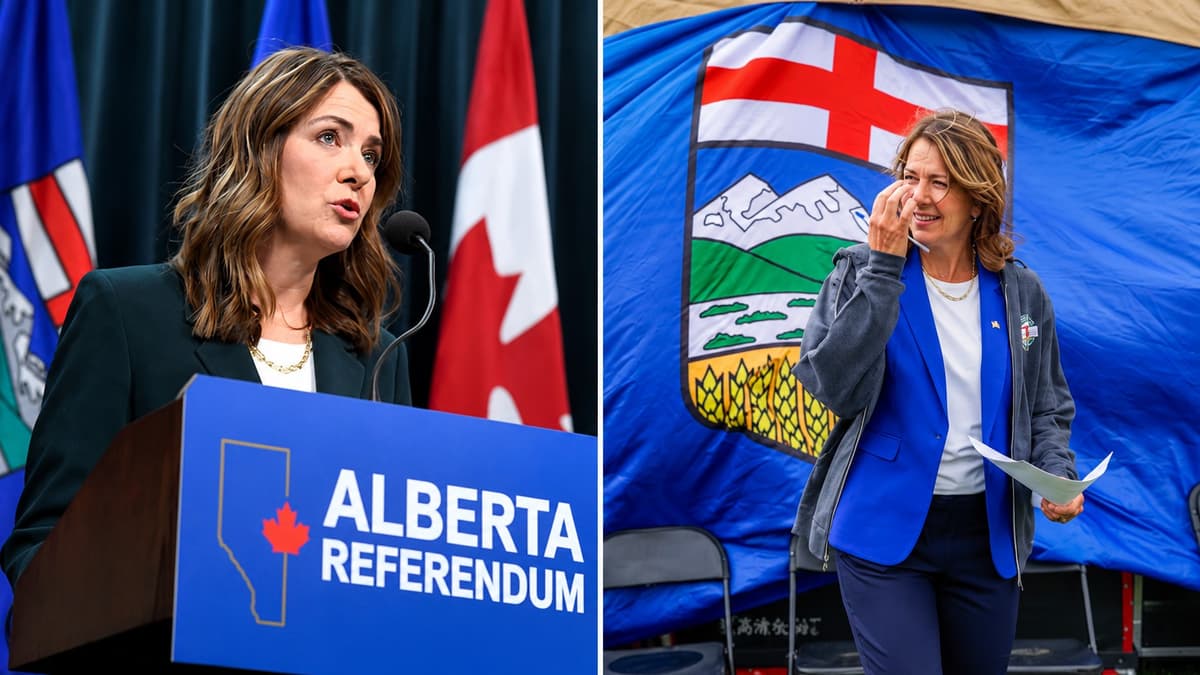
Premier Danielle Smith has raised this repeatedly since the escalation began, and it's the example she keeps returning to. "We shouldn't be cheering if our farmers have to pay 50 per cent more for all the equipment that they need to produce our food," she said last weekend. "That's not a success for us."
Smith has been publicly critical of the counter-tariffs and has urged Ottawa to use the days before September 8 to restart negotiations.
Steel at 50 per cent, in a province full of construction
Steel and aluminum take the heaviest rates, with many items jumping from 25 to 50 per cent to match what the United States is charging on the same materials.
Fifty per cent applies to raw steel ingots, bars and wire, to steel sheets, coils and structural beams, to unwrought aluminum and aluminum wire, and to aluminum foil, tubes and structural components.
Kitchenware, tools, screws, nails and fencing run 25 to 50 per cent.
Alberta has a lot of steel going into the ground right now. Scotia Place in Calgary, the Terwillegar Drive expansion in Edmonton, Northwestern Polytechnic's new trades centre in Grande Prairie, Coaldale Crossing in the south.
One of those has already dealt with this. Scotia Place's project lead told council earlier this year that the arena had sourced all materials from Canada and Europe to avoid tariff exposure, including an $80-million steel contract with Walters Group that secured material in Europe and fabricates it in Ontario.
That's the workaround, and it's available to a billion-dollar municipal project with procurement staff. It's less available to a contractor buying structural steel for a strip mall.

The full list by category
Steel and aluminum
Raw steel ingots, bars and wire, 50 per cent. Steel sheets, coils and structural beams, 50 per cent. Kitchenware, tools, screws, nails and fencing, 25 to 50 per cent. Unwrought aluminum and aluminum wire, 50 per cent. Aluminum foil, tubes and structural components, 50 per cent.
Dairy
Milk and cream, powdered or concentrated, 50 per cent. Whey and whey protein concentrate, 50 per cent. Cheese and curd including cheddar, mozzarella, brie and parmesan, 25 per cent. Natural honey, 50 per cent.
Household appliances
Washing machines and dryers, 25 per cent. Dishwashers and parts, 25 per cent. Refrigerators and freezers, 25 per cent. Air conditioners, 15 per cent. Heat pumps, 15 per cent.
Pulp and paper
Toilet paper and facial tissue, 25 per cent. Paper towels and napkins, 50 per cent. Envelopes, 50 per cent. Kraft paper and paperboard, 25 to 50 per cent. Chemical wood pulp, 50 per cent.
Plastics
Plastic bags and packaging, 50 per cent. Plastic tableware and kitchenware, 50 per cent. Vinyl flooring and wall coverings, 50 per cent.
Electronics
Smartphones, 50 per cent. Network switching and routing equipment, 50 per cent. TV and monitor components, 25 to 50 per cent. Insulated electrical wire and cable, 25 per cent.
Agricultural and other equipment
Farm mowers and harvesting machinery, 15 to 25 per cent. Forklifts and industrial lifting equipment, 15 per cent. Hand tools, 25 per cent.
Existing counter-tariffs on American autos remain in place and are separate from this list.
There's no energy on it
Neither country has put energy on a tariff list in this round.
That protects Alberta's largest export sector and does nothing for importers here, who face the same rates as everyone else on everything above.
Whether you'll actually pay more
These are import tariffs, applied at the border rather than at the till.
The cost typically works its way to consumers as businesses adjust pricing, which happens over weeks and months rather than overnight. Retailers with existing inventory will sell it at current prices first.
Goods already in transit to Canada on September 8 are exempt.
The categories where an Alberta household is most likely to notice: appliances, paper products, and anything electronic. If you were planning to replace a washer or a fridge, buying before September 8 avoids the tariff on that unit, though a Canadian or non-American brand avoids it entirely.
Why this is happening
According to the Department of Finance, Canada spent months negotiating with the United States before concluding the concessions being sought weren't fair or economically sound and would have hurt Canadian workers and businesses.
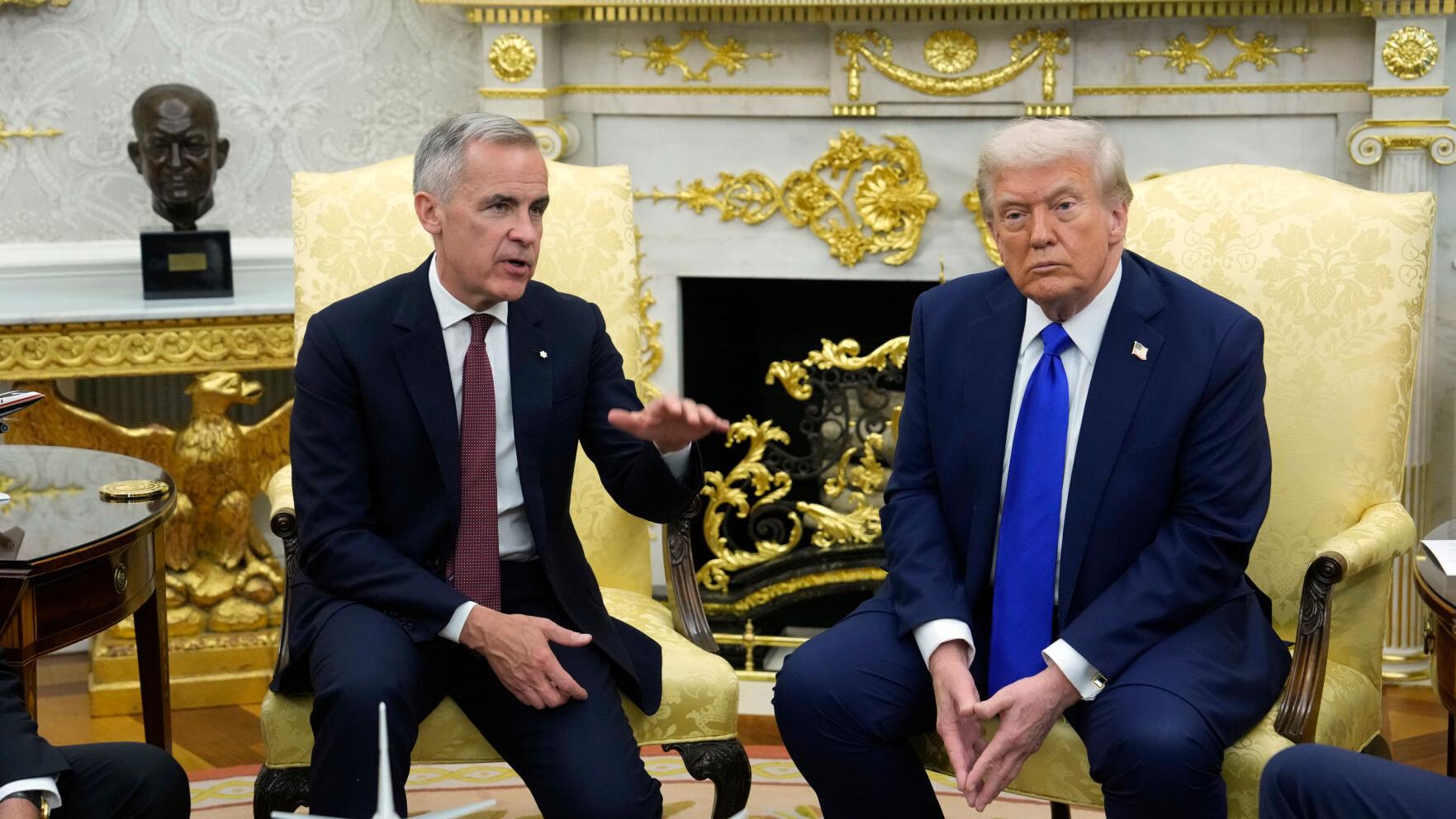
Talks were suspended on Friday, August 21, after Canada accused the United States of adding last-minute demands to an agreement both sides had already reached. Prime Minister Mark Carney said those included provisions affecting Quebec's French language protections. President Donald Trump has denied that.
The American measures came first, imposing 50 per cent tariffs on roughly $28 billion in Canadian goods, including alcohol, dairy, honey, cement and hockey sticks.
What Alberta and Ottawa are offering
Ottawa paired the counter-tariffs with a $7.5-billion support package, including $3.5 billion in temporary employment insurance changes, $1.5 billion through the Regional Tariff Response Initiative with the non-repayable contribution cap raised from $1 million to $3 million, $2 billion for the Canada Strong Diversification Fund, and $500 million in Business Development Bank of Canada liquidity.
Alberta has not announced provincial measures. Finance Minister Jason Nixon said the province will work with small businesses and industry to determine whether they're needed, alongside Thursday's forecast of a $2-billion surplus.
Canada's tariff remission framework remains available for exceptional relief requests.
How to check a specific product
The full list runs to 893 tariff items organized by Harmonized System code, and it's published on the Department of Finance website.
If you import commercially, that's where to verify a rate rather than relying on any summary, including this one. HS codes are specific and a close-sounding category isn't the same as the right line.
Sources
Department of Finance Canada, counter-tariff order and product list, August 25, 2026
Premier Danielle Smith, public remarks, August 22 and 25, 2026
Alberta Finance, first-quarter fiscal update, August 27, 2026



Comments
Conversation