
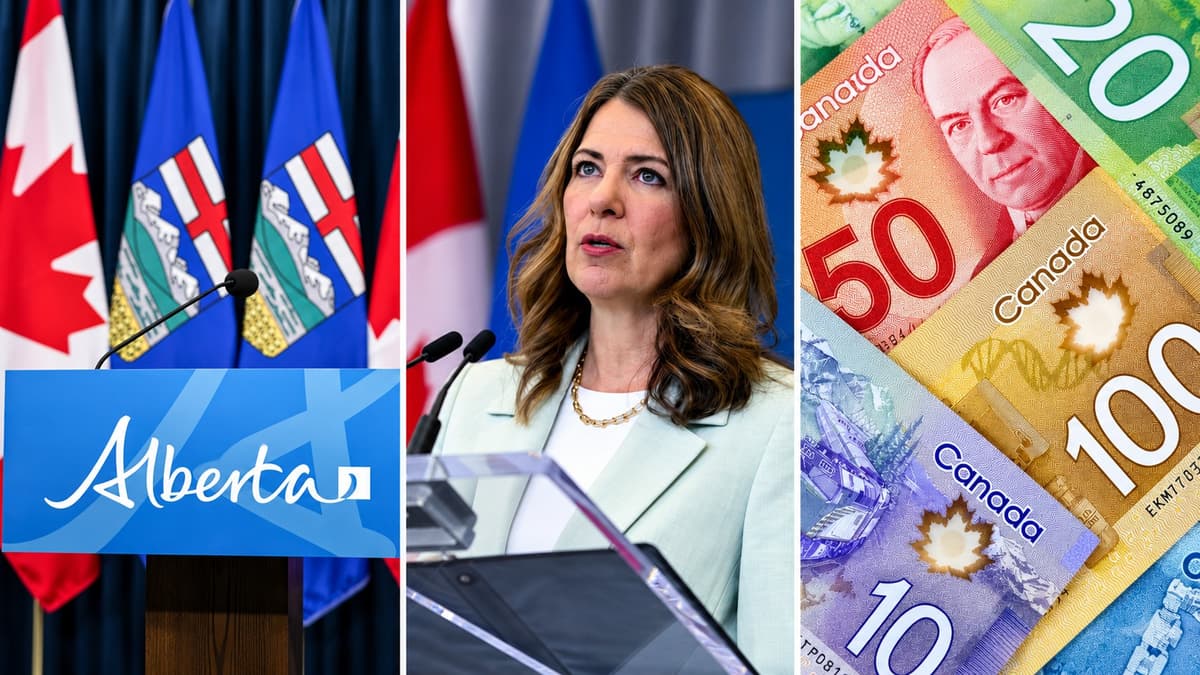
Starting this Monday, Albertans will be able to legally bet on dozens of the biggest online gambling brands in North America. The province is framing it as a way to drag a huge underground market into the open and tax it.
Alberta opens its regulated online gambling market on July 13, 2026, becoming only the second Canadian province after Ontario to let private operators run legal online casinos and sportsbooks. Until now the only legal option was PlayAlberta, the government-run site. Everything else Albertans were betting on happened offshore, on unregulated sites that paid the province nothing and followed none of its rules. The government estimates that grey market accounts for about 70 percent of all online gambling in Alberta.
What changes on Monday
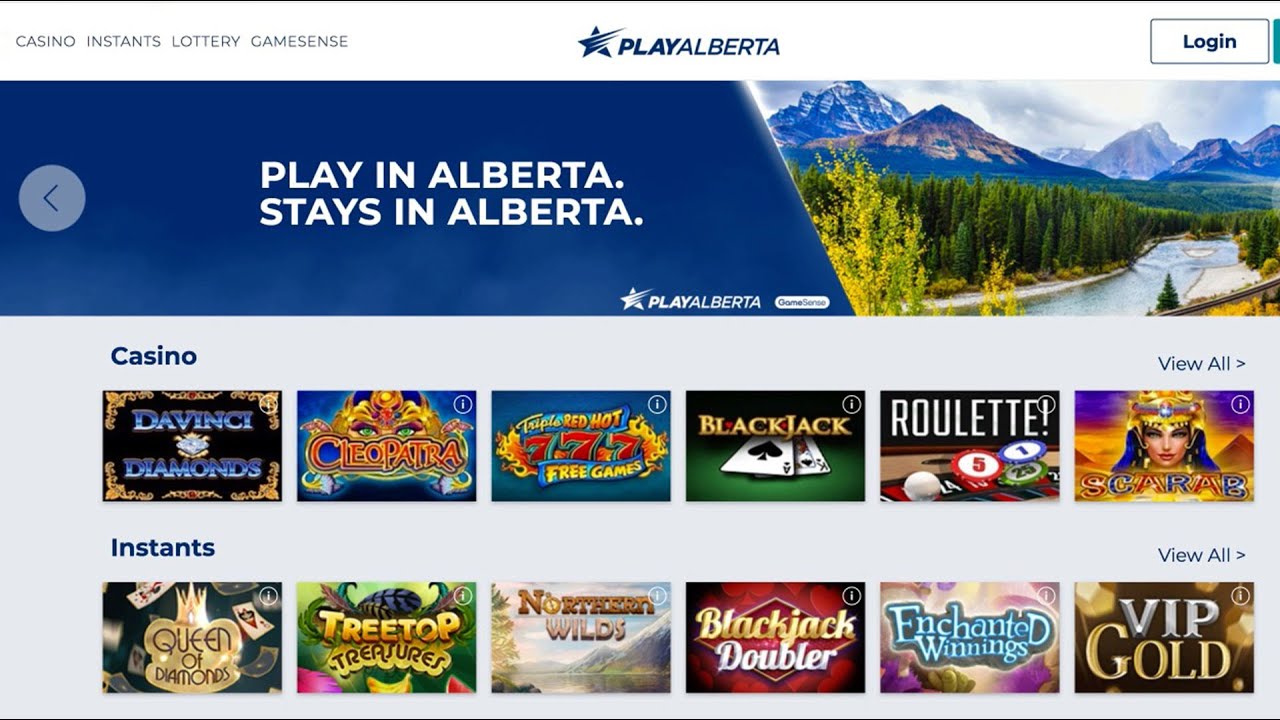
Instead of one government platform, Albertans will have dozens of licensed options, and every one of them now answers to Alberta regulators. The approved list runs through the biggest names in the business, FanDuel, DraftKings, BetMGM, BetRivers, Caesars, bet365, and theScore Bet, alongside PlayAlberta. Not every brand will be switched on at midnight. Some are still clearing technical requirements, and operators can keep entering through the rest of 2026, but the major players are expected from day one.
If you already bet on an offshore site, the difference you'll feel is protection. A licensed operator has to meet Alberta's standards on how it handles your money, pays out, and settles disputes. Grey-market sites answered to none of that, which is how players ended up with frozen withdrawals and disputed charges and nobody to call.
Where the money goes
The province will take 20 percent of what operators keep after paying out winnings. The operators keep the other 80 percent. Two slices come out of Alberta's share: 2 percent of all revenue is guaranteed to the province's First Nations, and 1 percent funds gambling research and addiction treatment. Operators also pay a $50,000 application fee and $150,000 a year for every brand they run.
The prize is big. PlayAlberta alone pulled in $269 million in 2025, and that was with most gamblers playing elsewhere. Analysts cited by the industry think a mature Alberta market could throw off more than $700 million a year in gross gaming revenue. That's why more than 50 operators lined up to get in. The pitch operators keep making about Alberta, on earnings calls and in trade coverage, is that it has the youngest adult population in Canada, some of the highest household incomes, and heavy per-capita gambling spending. In plain terms, they see a lot of money here.
What Ontario tells us about where this goes
Alberta didn't invent this. It copied Ontario, which opened the first competitive online gambling market in Canada in April 2022, and Ontario's numbers are the clearest preview of Alberta's future.
Ontario launched with 12 operators and now has around 50. In its most recent reported year, according to iGaming Ontario's annual report, Ontarians wagered more than $82 billion online, producing about $2.9 billion in operator revenue and hundreds of millions in provincial tax, and the market has climbed every year since. The number Alberta cares about most is channelization, the share of gamblers using legal sites. Ontario reports that by early 2025 roughly 84 percent of its online gamblers said they were on a regulated site, up sharply from launch. That migration, offshore to licensed, is the whole point of the exercise.
There's a catch in Ontario's success worth flagging. Online casino games, slots and table games, not sports betting, make up the overwhelming majority of the money, around three-quarters of revenue. Sports betting gets the ads and the athlete endorsements. The house games are where the spending actually piles up, and where problem gambling tends to hit hardest. The province is betting most people won't notice that trade-off.
What "grey market" actually means
For years, Albertans could open an account with an offshore gambling site and place real-money bets. That wasn't quite illegal for the player, the sites operated in a legal grey zone, but it happened outside Alberta's reach. The province couldn't tax it, couldn't enforce rules, and when a site refused to pay out, it couldn't step in. Roughly 70 percent of online gambling in Alberta runs through those sites. Monday is the province's move to pull that hidden activity into a system it can actually see.
The new rules: age, ads, and athletes
The legal age to gamble online is 18, a year younger than Ontario's 19. Betting on political elections is banned outright. And the advertising is getting reined in, especially the celebrity pitches that have carpeted sports broadcasts. Athletes, active or retired, can no longer promote specific bets or games or tell anyone what to wager on. When they appear in a gambling ad at all, it has to be about responsible gaming.
"They're not allowed to suggest to somebody what they should be betting on, or that they should be playing certain casino games," said Gaming News Canada editor-in-chief Steve McAllister. He also warned Albertans to brace for a flood of gambling ads as dozens of operators fight for attention at once, the same thing Ontario saw when its market opened.
Where this gets risky
Easier access to legal gambling is the obvious danger, and Alberta's main answer is a centralized self-exclusion tool. On the old offshore sites, blocking yourself from one did nothing about the next. This one lets a person shut themselves out of every regulated platform in the province at once, and it can extend to land-based casinos and racing centres too. Every licensed operator has to build in access to it, keep self-excluded users out, and refund certain wagers if someone enrolls before an event begins.
The 1 percent of revenue routed to problem-gambling research and treatment is the other lever. McAllister argues the province now has both the chance and the responsibility to show that money going toward mental-health and addiction support. Whether it does is a fair thing to hold them to.
If gambling is becoming a problem for you or someone you know, Alberta offers free, confidential help through 211 Alberta and through Alberta Health Services' addiction and mental-health services.
Why now
Albertans are already betting on sites the province can't touch, so the government's argument is simple: bring that money into a system with rules, protections, and tax attached. The market runs on a two-body structure lifted almost directly from Ontario, the Alberta Gaming, Liquor and Cannabis Commission (AGLC) regulates it, while a new agency, the Alberta iGaming Corporation, manages the commercial side.
Critics don't buy that it's only about harm reduction. Legitimizing and heavily advertising online gambling to a young, well-off population carries social costs no self-exclusion tool fully erases, and a government collecting 20 percent of the take has its own reason to want the market bigger, not smaller.
That tension doesn't go away on launch day. The market opens Monday. What happens after, how many people actually move to legal sites, how much the province collects, and whether problem gambling climbs, is what will decide if this was worth doing.
Sources:
Government of Alberta / Service Alberta and Red Tape Reduction, iGaming Alberta Act (Bill 48)
Alberta Gaming, Liquor and Cannabis Commission (AGLC), operator registration and market rules
Alberta iGaming Corporation (AiGC), market management framework
iGaming Ontario, 2024–25 annual report (operator counts, revenue, channelization)
Steve McAllister, editor-in-chief, Gaming News Canada
PlayAlberta 2025 revenue and Alberta market projections



Comments
Conversation