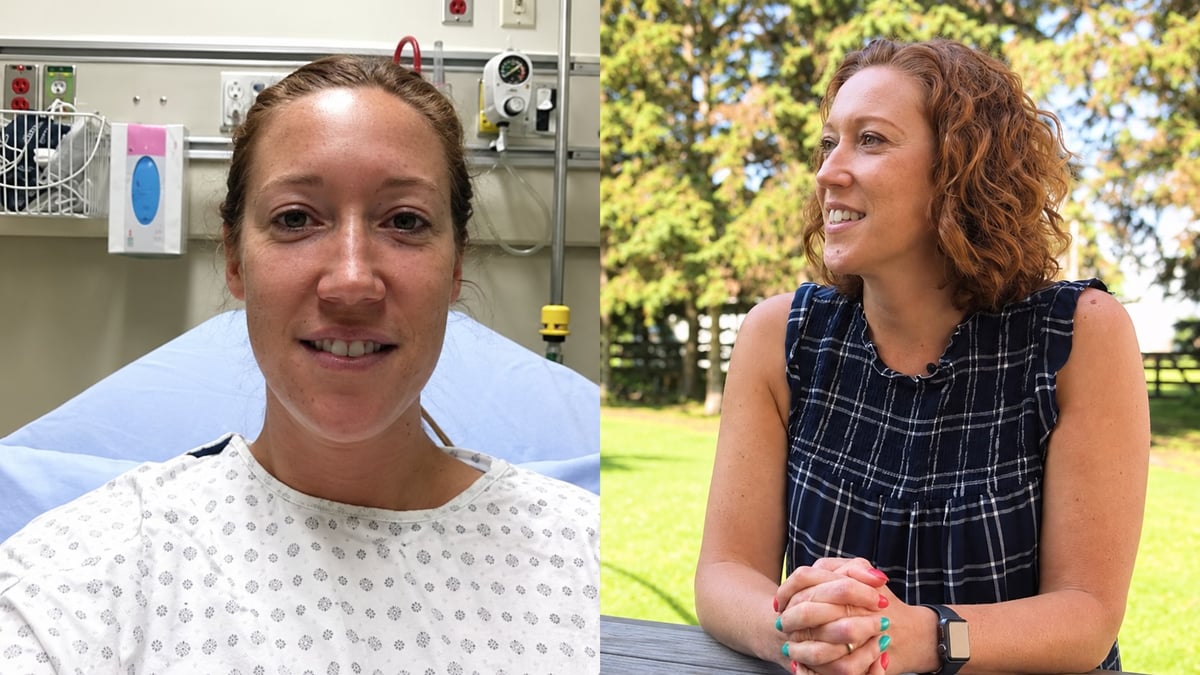
Meghan Rozema has given away part of her liver and one of her kidneys.
Both donations were anonymous. She has never met either recipient.
The Sherwood Park mother of three is the first person in Alberta to become a double living organ donor and one of only a handful in Canada.
It started with cookies and soup
When Rozema was a child, her parents regularly donated blood. She would tag along for the cookies and soup served afterward.
She started donating blood herself when she was old enough, although the habit eventually faded as life became busier.
Then, in 2018, she saw a Facebook post from an Alberta man looking for a kidney donor.
It started a conversation with her family about something she had never seriously considered: donating an organ while still alive.
"The assumption is you would be a deceased donor, but there is opportunity to donate while we're still living," Rozema told Global News.
She called about a kidney. The liver had to come first
Rozema contacted Alberta's living donation program in 2020 intending to donate a kidney.
The person who answered asked which organ she wanted to donate.
Rozema had assumed a kidney was her only option. She learned that a healthy living donor can also give part of their liver, but if she wanted to donate both organs, the liver surgery had to happen first.
She discussed it with her husband and children before deciding to proceed.
Rozema donated part of her liver in 2021. She donated a kidney in 2023.
The kidney was originally intended for the mother of a family friend. The woman died before Rozema was able to donate, so she gave the kidney anonymously to someone else in her honour.
What donating twice actually took
Rozema's assessment for the liver donation took about three months.
It included laboratory work, MRI and CT scans, along with meetings with a social worker and psychiatrist. The process was designed to confirm that she was physically healthy, understood the decision and had enough support at home to recover.
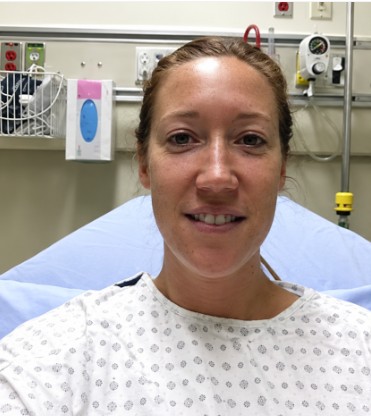
The liver operation required a six-day stay at the University of Alberta Hospital.
Rozema experienced nausea after the surgery and initially found it difficult to eat, but she was still able to walk around the hospital unit. Within three months she was rebuilding her stamina through walking and exercising with light weights. By then, her liver had nearly returned to its original size.
The kidney operation two years later was an easier recovery. She left the hospital after two days and was exercising lightly again within two weeks.
Rozema now coaches volleyball and says she sometimes forgets she has undergone two organ-donation surgeries.
"For me, my life went on," she told Global News. "I was able to exercise again. I was able to enjoy my kids' activities."
Give Life Alberta calls the decision extremely rare
Rozema tends to minimize what she did.
Give Life Alberta's living donor coordinators do not.
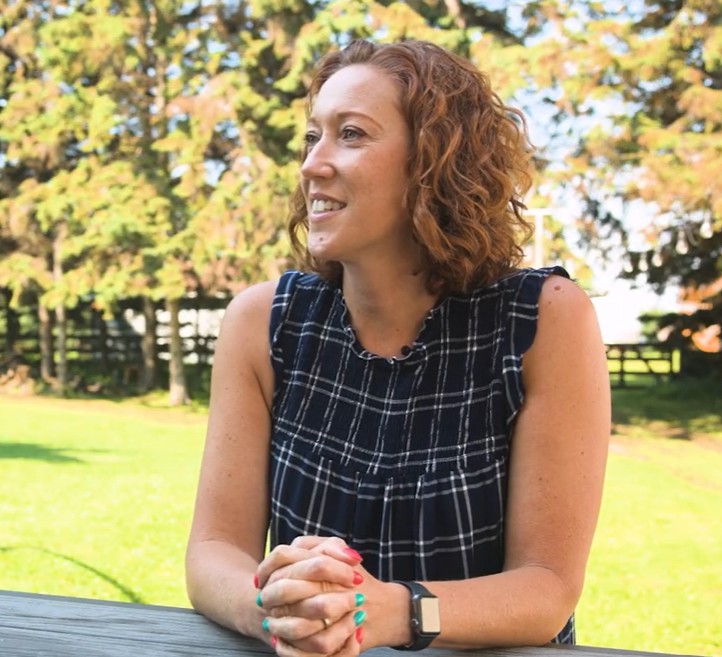
Cassandra Garneau called her a hero, while coordinator Michelle Skogstad described two non-directed donations from the same person as "extremely rare and special."
Rozema's husband, Dean, said his wife has always been someone who notices a need and quietly tries to help without seeking attention.
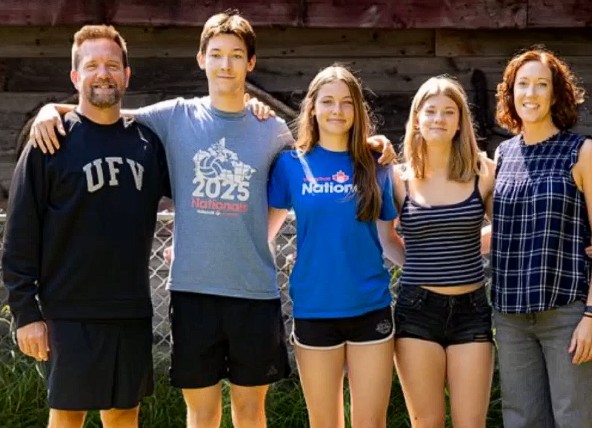
Their three children were 11, nine and nine when she donated part of her liver.
More than 500 Albertans are waiting
More than 500 people in Alberta are waiting for a life-saving organ transplant, according to Give Life Alberta and Alberta Health Services.
That figure applies to Alberta, not all of Canada.
Recent information from Give Life Alberta indicates that more than 300 Albertans are waiting for a kidney.
Doctors cannot meet the demand through deceased donation alone. Living donors provide another path, particularly for patients who need a kidney or liver transplant.
A living donor can give one kidney or part of their liver and continue living a healthy life after recovery.
How living donation works in Alberta
Living Donor Services operates through the University of Alberta Hospital in Edmonton and Foothills Medical Centre in Calgary.
Living organ donors can give one kidney or part of their liver. Living tissue donation can include surgical bone and amniotic membrane.
Donors do not have to be related to the recipient. They can donate to a family member or friend, or anonymously to someone on the transplant waiting list.
Adults 18 and older can contact the program directly. A doctor's referral is not required to begin the process.
Potential donors receive information before undergoing medical and psychological assessments. Coming forward does not guarantee that someone will be approved to donate.
The donor does not pay the medical costs associated with the donation.
If someone wants to donate a kidney to a particular person but is not a match, the pair may be able to participate in the Kidney Paired Donation Program. The national program matches incompatible donor-recipient pairs with other pairs, allowing each recipient to receive a compatible kidney.
Living donation is different from registering after death
Alberta's organ and tissue donor registry records a person's wishes for donation after death.
It does not enrol someone as a living donor.
People interested in giving a kidney or part of their liver while alive must contact a living donor program in Edmonton or Calgary and complete a separate assessment.
Registering for donation after death is still important. Only a small percentage of people die in circumstances that allow their organs to be donated, which is one reason the need continues to exceed the supply.
Not everyone who volunteers will qualify
Potential donors should not assume they are ineligible because of their age or medical history. Each person is assessed individually.
However, living donation is major surgery, and donor safety comes first.
The organ being donated must be healthy. Conditions including diabetes, uncontrolled high blood pressure and cancer can prevent someone from donating.
People who are pregnant or may become pregnant in the future should discuss living donation and its possible effects with their doctor and the transplant team.
The program can also decline a donation if the medical or psychological assessment indicates that proceeding would not be safe.
Why she is telling her story now
Rozema usually avoids public attention.
She shared her experience during Living Donation Week, which runs from September 13 to 19, because she wants more people to know the option exists.
She describes the surgeries as brief interruptions compared with what they gave her recipients.
"It is a short blip in your life that may be inconvenient for a short time," she said. "But the impact you have on someone else's life is just incredible."
How to learn more
Information about living organ and tissue donation is available through Give Life Alberta.
People interested in living donation can contact the program at the University of Alberta Hospital or Foothills Medical Centre. Self-referral is accepted.
The Alberta Organ and Tissue Donation Registry records donation wishes after death.
Sources
Alberta Health Services: Rare double living donor saves two strangers
Give Life Alberta
Living Donor Services
Alberta Organ and Tissue Donation Registry
Global News: Alberta woman saves two strangers with living organ donations






Comments
Conversation