
The average Alberta worker earned $1,404.59 a week in August 2026, according to Statistics Canada.
Stretched over a year, that's about $73,039, the highest of any province in Canada.
But it's a close race, and the lead comes with a catch.
The short version
Average weekly pay in Alberta: $1,404.59
Over a year: about $73,039
Canadian average: about $70,437, so Alberta is $2,602 higher
Alberta's lead over Ontario: $8.99 a week, or about $467 a year
Pay growth over the past year: 3.5%
Alberta inflation over the same period: 3.8%
These figures come from Statistics Canada's payroll report, released Oct. 29, covering August.
How every province and territory compares
Annual figures are August's weekly average multiplied by 52.
| Rank | Province or territory | Weekly | Yearly | Change from 2025 |
|---|---|---|---|---|
| 1 | Nunavut | $1,889.22 | $98,239 | +3.7% |
| 2 | Northwest Territories | $1,778.73 | $92,494 | +1.1% |
| 3 | Yukon | $1,538.93 | $80,024 | +2.8% |
| 4 | Alberta | $1,404.59 | $73,039 | +3.5% |
| 5 | Ontario | $1,395.60 | $72,571 | +3.9% |
| 6 | British Columbia | $1,369.91 | $71,235 | +5.2% |
| Canada | $1,354.55 | $70,437 | +3.7% | |
| 7 | Newfoundland and Labrador | $1,320.79 | $68,681 | +2.3% |
| 8 | Saskatchewan | $1,308.55 | $68,045 | +2.9% |
| 9 | Quebec | $1,293.22 | $67,247 | +1.7% |
| 10 | New Brunswick | $1,267.77 | $65,924 | +6.0% |
| 11 | Manitoba | $1,244.01 | $64,689 | +5.1% |
| 12 | Nova Scotia | $1,220.93 | $63,488 | +3.6% |
| 13 | Prince Edward Island | $1,178.58 | $61,286 | +2.7% |
Only the three territories pay more. Their averages are pushed up by smaller job markets and remote, high-cost work.
Among the provinces, only Alberta, Ontario and B.C. clear $70,000 a year.
Alberta's lead is shrinking
Alberta is still on top, but the others are moving faster.
Ontario pay grew 3.9%, compared with Alberta's 3.5%. The gap is now less than $9 a week.
B.C. grew 5.2%, the fastest of the top three.
New Brunswick posted the biggest jump of any province at 6.0%. It still averages about $137 a week less than Alberta.
If those trends hold, Ontario could pass Alberta in a future report.
Pay went up. Prices went up more.
Alberta's average weekly pay rose 3.5% from August 2025 to August 2026.
Over the same 12 months, Alberta's consumer prices rose 3.8%, faster than the national rate of 3.0%. So on average, Albertans' pay fell slightly behind prices.
The biggest cost pressures, according to ATB:
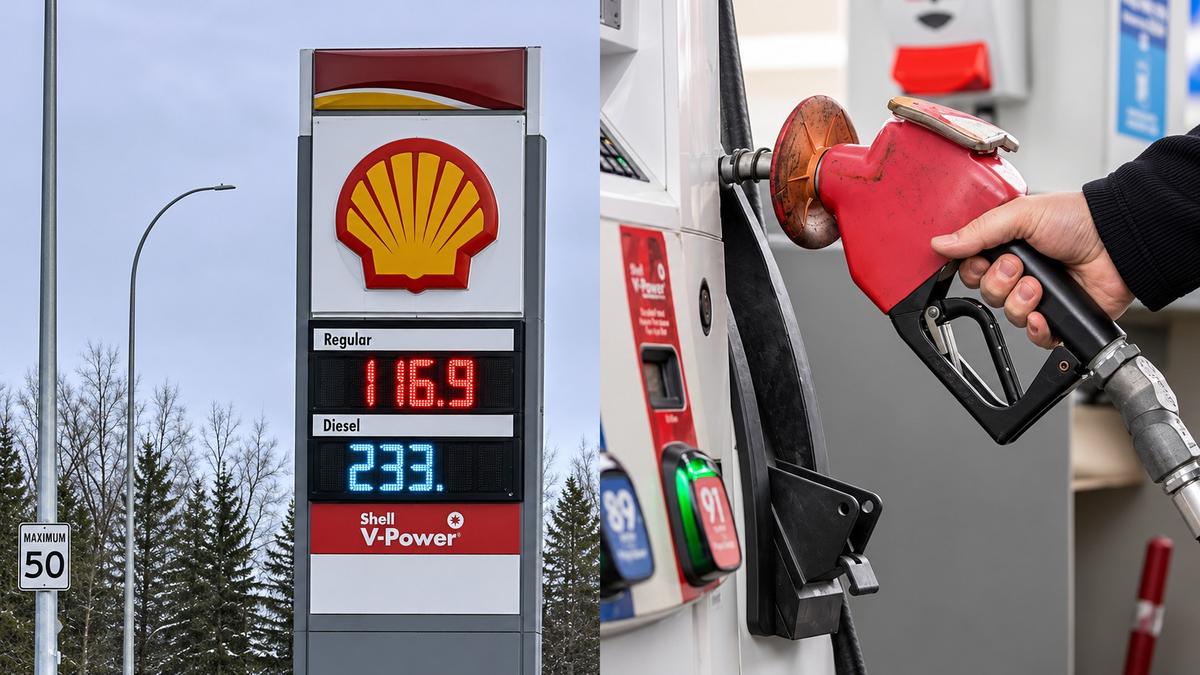
Gasoline, up 23% nationally
Auto insurance in Alberta, up 25% year over year
Your own situation depends on your raise and your bills. But on average, Alberta workers lost a little ground.
Highest average pay, lowest minimum wage
Alberta leads the provinces on average pay, yet it has the lowest minimum wage in Canada at $15 an hour. That's where it's been since 2018, while other provinces have kept raising theirs.
Both can be true at once. High-paying jobs in oil and gas, construction, engineering and the trades pull Alberta's average up. They don't help someone working a minimum-wage shift in retail or food service.
Read why Alberta's minimum wage is now the lowest in Canada.
What the $73,039 number does and doesn't tell you
It's useful, but it isn't the whole picture.
It's an average, not the middle. A few very high earners pull it up. The median, what the person in the middle earns, is usually lower.
It's before deductions. It doesn't account for taxes, CPP, EI or benefits. Your take-home pay will be lower.
It includes overtime. That matters in a province with a lot of shift and field work.
It's for payroll employees. Self-employed people aren't counted.
It's one month, stretched over a year. August's weekly figure times 52 is a snapshot, not an annual salary survey.
How far $73,039 goes in Calgary and Edmonton
Average pay is one benchmark. What it costs to live where you are is another.
The 2026 living wage, the hourly rate a worker needs to cover basic costs, is:
Calgary: $26.90 an hour
Edmonton: $22.65 an hour
Working full-time at the Calgary living wage comes to about $55,950 a year. In Edmonton, it's about $47,110.
See the 2026 living wage for all 20 Alberta communities, or compare the two cities with our Calgary vs. Edmonton cost of living tool.
The job market is cooling
Higher average pay doesn't mean it's easy to find work right now.
In October, Alberta lost 24,300 jobs, and the unemployment rate jumped to 7.3%.
Read more about Alberta's October job numbers.
If you're looking for a raise or a new job, our Alberta jobs board has more than 4,100 openings from 99 employers, updated daily.
When the next numbers come out
Statistics Canada is scheduled to release September's payroll figures on Nov. 26, 2026. We'll update this story when they're out.







Comments