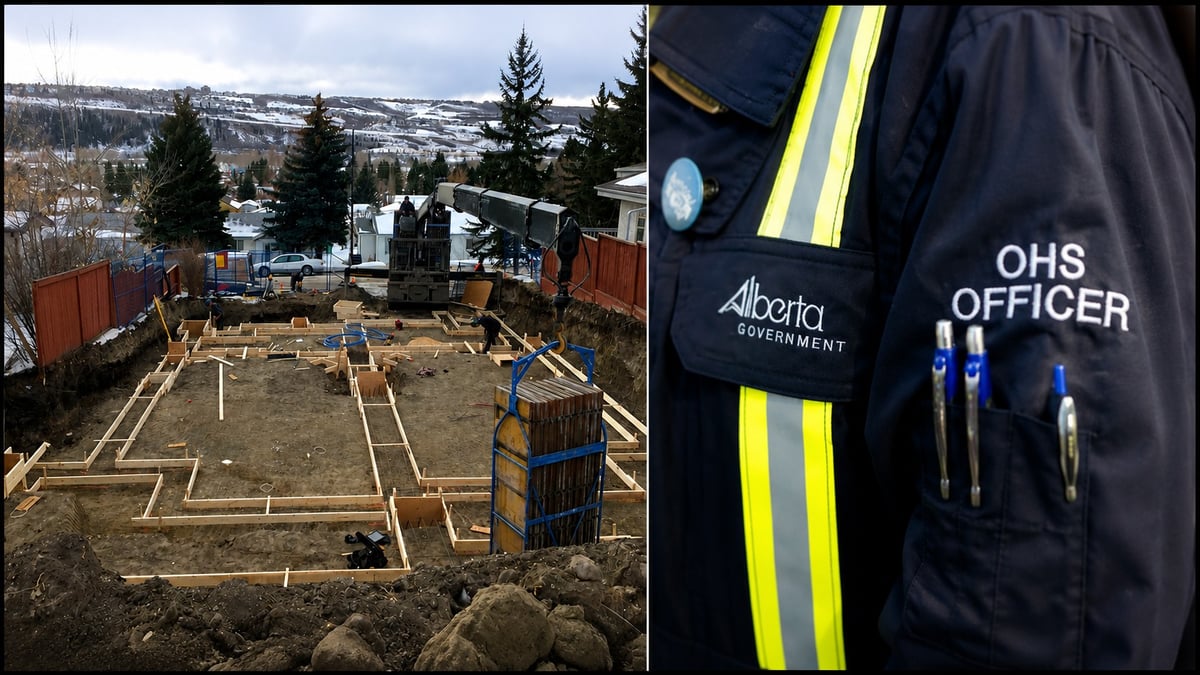
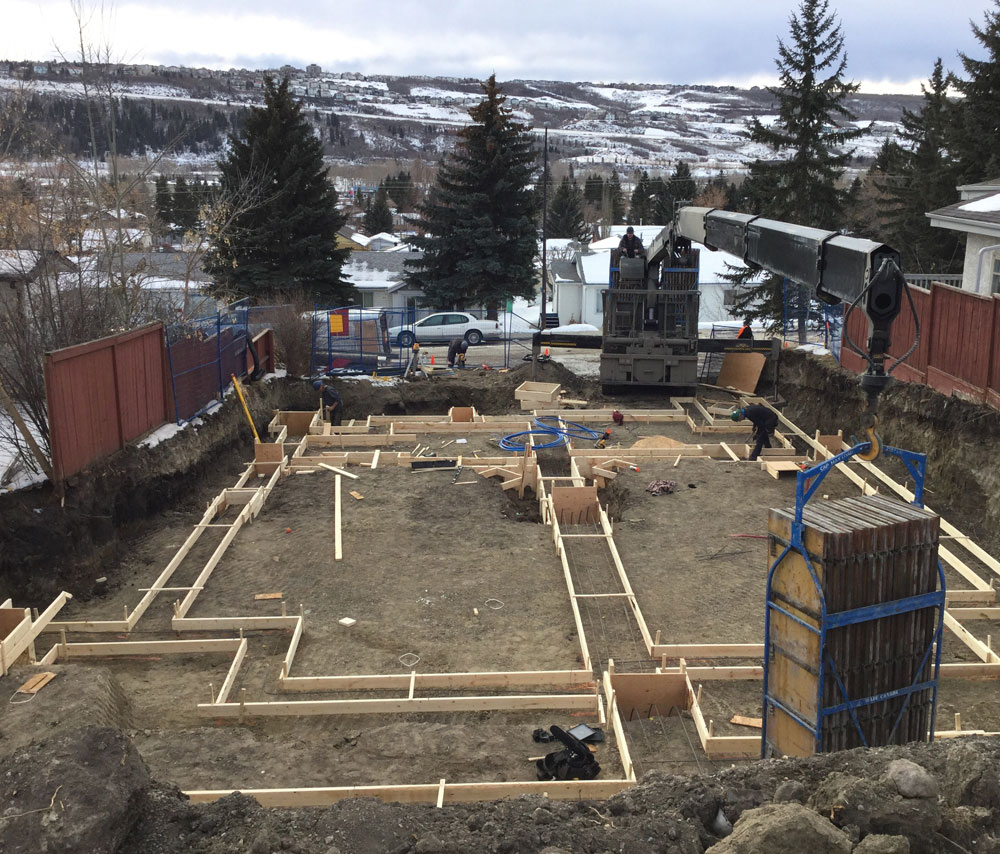
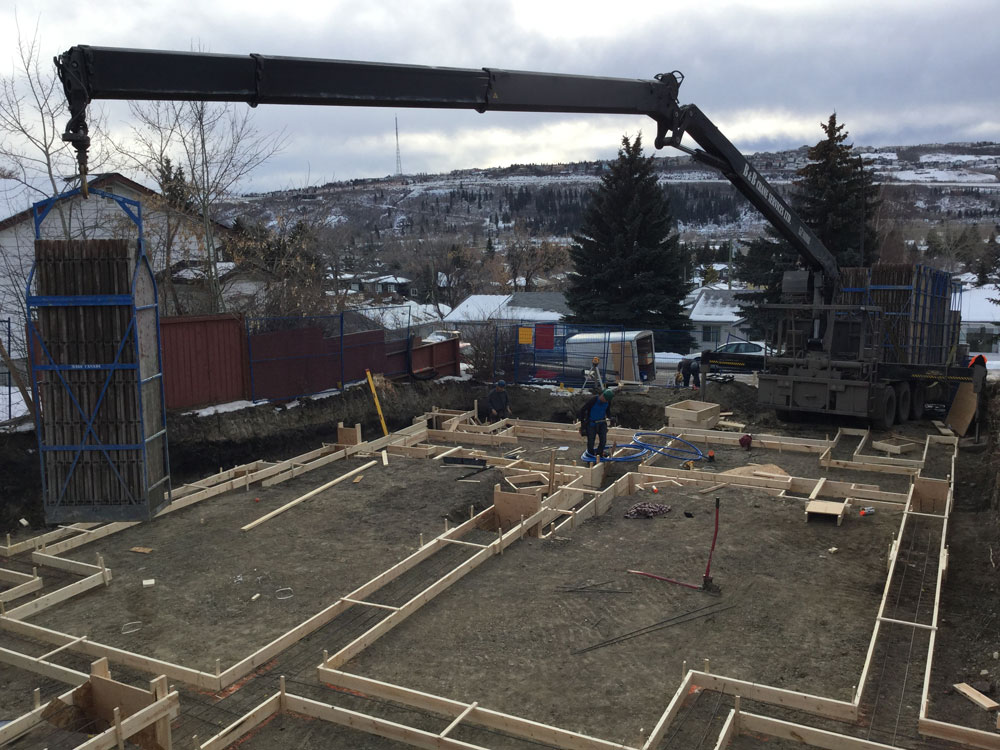
Picture a Calgary construction site in December 2023. Workers are building the foundation of a new home assembling the temporary wooden and steel panel systems that hold poured concrete in place while it hardens. It is cold, physical, demanding work that happens on virtually every residential construction site in the city.
One of those panel cages was not sitting on firm, stable ground. It fell.
The cage struck one worker and pinned them. The injuries were serious. The work stopped. The investigation started.
Two and a half years later, two companies have pleaded guilty in Calgary Court of Justice.
The two companies and what they did wrong
Excel Management Limited Partnership was the prime contractor the company in charge of the overall project. In construction, the prime contractor is responsible for coordinating all the trades on site and making sure everyone is working safely. Excel's guilty plea was to one count of failing to ensure workers were adequately trained to do their jobs safely.
Translation: the workers handling the formwork panels did not have adequate training. When you are moving and assembling heavy panels on an active job site in winter conditions, knowing exactly how to set up, support, and secure those loads is not optional. That training gap is what Excel pleaded guilty to.
Benchmark Cribbing Inc. was the employer specifically responsible for the cribbing and formwork operation — the company whose workers were setting up the panel cage that fell. Its guilty plea was to one count of failing to ensure that racks used to store materials were placed on firm foundations that could support the load.
Translation: the cage was not properly supported. It was not on stable ground capable of holding the weight. When it tipped or shifted, there was nothing to stop it.
One company failed to train people properly. The other failed to set up its equipment safely. Both failures contributed to the same worker ending up pinned under a collapsed cage of panels on a cold December morning.

What these materials actually are
Formwork panels are the large flat sheets typically made from wood, steel, or aluminum — used to frame the outside of a concrete pour. When you build a basement or foundation wall, you cannot just pour concrete into open air. You assemble formwork panels on both sides of where the wall will be, pour concrete between them, and remove the forms once the concrete has cured and holds its shape on its own.
These panels are heavy. A single large steel formwork panel can weigh several hundred kilograms. On a busy construction site they are moved, stacked, assembled, and stripped repeatedly throughout the day. When they are stored in a cage or rack between uses, that cage needs to be sitting on solid, level ground that can handle the load — exactly the standard Benchmark Cribbing failed to meet.
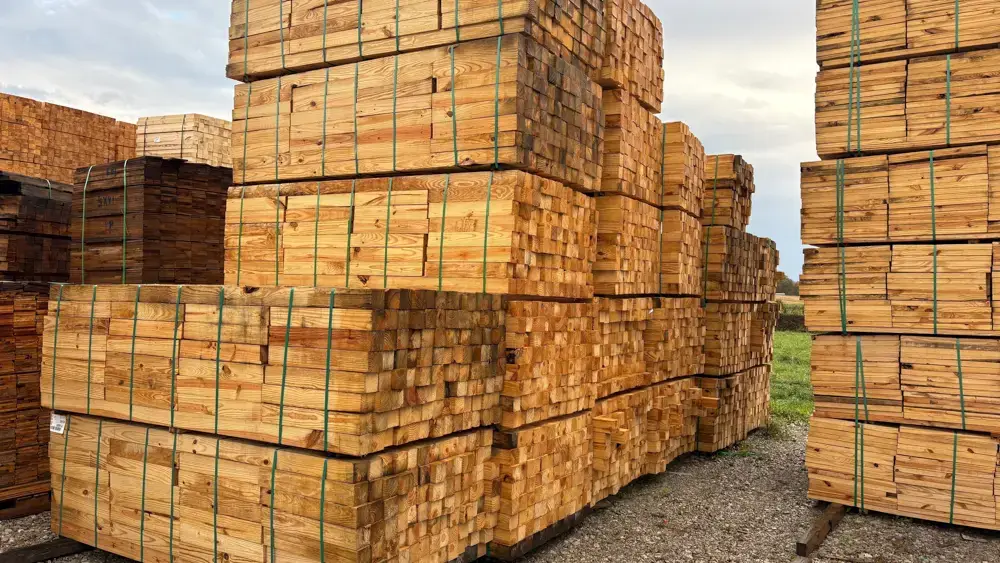
Cribbing refers to the temporary stacking of heavy timber or structural material to support loads or create level working platforms. It is routine, specialized work. Done correctly it is safe. Done incorrectly it creates exactly the kind of unstable condition that caused this incident.
The penalties
Each company was fined $125,000 inclusive of the 20 percent victim fine surcharge. Excel G.P. Ltd.'s fine is payable immediately. Benchmark Cribbing's fine is payable by December 23, 2026. Both companies and the Crown have up to 30 days to appeal.
The fines go directly to the Crown no creative sentence was applied directing money toward safety training or community benefit, unlike the Weyerhaeuser case in Grande Prairie earlier this year where $355,000 went to Northwestern Polytechnic for industrial safety training, or the LX Hausys case in Calgary where $350,000 went to VR forklift simulator training.
Three other counts against Excel entities were withdrawn. A third defendant had proceedings stayed by the Crown. The worker who was injured has not been publicly identified.
What this means for anyone working in construction
Alberta's OHS Act places clear legal obligations on both prime contractors and employers. The prime contractor — the company running the overall job site — is responsible for the safety culture of the entire project, including making sure every worker who steps on site has the training they need. An employer bringing specialized workers onto that site is responsible for how their own equipment is set up and managed.
When both layers of responsibility fail at the same time, serious injuries happen. December 16, 2023 in Calgary is what that looks like.
If you work in construction and have concerns about safety conditions on your job site, contact Alberta Occupational Health and Safety at 1-866-415-8690 or report online at alberta.ca/ohs-report.
Sources:
Government of Alberta news release, Construction companies fined for workplace injury, June 8, 2026 (alberta.ca)
Occupational Health and Safety Act, RSA 2000, c. O-2








Comments
Conversation