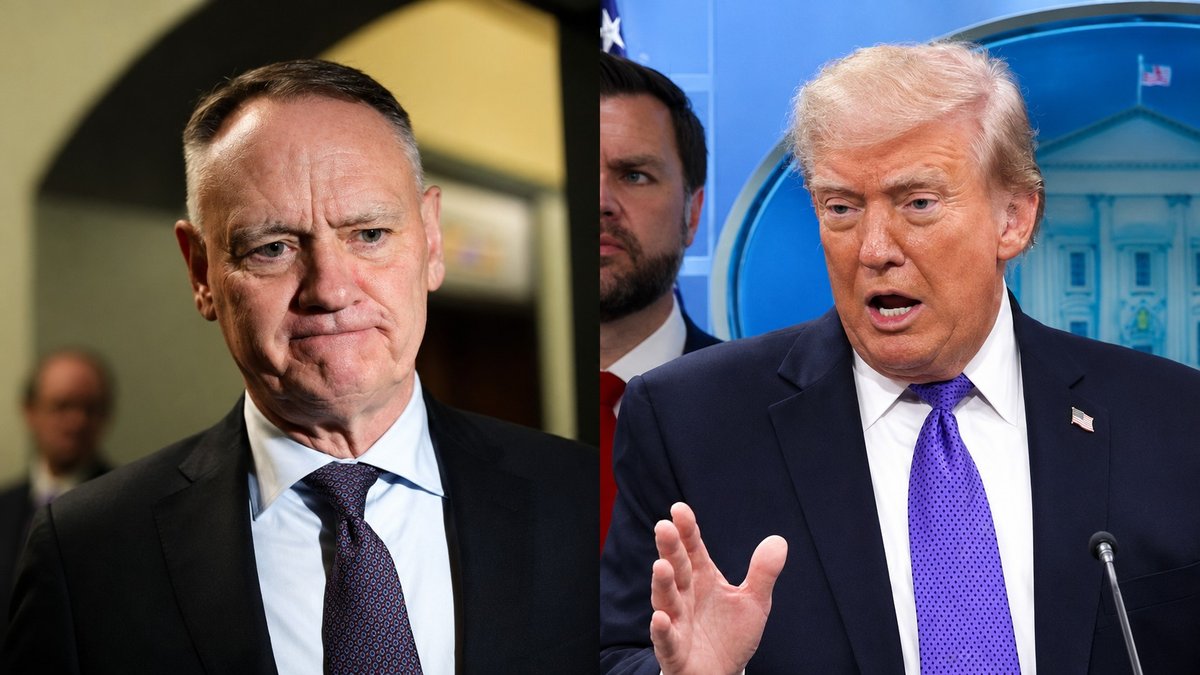
Defence Minister David McGuinty pushed back Tuesday after the Pentagon accused Canada of doing too little to help defend North America.
"Canada is a sovereign nation," McGuinty told reporters in Ottawa on Nov. 24. "I'll be very direct. We don't report to the United States."
The day before, the Pentagon had released a fact sheet questioning Canada's equipment, its spending plans and its review of the F-35 fighter jet purchase. McGuinty says Ottawa has a path to spend about 4% of GDP on defence and related security by 2030. Washington is questioning where that money will go and how quickly it will improve Canada's ability to defend the continent.
What the Pentagon says Canada is falling short on
The fact sheet, titled "Canadian Defense Shortfalls," says years of underinvestment have "atrophied the Canadian Armed Forces."
It says Canada "consistently spent below 1.5% of GDP annually until 2025," and accuses Ottawa of putting off its biggest spending increases until after the 2029 federal election. It also warns that a mixed fleet of American and Swedish fighters would make Canada's personnel shortages worse.
The fact sheet cites three readiness figures for 2025-26. They don't all measure the same thing:
| Branch | What the Pentagon cited |
|---|---|
| Royal Canadian Air Force | 41.9% of the fleet serviceable |
| Canadian Army | 48% operational readiness |
| Royal Canadian Navy | 53.9% of the fleet serviceable |
It adds that only one of Canada's four Victoria-class submarines is seaworthy at any given time.
On Tuesday, a senior U.S. defence official told reporters the Pentagon is "postured to up the ante when we need to." The official didn't say what that would involve.
"Canada is moving forward"
McGuinty described a plan he says has been in motion for a year and a half.
"We made a decision 18 months ago to diversify our relationships militarily," he said. "Canada is moving forward. We're moving forward in different forms, different relationships, bilaterals, smaller clusters of countries."
Under the government's Defence Industrial Strategy, he said, Canada wants to build more of its own military equipment. If it can't build something, it will partner with allies. Buying is the third option.
"We'd like to procure less from the United States when it comes to military hardware," he said.
He listed Canada's work with Nordic and Arctic allies within NATO, a request to join the British-led Joint Expeditionary Force and what he called "I think it's now 22" new trade and defence agreements.
As for the Pentagon document, McGuinty said it was "a memo that I have not seen, but I'm told exists." He added that Canada's relationship with the U.S. "remains strong."
The spending gap
McGuinty says Canada's spending has climbed quickly, from about 1.25% of GDP roughly 14 months ago. Canada says it reached NATO's old benchmark of 2% in 2025.
The new NATO target is tougher. By 2035, allies agreed to spend at least 3.5% of GDP on core defence, plus up to 1.5% on broader security such as infrastructure and cybersecurity.
That's where the gap is. According to the Parliamentary Budget Officer, Budget 2026 projects about 4.1% of GDP for defence and security combined, but only 2.6% for core defence. NATO wants at least 3.5% in core defence.
NATO will review allies' progress in 2029. McGuinty and Prime Minister Mark Carney say a lot depends on that review.
What the F-35 review means for Cold Lake
Ottawa announced plans in 2023 to buy 88 F-35As to replace its aging CF-18s. Carney ordered a review of the purchase in 2025, and Canada has looked at Saab's Gripen, either instead of the F-35 or as a second fighter.
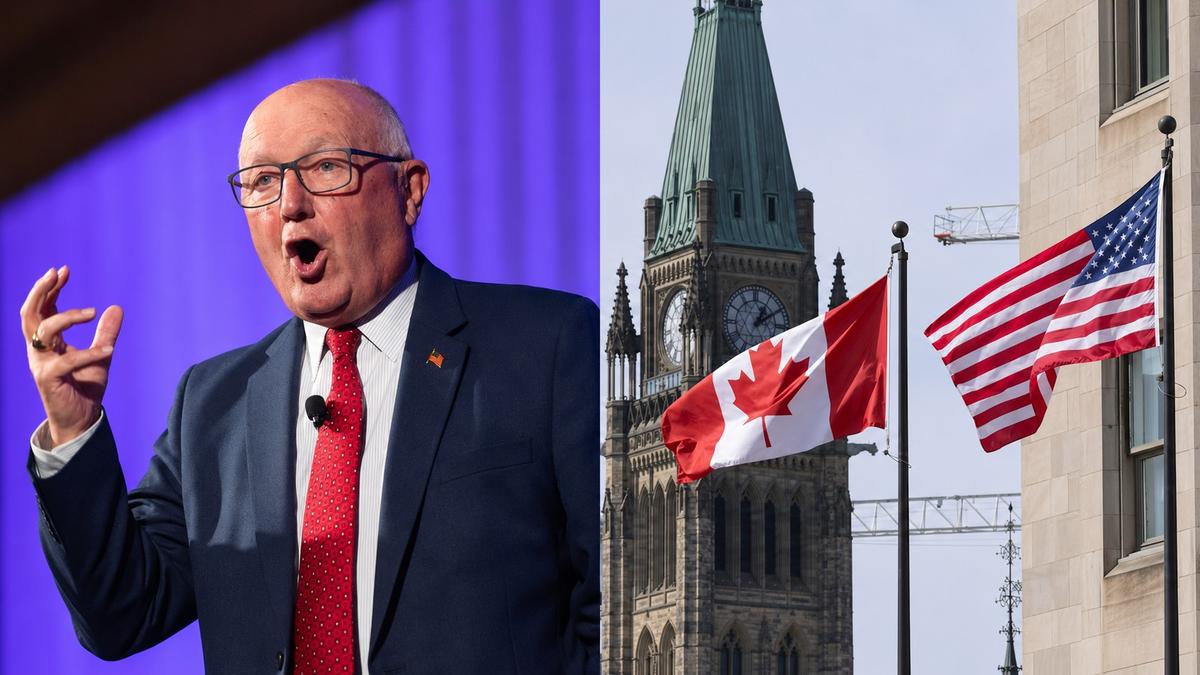
Canada has committed to the first 16 jets. The RCAF received its first two in October at Luke Air Force Base in Arizona, where Canadian pilots will train. U.S. Ambassador Pete Hoekstra called it "the best fighter in the world."
Meanwhile, 4 Wing Cold Lake and Bagotville, Que., are preparing facilities for the new fighter squadrons.
That means Canada already has jets in training and bases being built for them, but it still hasn't decided what the rest of the fleet will look like. That decision will shape Cold Lake for decades, and it's the one the Pentagon is pushing hardest on.
What about NORAD?
McGuinty says co-operation through NORAD, the joint command that watches North American airspace, and through NATO hasn't changed.
Washington paused its participation in a separate defence advisory board in May: the Permanent Joint Board on Defence, which the two countries set up in 1940. A U.S. official said at the time that Canada had "promised us the moon last year and are not delivering."
The trade backdrop
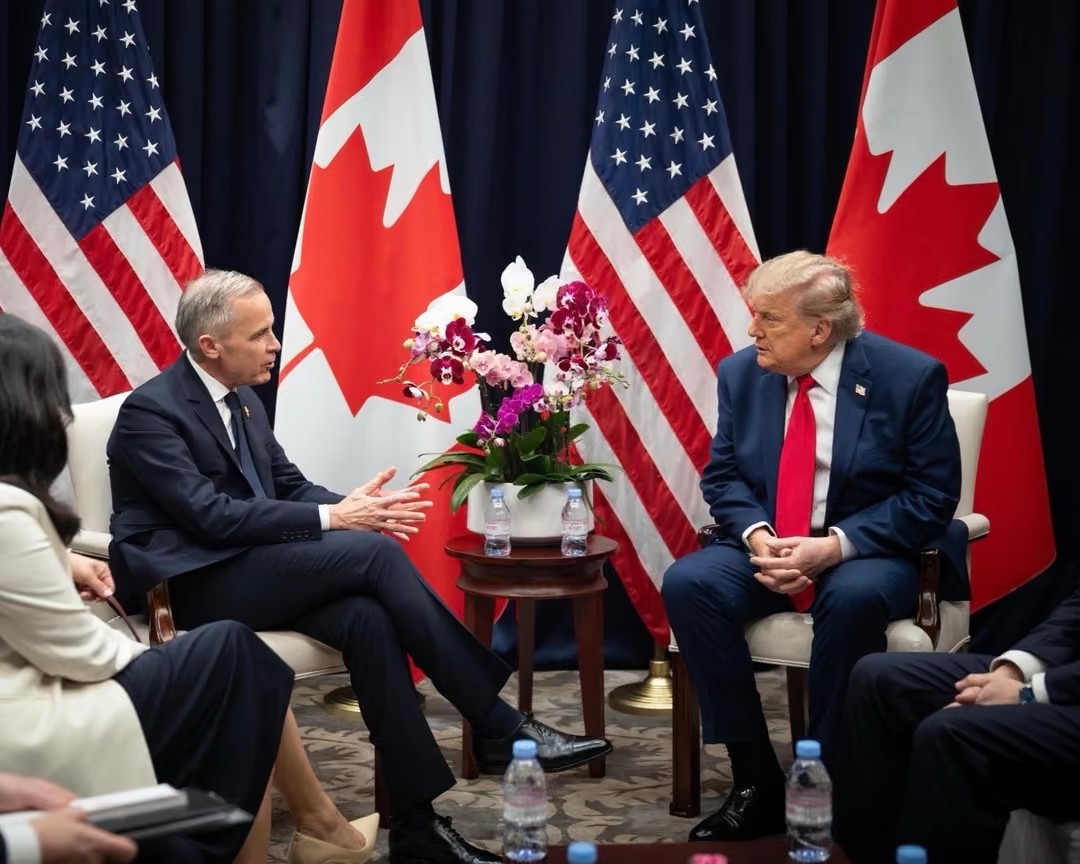
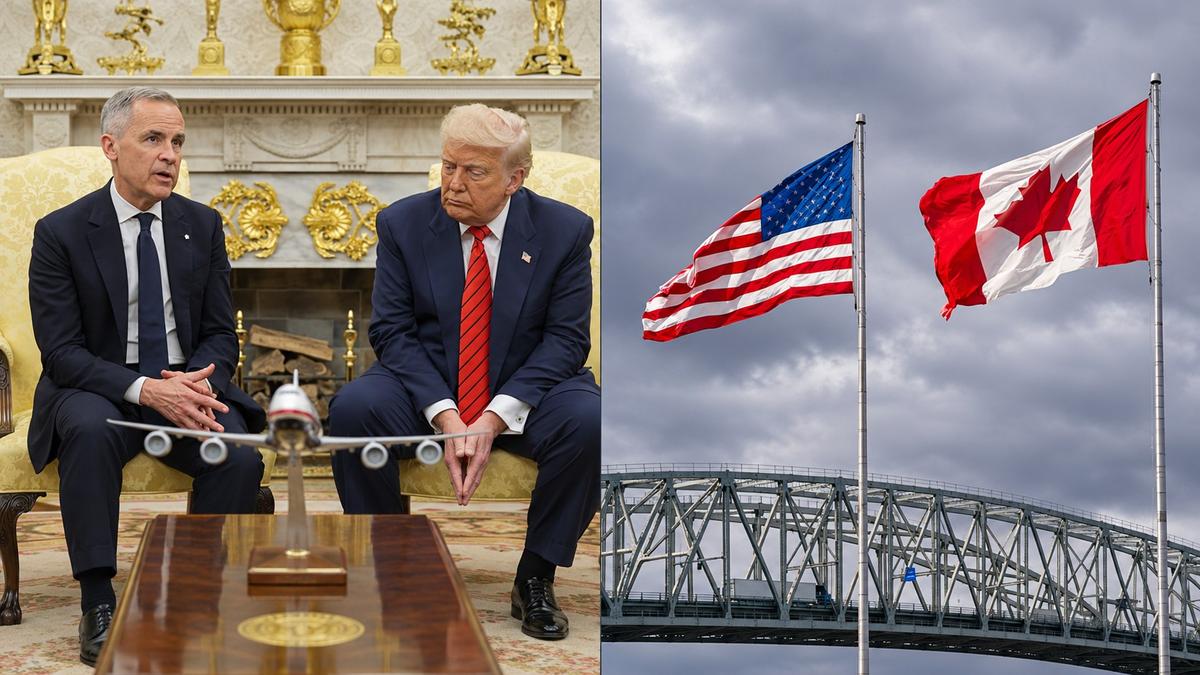
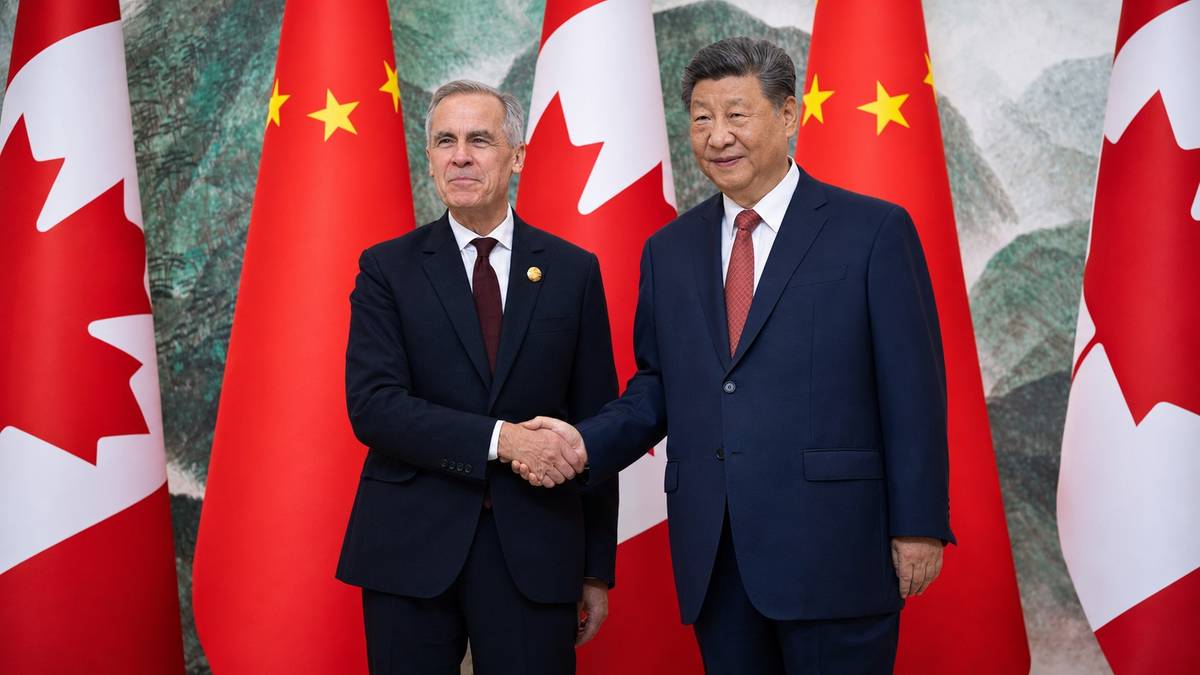
The Pentagon's criticism came less than a week after Carney and Trump met in Shenzhen, where they agreed to keep talking about trade. Two days later, Trump told reporters Canada had been "very difficult" for 50 years and said the U.S. could rely on its own cars, energy and lumber. We checked those claims against the trade numbers.
Sources
Prime Minister of Canada: Carney meets President Trump (Nov. 18, 2026)
U.S. Department of Defense: "Canadian Defense Shortfalls" fact sheet, Nov. 23, 2026 (add link if public)




Comments