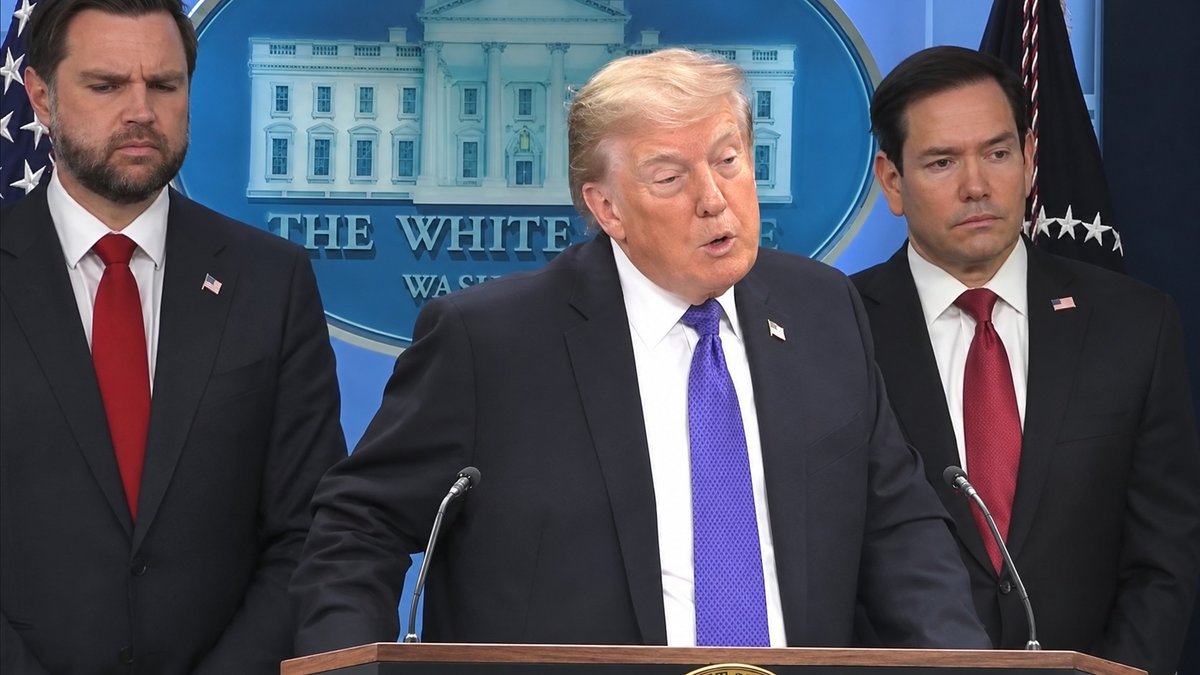
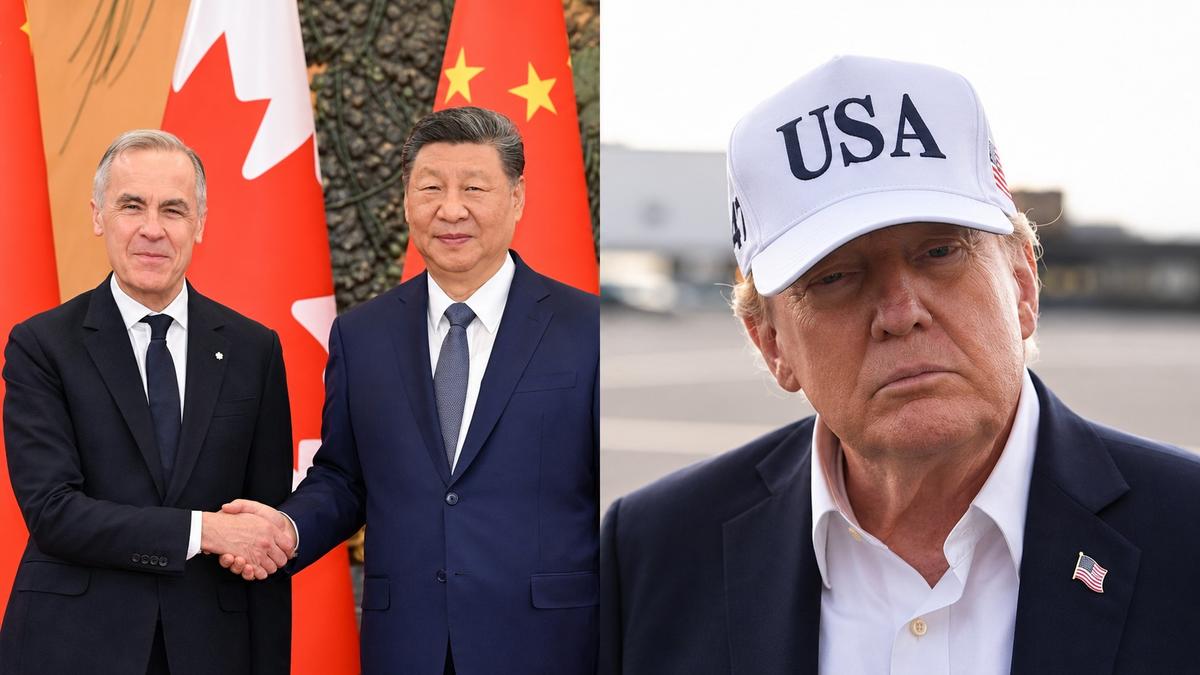
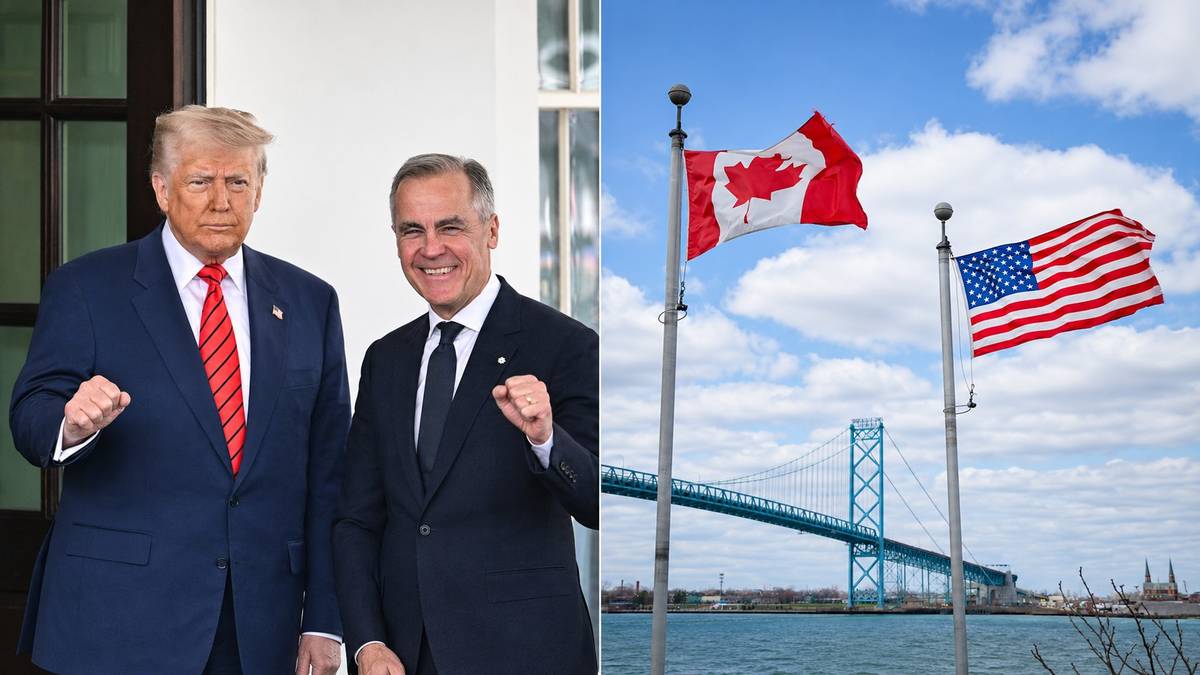
On Wednesday in China, Donald Trump sat down with Mark Carney. On Friday at the White House, he called him “very nice.”
Then he turned on Canada.
“Canada has been very difficult for this country for 50 years,” Trump told reporters. “I don’t know, for some reason, they feel emboldened, and we can’t let them feel that way anymore.”
His argument: the U.S. doesn’t need what Canada sells.
“We can make our own cars. We have more energy than they do,” he said. “We have more lumber. We have all the lumber.”
The numbers tell a more complicated story, and Alberta is right in the middle of it.
What Trump said
Trump said the U.S. had opened up forests that used to be off-limits.
“We freed up a couple of forests, which were restricted, but we have all the lumber,” he said. “We have everything we need.”
He said a deal is still possible.
“With that being said, we’re working on making a deal that’s fair. But they’ve never treated us fairly.”
Then he went after Canada’s negotiators.
“One of the most difficult people to deal with is the people that represent Canada. It’s been that way a long time, too,” he said. “Not fair, but we don’t stand for it anymore, let me put it that way.”
He also said Canada has been “ripping us off for many, many years, and it’s time to stop.”
What happened in China
The comments came right after Trump and Carney both returned from the APEC summit in Shenzhen, China.
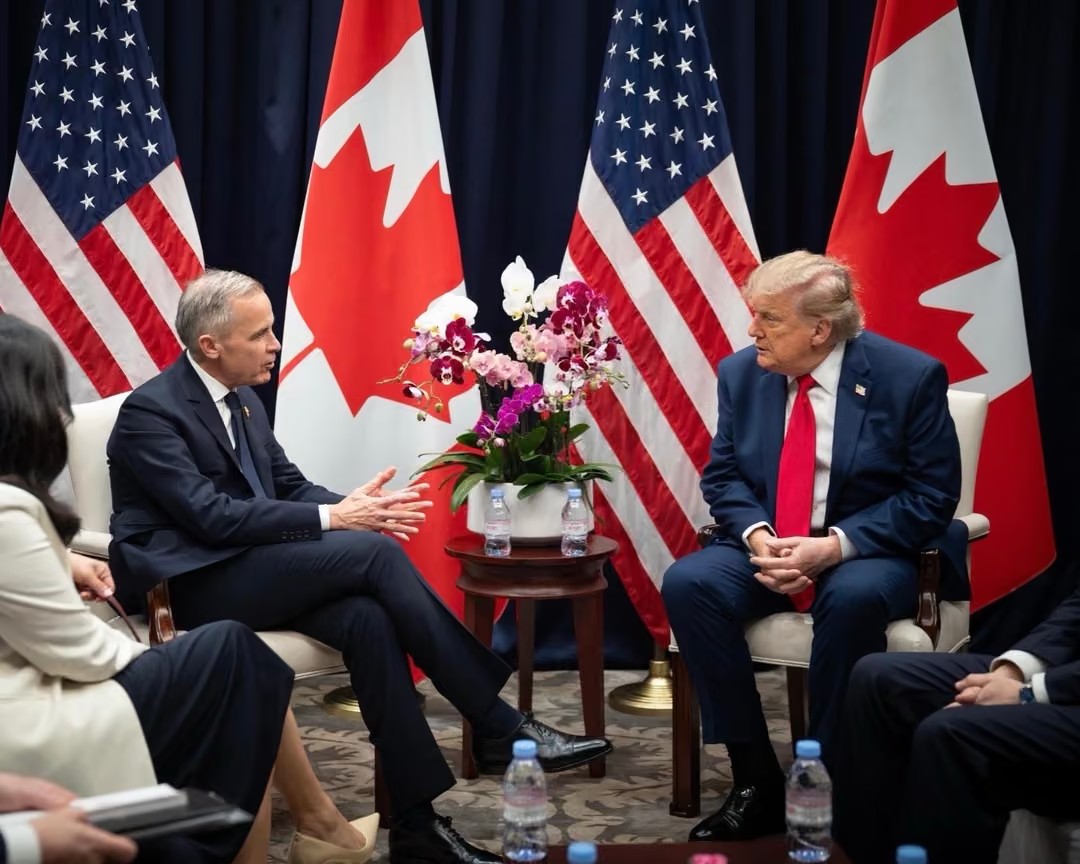
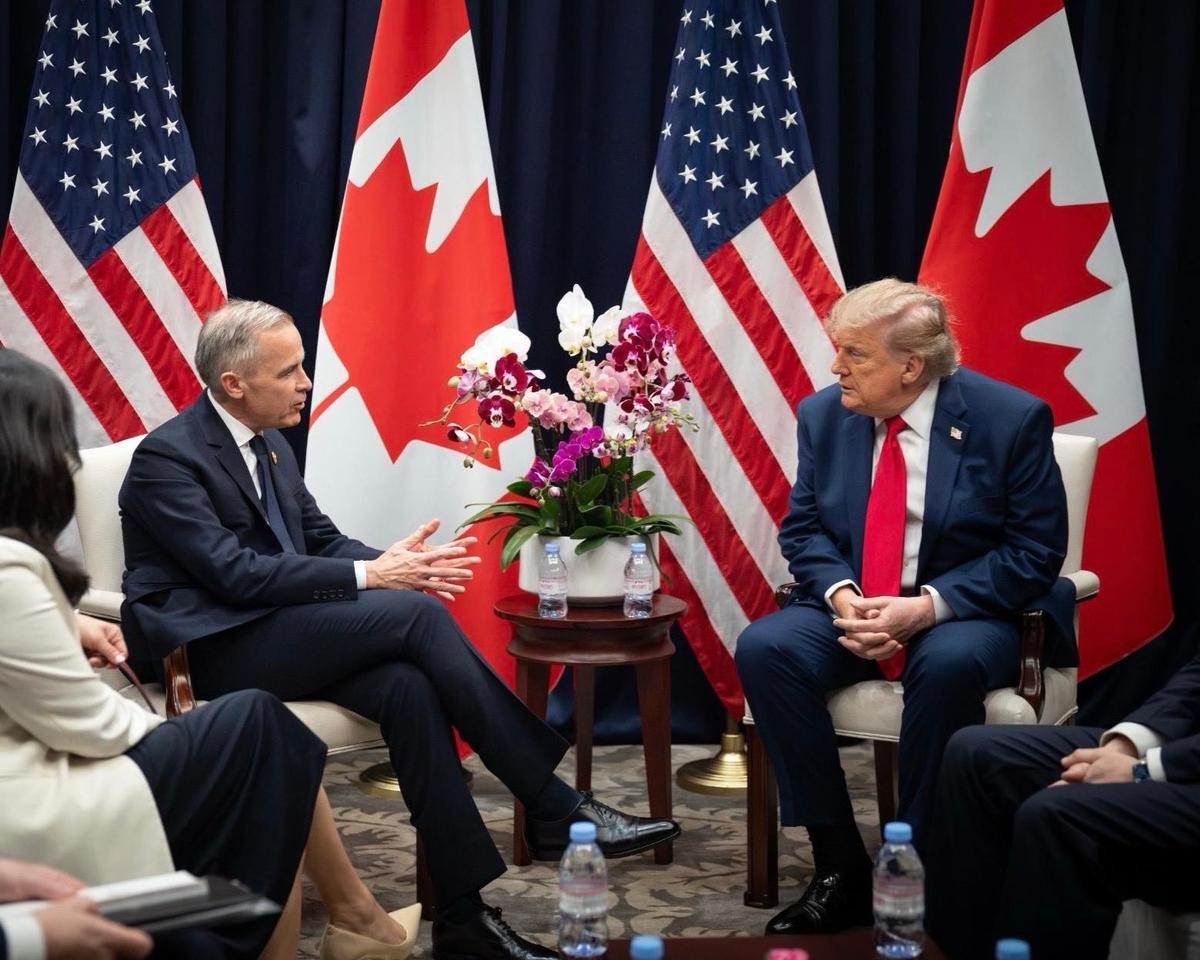
Wednesday, Nov. 18: Carney and Trump met on the sidelines. The Prime Minister’s Office said they discussed a possible trade agreement and agreed to keep working and stay in contact. No deal was announced.
The day before: Carney met Chinese President Xi Jinping. Ottawa said China agreed to expand tariff relief to about C$400 million in Canadian exports, including frozen pork and seafood.
Carney made one thing clear on the trip: Canada will keep making deals with other countries while it waits on Washington. He said a “very good trade arrangement” with the U.S. is possible, but Canada won’t sit around waiting for one.
Read our coverage of the Carney-Trump meeting in China and what Canada got from China.
The 51st state, again
Friday’s remarks fit a pattern.
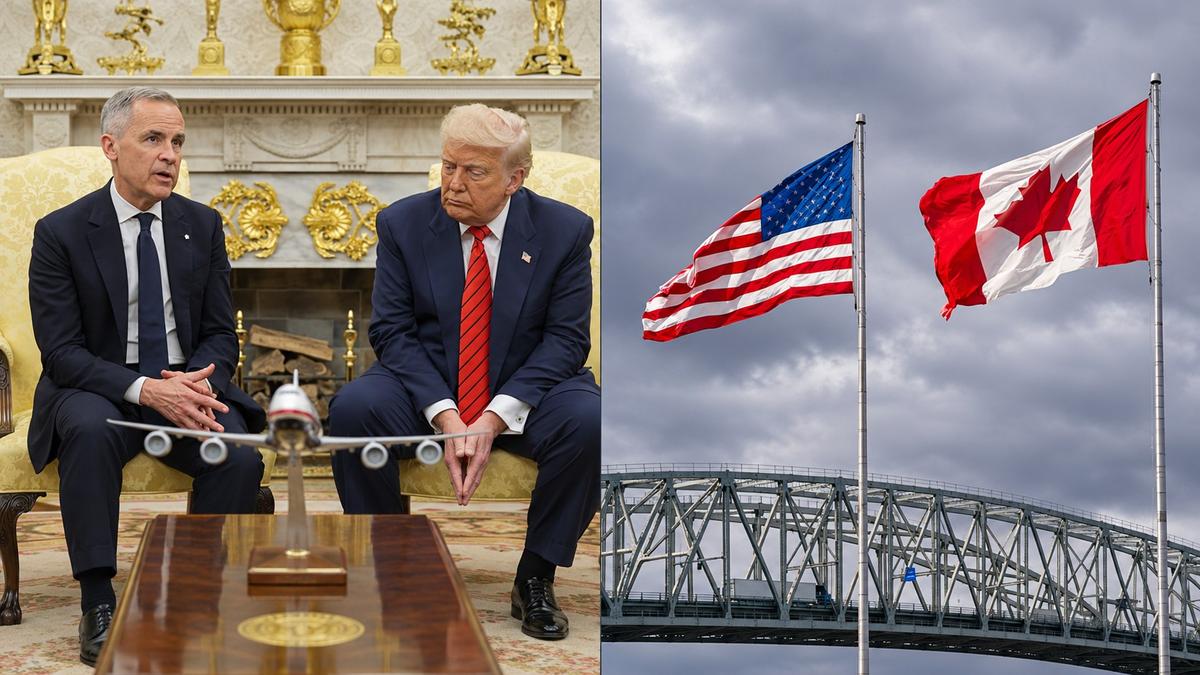
Trump has repeatedly floated making Canada the 51st U.S. state. When he raised it in the Oval Office in May 2025, Carney looked at him and said Canada “won’t be for sale, ever.”
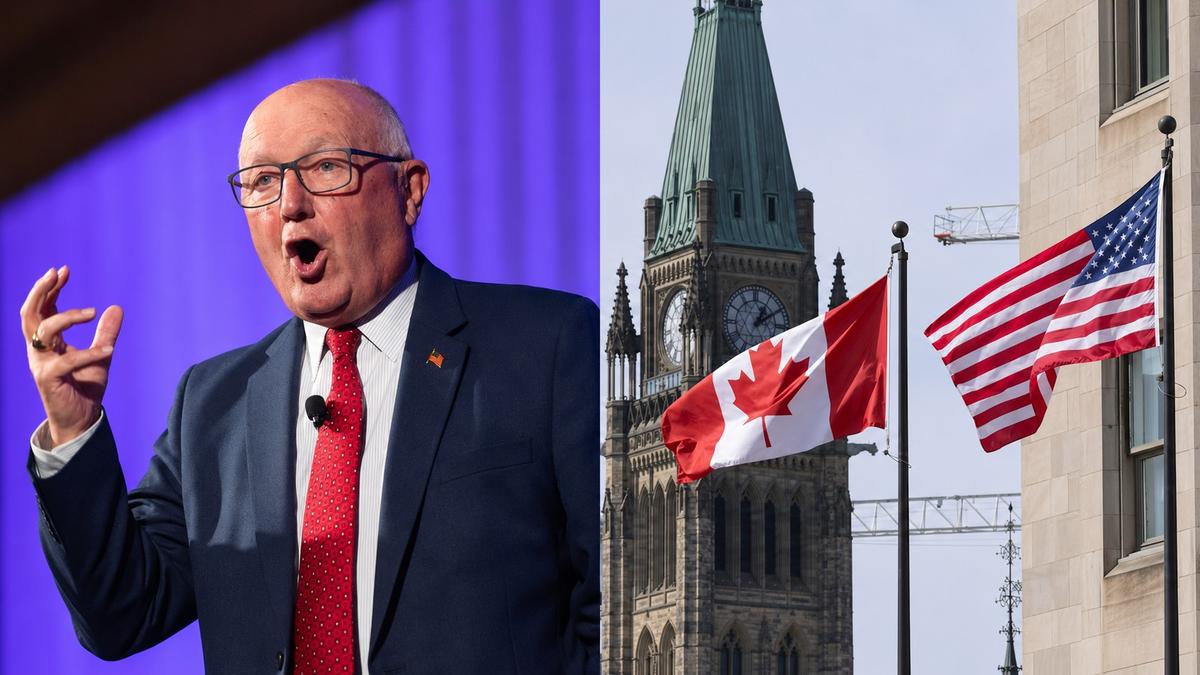
Trump has kept coming back to it, and his ambassador to Ottawa, Pete Hoekstra, once called the idea a “term of endearment.” That’s one reason nearly 286,000 Canadians signed a House of Commons petition asking Ottawa to expel him. That petition closed the same day Carney and Trump met in China.
In its account of Wednesday’s meeting, the Prime Minister’s Office said any trade agreement would have to respect Canada’s sovereignty, languages and culture.
Where trade talks stand
The last round of talks collapsed on Aug. 21, minutes before a tariff deadline.
Aug. 22: The U.S. put 50% tariffs on about US$20 billion worth of Canadian goods, about 5% of what Canada sells to the U.S. each year.
Sept. 8: Canada’s counter-tariffs on C$27.6 billion worth of U.S. goods took effect.
Carney said the deal fell apart over last-minute U.S. demands that would have:
Cut tariff relief for Canadian-made vehicles
Limited Canada’s ability to sign trade deals with other countries
Weakened protections for Canada’s languages and culture
Fact check: cars, oil and lumber
Trump’s case is that the U.S. doesn’t need Canada. Here’s what the official figures show.
“We have more energy than they do”
True, as far as it goes. The U.S. produced a record 13.6 million barrels of oil a day in 2025, according to the U.S. Energy Information Administration.
But it’s still Canada’s biggest customer by far. In 2025, Canada sent about 3.9 million barrels of crude a day south, according to the Canada Energy Regulator. That was 63.4% of all the crude oil the U.S. imported, and most of it came from Alberta.
The two systems are tied together. Many U.S. refineries are built to run on heavy Canadian crude, and nearly all the crude refined in the U.S. Midwest and Mountain regions comes from Canada.
“We have all the lumber”
The U.S. imports about 30% of the softwood lumber it uses, according to RBC Economics. Canada supplied about 71% of those imports by value in 2025, worth about US$4.5 billion. Most of it goes into building homes.
Canadian lumber already faces U.S. anti-dumping and countervailing duties. October’s review lowered the rate for most Canadian companies to about 24.75%, down from about 35%. A separate 10% U.S. tariff sits on top.
“We can make our own cars”
The U.S. builds far more vehicles than Canada: about 10.6 million in 2024, compared with 1.3 million in Canada, according to the U.S. International Trade Commission.
But the auto trade runs both ways. Canada bought about 1.4 million vehicles from the U.S. that year. Under CUSMA, parts from all three countries count toward a vehicle qualifying for tariff-free trade, so cars and parts cross the border several times before they’re finished.
The fight is over the terms for Canadian-built vehicles entering the U.S. The Trump administration wants more production moved south. Ottawa says any deal has to protect Canada’s auto industry.
What Canadians think
Canadians are less willing to accept a deal that leaves tariffs in place than they were a year ago.
A Nanos survey conducted from Oct. 31 to Nov. 2 found 33.3% of Canadians would support a deal that keeps tariffs on Canadian goods, down from 41% in August 2025.
Read more about the Nanos poll.
As of Friday evening, the Prime Minister’s Office hadn’t publicly responded to Trump’s comments.



Comments