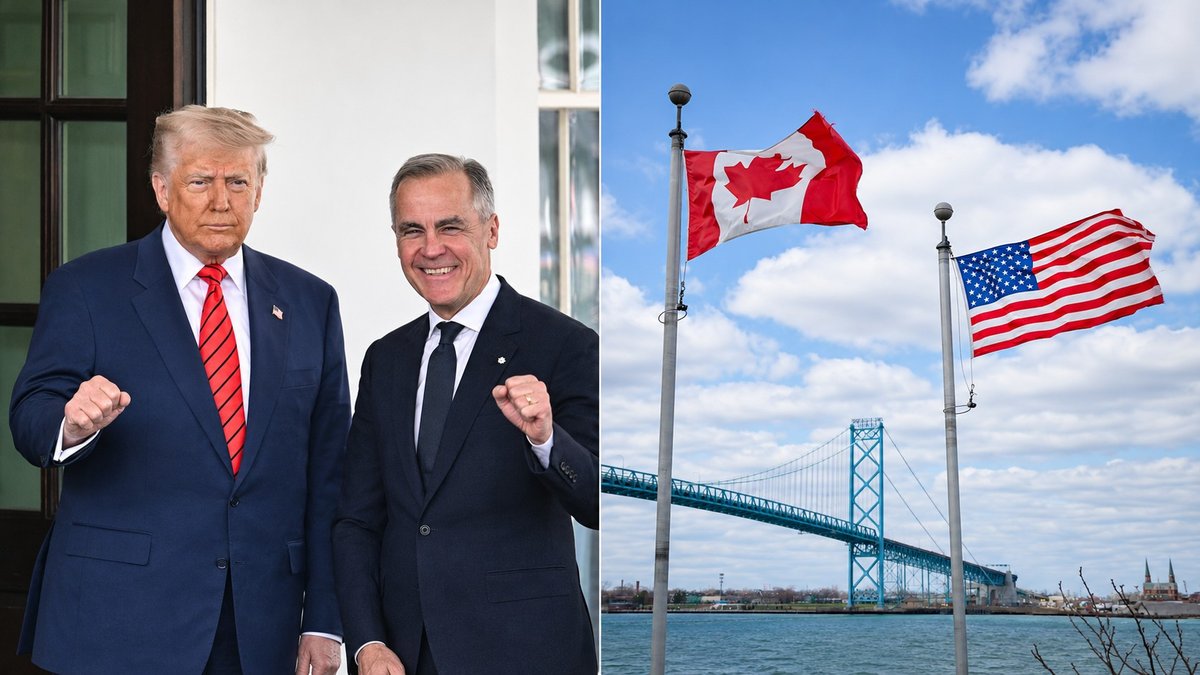
Canadians want a trade deal with the United States. Most of them don’t want one that leaves tariffs in place.
Only 33.3 per cent of Canadians would support an agreement that keeps tariffs on Canadian goods, according to a new Nanos Research poll reported by CTV News. In a similar survey in August 2025, it was 41 per cent.
That’s a drop of 7.7 percentage points. It comes as Ottawa and Washington are talking again after months of failed negotiations, shifting tariff lists and Donald Trump’s repeated talk of making Canada the 51st state.
What the poll found
According to CTV, Nanos surveyed 1,058 Canadian adults from Oct. 31 to Nov. 2, using a mix of phone and online interviews. The margin of error is plus or minus three percentage points, 19 times out of 20.
The 33.3 per cent figure measures support. It doesn’t mean the other two-thirds are all opposed, since some are likely undecided. But compared with a year ago, fewer Canadians are willing to accept a deal that keeps tariffs.
This has gone beyond trade
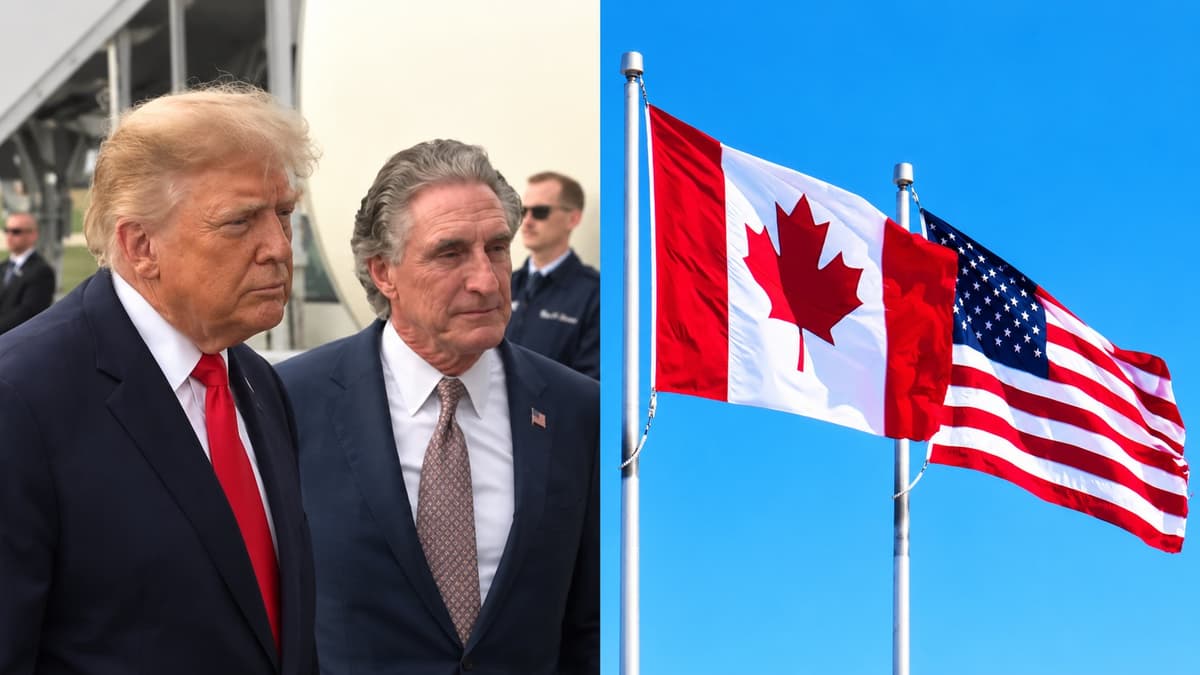
The talks have played out against a steady stream of comments from Trump about Canada’s independence.
At an Arizona rally in October, he said Canada would become the 51st state. Days later, in Kansas, he said Canada could keep hockey and “O Canada” as a U.S. state, then said he was kidding.
The poll doesn’t show whether those remarks changed anyone’s answer. But they’re part of the backdrop to every round of talks.
Canadians have backed a tough line before
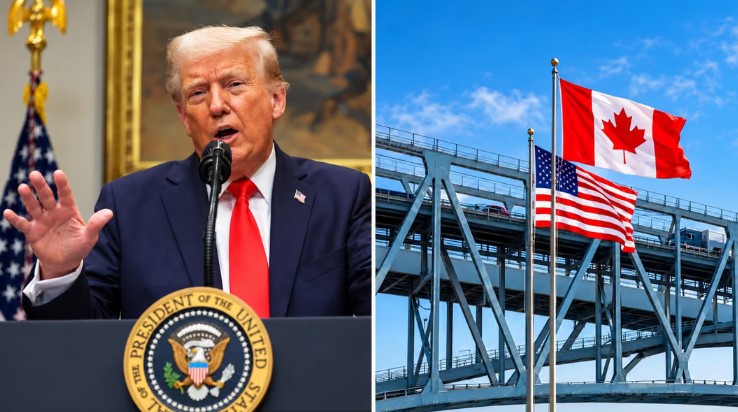
A separate Nanos survey, published Sept. 5 after talks collapsed, found:
85.6 per cent supported or somewhat supported Ottawa rejecting the proposed U.S. deal
80.7 per cent backed Canada’s dollar-for-dollar counter-tariffs, even if it meant higher prices
About seven in 10 were willing to pay more for everyday goods as part of Canada’s response
That survey asked different questions, so it’s not a direct before-and-after comparison. But it shows Canadians were already willing to absorb some pain to hold their ground.
Those higher prices are hitting your Christmas list
The counter-tariffs Canadians backed in September aren’t abstract.
On Sept. 8, Canada doubled its counter-tariffs on U.S. steel and aluminum to 50 per cent. It also put 50 per cent tariffs on a range of U.S.-made consumer goods, including:
Smartphones
Video game consoles
Other electronics
Furniture
Clothing and apparel
Some U.S. machinery, industrial tools and farm equipment face 15 per cent. In all, the counter-tariffs cover about $28 billion of U.S. goods a year.
If you’re shopping for a U.S.-made phone or console this holiday season, check where it was made. Products made elsewhere, even by American brands, aren’t hit by Canada’s counter-tariffs.
Ottawa paired the counter-tariffs with a $7.5-billion support package for businesses and workers. It includes cash-flow help for small and mid-sized businesses, grants for affected companies and more flexible employment insurance.
Talks are moving, but there’s no deal
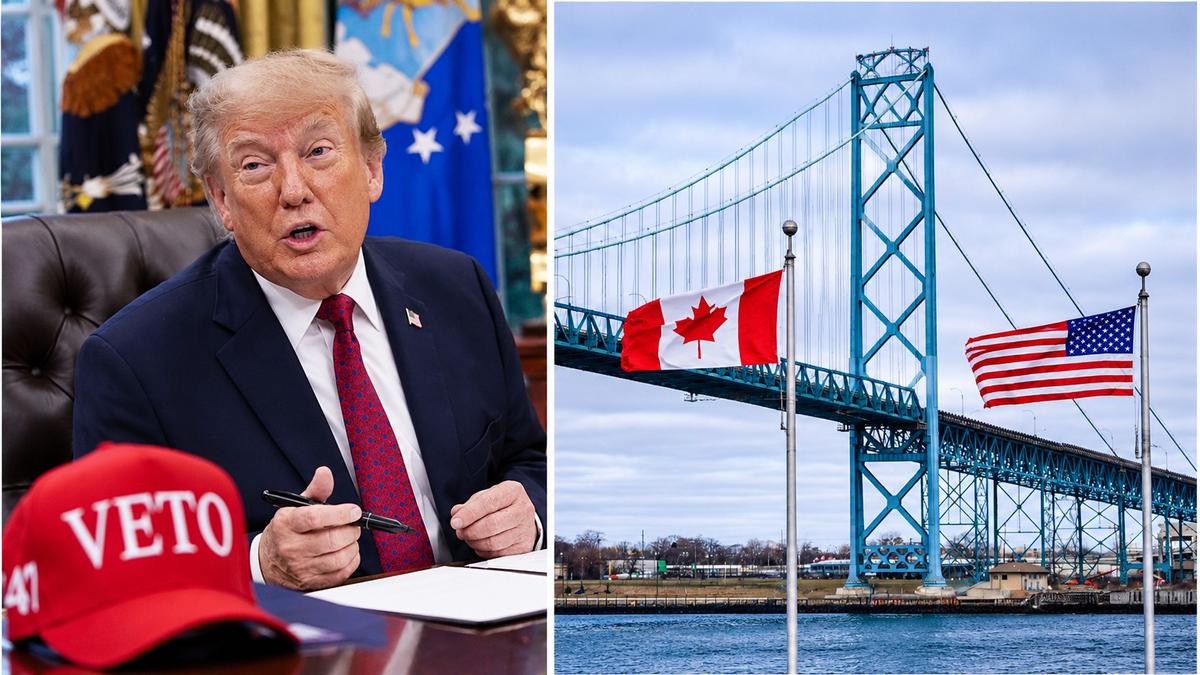
Speaking in Manila on Nov. 14, Prime Minister Mark Carney said “substantive” discussions with Trump had produced progress toward a trade agreement. No deal has been reached. A key sticking point is protecting Canada’s auto sector, where 50 per cent U.S. tariffs on cars, trucks and parts are set to start Jan. 1.
That follows weeks of mixed signals. On Oct. 28, Carney said Canada isn’t ready to sign. On Nov. 1, Trump said the two countries had the “concept” of a deal and claimed Canada would pay for the entire Keystone XL pipeline, which Carney didn’t mention in his own account.
U.S. Ambassador Pete Hoekstra expects a deal by the end of the year. Since the midterms, there’s been growing pushback against the tariffs inside the U.S. But pressure in Washington doesn’t lower the duties Canadian businesses are paying today.

Most exports cross tariff-free, but some industries are getting hammered
The Bank of Canada’s October outlook put the average U.S. tariff on Canadian goods at 7.5 per cent, up from 5 per cent in July. About 80 per cent of Canadian exports to the U.S. still cross tariff-free, mostly under CUSMA.
The remaining 20 per cent is where the pain is. The Bank says new 50 per cent tariffs hit machinery and equipment, plastics, furniture, and wood and paper products, sometimes on top of existing duties. Crude oil and other energy products, potash and critical minerals are exempt from those new measures.
That’s why the national average doesn’t tell the whole story. A deal that cuts tariffs on a few sectors might barely move the average but could decide whether a factory keeps its U.S. customers.
Businesses are putting plans on hold
The cost of waiting is showing up in business decisions.
In an October survey of its members, the Canadian Federation of Independent Business found:
47 per cent reported lower profits since August, rising to 63 per cent among manufacturers
40 per cent had raised prices
20 per cent had delayed or cancelled investments
Others were switching to Canadian suppliers, absorbing the costs themselves or leaning harder on “made in Canada.”
CFIB surveys its own members rather than a random sample of all businesses. But the results show the squeeze: higher costs on one side, and customers who don’t want to pay more on the other.
For those businesses, a deal could at least set costs they can plan around. Whether that’s worth accepting some tariffs depends entirely on the terms.
Canada is opening other doors
There’s real progress on alternatives.
On Nov. 14 in Manila, Canada concluded free trade talks with the Philippines and substantially concluded talks with ASEAN, the Southeast Asian bloc of nearly 700 million people. Two-way trade with ASEAN hit $52.5 billion in 2025, and Ottawa says a deal could unlock more than $3.5 billion in exports.
Both agreements aim for signatures in 2027. Neither is in force yet.
That builds on the Canada-EU alliance, deeper ties with China and Prairie grain moving through Churchill.
New market access is a start. Turning it into sales still takes customers, contracts and shipping routes.
The U.S. is still hard to replace
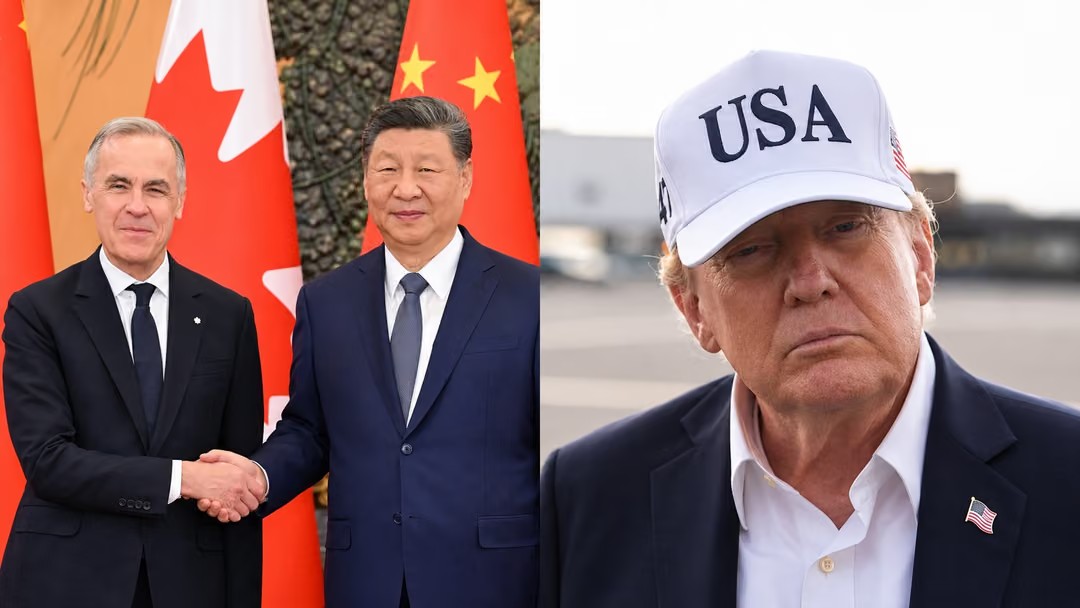
Statistics Canada says 70.2 per cent of Canada’s merchandise exports went to the U.S. in September. Exports to all other countries combined fell 1.1 per cent.
The headline number looked steady only because of oil and gold. Leave out energy and metals, and exports fell 5.6 per cent. Eight of 11 product groups declined, with electronics down 13.9 per cent and industrial machinery down 9 per cent.
That’s why Canada can be chasing new customers in Asia and Europe and still need a U.S. deal. The new markets are for tomorrow. American orders pay the bills today.
What Canadians will need to see
The real test will come when there’s an actual deal to judge.
Which tariffs disappear, and which stay?
Does relief reach the hardest-hit industries?
What does Canada give up?
How long can the new rules be trusted?
For now, the poll shows support for accepting tariffs has slipped. A deal could bring relief. Ottawa will still have to show Canadians why the remaining costs are worth it.
Sources
Nanos Research for CTV News: survey of Canadians on a U.S. trade deal, Oct. 31 to Nov. 2, 2026 (as reported by CTV News)
Nanos Research: Canadians back rejection of the recent U.S. trade deal (Sept. 2026)
Statistics Canada: Canadian international merchandise trade, September 2026
Department of Finance Canada: Canada’s response to U.S. tariffs (counter-tariffs and support package)
Prime Minister’s Office: Canada concludes free trade negotiations with the Philippines and ASEAN, Nov. 14, 2026
Canadian Federation of Independent Business: member survey on U.S. tariffs, October 2026




Comments