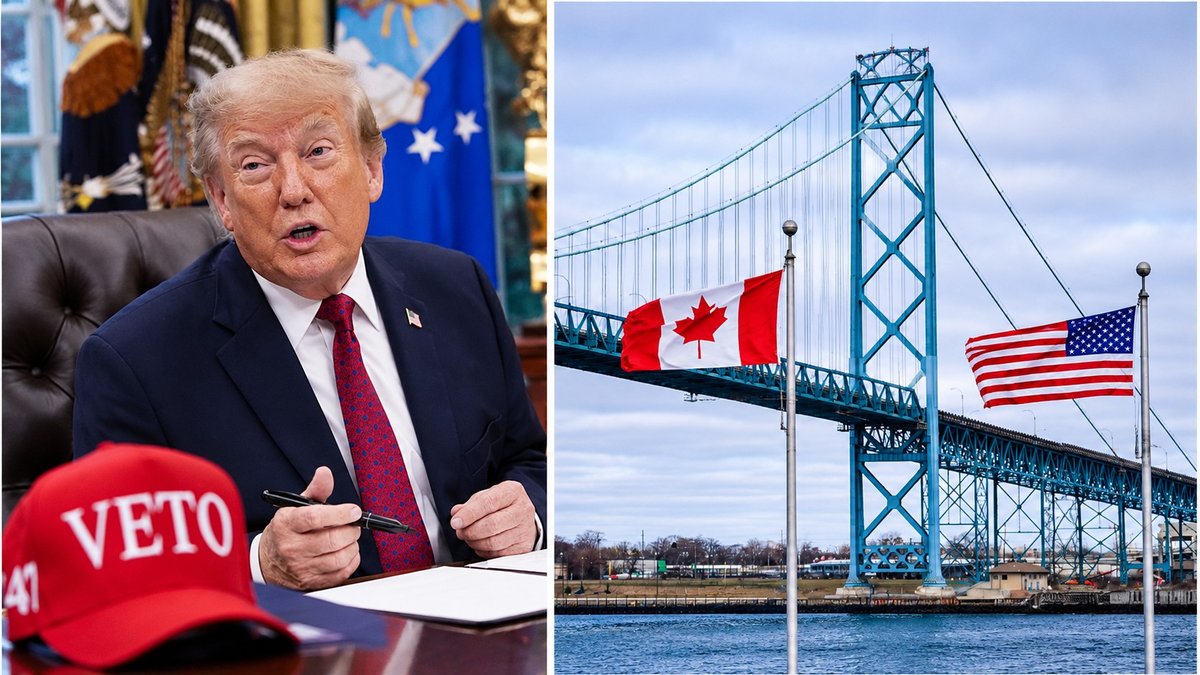
Democrats are making Trump’s tariffs on Canada one of their first targets once they take control of Congress in January.
But Trump has set a deadline of his own. In August, he announced that tariffs on all Canadian cars, trucks and auto parts will rise to 50 per cent on Jan. 1, 2027. That’s two days before the new Congress is sworn in. Canadian steel already faces a 50 per cent tariff.
“There is overwhelming support for repealing the tariffs on products from Canada,” Sen. Ron Wyden of Oregon said this week. He’s the top Democrat on the Senate Finance Committee, he’s expected to chair it in January, and he’s already talking to colleagues about a bill.
The problem is the man in the White House. Trump is president until January 2029, and he can veto anything Congress sends him.
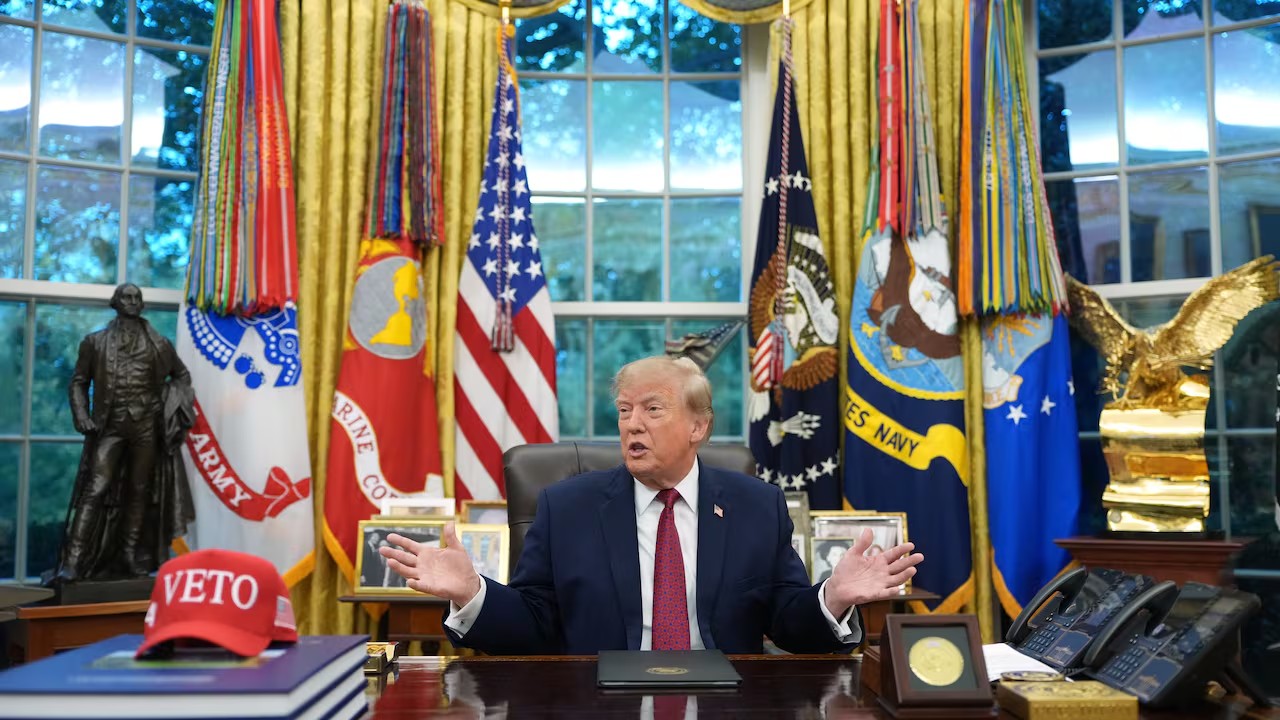
Why Canada is first
Democrats could have started with any of Trump’s tariffs. Democrats see Canada as the fight they can actually win.
Canada is one of America’s biggest trading partners. Car parts cross the border several times before a vehicle is finished. Tariffs on that trade raise costs for businesses and shoppers on both sides of the border, and Republicans in border and farm states have been feeling it.
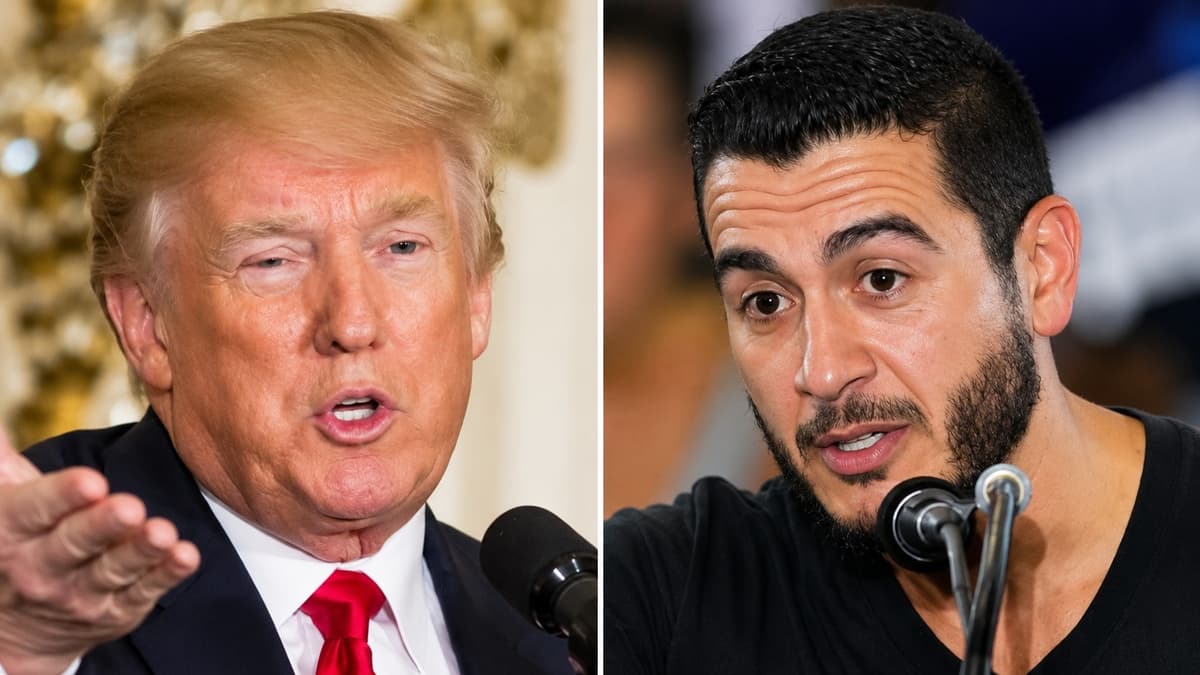
Michigan’s new senator says so plainly. Abdul El-Sayed beat Republican Mike Rogers on Tuesday after a campaign where he called it a “vanity trade war” and promised to lift the “stupid tariffs on Canada.”
“There is no economic reason why we are having a tariff war with our biggest trading partner,” he said. “This has to end.”
Read more: Michigan Senate Candidate Abdul El-Sayed Blasts Trump’s Canada Trade War
Republicans who asked for exemptions lost anyway
Michigan. Rogers once backed the tariffs, posting that “Canada must be held accountable for endangering Americans.” By the fall, his ads said: “Here in Michigan, we know that Canada is not our enemy.” He lost.
Maine. Sen. Susan Collins got Trump to drop tariffs on Canadian road salt, which Maine leans on every winter. Trump later lifted tariffs on about US$5.1 billion in goods and slapped new ones on about half that. Collins lost to Democrat Troy Jackson, who wore a button on election night that read “We can’t eat road salt!”
Kansas. Sen. Roger Marshall asked Trump to spare Bombardier, the Montreal company that builds jets in Wichita. Trump did. Marshall lost.
Tariffs weren’t the only issue on the ballot. But even Texas Republican Ted Cruz admitted the damage.
“Tariffs have made everything too expensive,” he said. “Tragically, we alienated rural America.”
How we got here
Trump’s first Canada tariffs came in 2018, on steel and aluminum. Canada hit back. Both sides dropped them in 2019, clearing the way for CUSMA, the deal that replaced NAFTA in 2020.
When Trump returned in January 2025, so did the tariffs, along with the talk of Canada as the 51st state.
This summer it got worse. On July 20, Trump announced 50 per cent tariffs on selected Canadian goods under Section 338 of the Tariff Act of 1930, a Depression-era law that lets a president punish countries found to discriminate against U.S. trade. No president had used it that way before. The White House pointed to Canada’s dairy, alcohol and auto policies.
The tariffs took effect Aug. 22 and applied even to goods covered by CUSMA. Canada answered on Sept. 8 with tariffs on about $27.6 billion of American goods. Washington kept changing its lists into October.
At an Oct. 29 rally, Trump said Canada was “learning their lesson.”
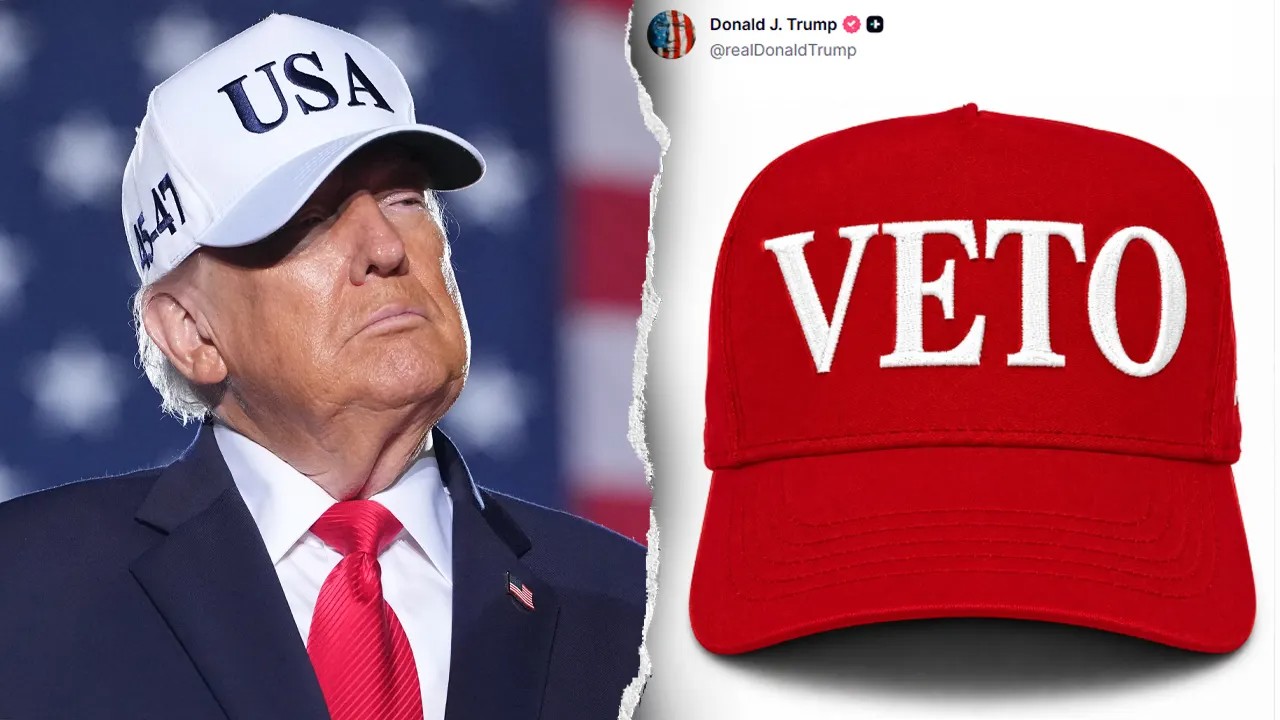
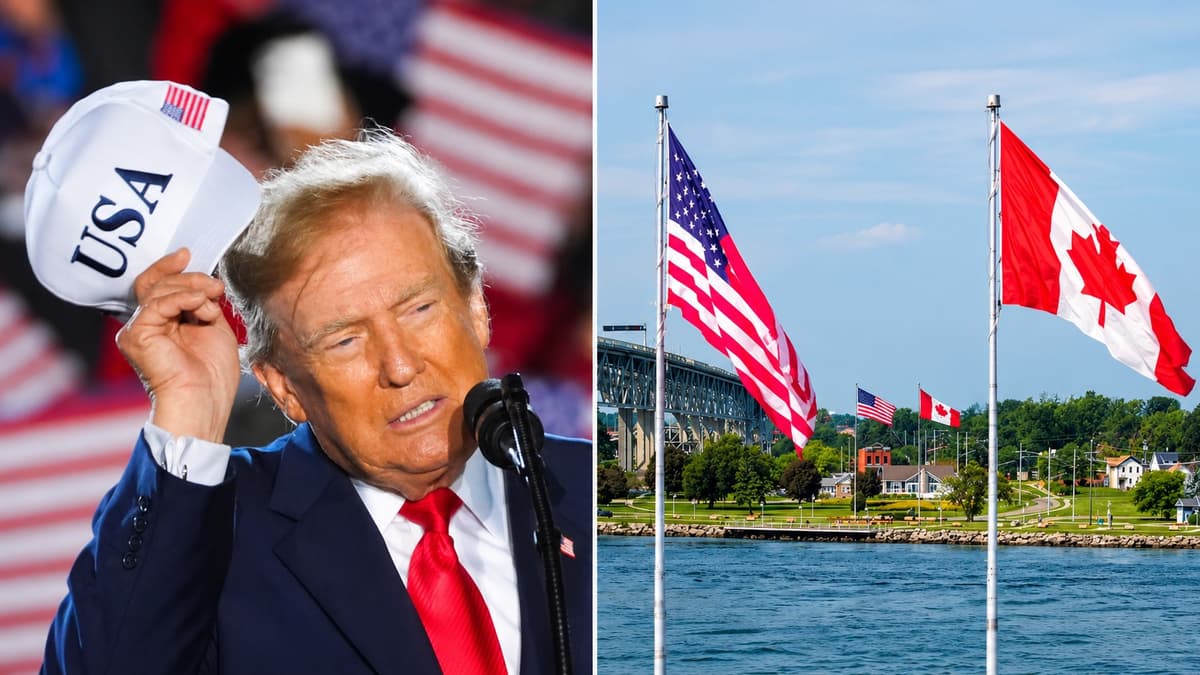
Trump’s answer: a hat that says “VETO”
The Constitution gives Congress power over tariffs. Over the decades, Congress handed much of that power to the president through laws like Section 338 and Section 232.
Democrats want to rein some of it in. House Democratic leader Hakeem Jeffries pledged Nov. 4 to repeal Trump’s tariffs within the first 100 days of the new Congress. Rep. Jamie Raskin, in line to chair the House Judiciary Committee, said restoring trade with Canada is “going to be very much on our agenda.”
Trump’s response came on Truth Social. After the results came in, he posted an image of a red MAGA-style hat with one word on it: “VETO.”
He hasn’t softened since. On Nov. 5, he told reporters that companies unwilling to build factories in the U.S. “have to pay 50%, 100%, even 300% tariffs.”
That’s the wall. Any repeal bill Democrats pass, Trump can veto. Overriding him takes two-thirds of both chambers, which means roughly 11 to 13 Republican senators and 30 to 35 Republican House members voting against their own president.
“That would be very, very difficult,” said Bill Reinsch, a trade adviser at the Center for Strategic and International Studies in Washington.
Some analysts think Canada is the one place it could work. Scott Lincicome of the Cato Institute said a veto-proof majority might come together on “some narrow things, targeting Canada, for example.”
Democrats have three tools:
A repeal bill. They could repeal the Canada tariffs, or Section 338 itself. A Democratic proposal in September would have done exactly that and refunded some of what importers paid.
Hearings. Committee chairs can put the cost of the tariffs in front of cameras every week. Yale’s Budget Lab puts the overall U.S. tariff rate at about 11 per cent, costing roughly US$1,100 per household.
Republican votes. Border and farm-state Republicans who just watched colleagues lose are now the swing votes.
Repairing ties is a separate fight
Cancelling tariffs and fixing the relationship aren’t the same thing.
Former U.S. ambassador to Canada Bruce Heyman wants Congress to go further and start a formal reconciliation process with Canada on its first day. He calls the trade war “a wound that we have inflicted upon ourselves.” That’s his proposal, not the Democrats’ plan, but it’s the question that will hang over any deal: even if the tariffs go, will Canada trust the next agreement to hold?
Even if the tariffs end, will Canadians trust Washington again?
That’s the harder problem, and the numbers show why.
In a Pew Research Center survey taken this spring, just 35 per cent of Canadians said the U.S. is a reliable partner. In 2022, 83 per cent did. Only 17 per cent of Canadians approved of Trump’s tariffs.
“Canadians hold critical views of the U.S. across nearly every measure that we’ve surveyed,” said Pew researcher Moira Fagan.
Canadians have been voting with their feet, too. They made 7.1 million fewer trips to the U.S. in 2025 than the year before, according to Statistics Canada.
A repeal bill can lower tariffs. It can’t promise the next president won’t raise them again. For Canadian businesses deciding where to build, sell and invest, that’s the part that matters most.
Ottawa isn’t waiting
Canada-U.S. Trade Minister Dominic LeBlanc said after the midterms that Ottawa’s focus “hasn’t changed.” The new Congress isn’t seated for two months, and Canada still has to deal with the administration it has.
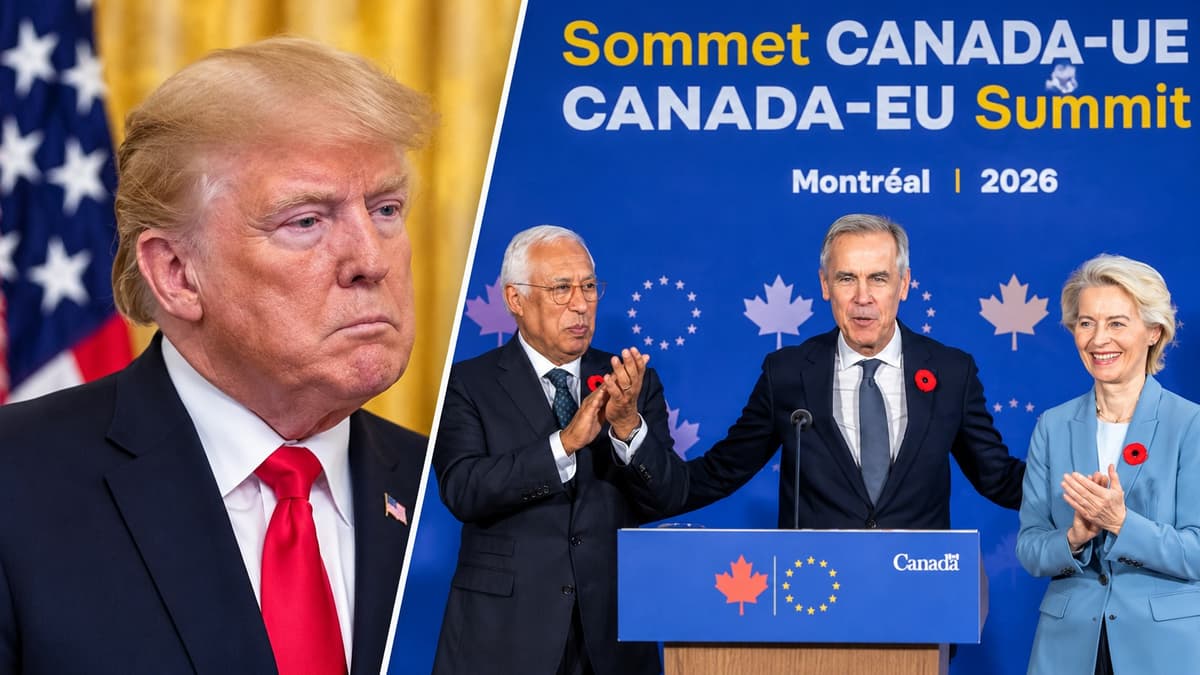
Prime Minister Mark Carney is also building elsewhere. On Oct. 30, he and European Union leaders launched an Alliance for the Future. His goal is to double Canada’s exports outside the U.S. within a decade.
What to watch
Jan. 1: Trump’s 50 per cent tariffs on Canadian cars, trucks and auto parts are scheduled to start.
Jan. 3: The new Congress is sworn in.
The first bill: Wyden is talking with colleagues about legislation. Count the Republicans who sign on.
The White House: Trump’s “VETO” hat says where he stands. The question is whether enough Republicans are willing to call his bluff.
Washington looks very different than it did a week ago. The tariffs are still there.


Comments