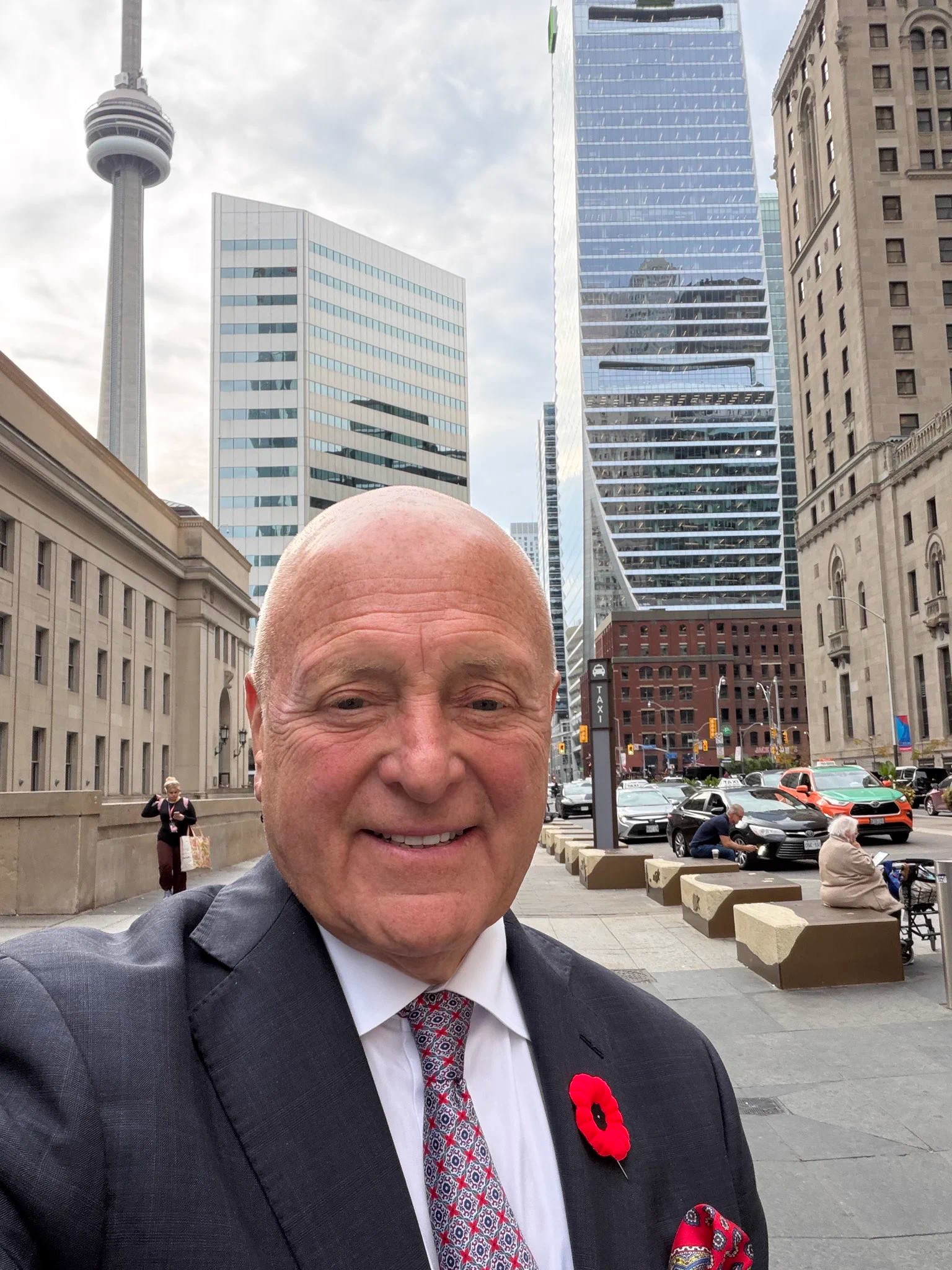
A former U.S. ambassador to Canada says Americans have damaged their relationship with their closest neighbour, and he wants the new Congress to start repairing it the day it takes office in January.
Bruce Heyman, who served in Ottawa under Barack Obama, made the appeal on CBC’s Power & Politics on Tuesday as Americans voted in the midterm elections.
“This is the beginning, the very beginning of a process where Americans can begin repairing a wound that we have inflicted upon ourselves,” Heyman said.
He then singled out Canada. “One of those important things that we need to do amongst many is repairing the trust relationship with Canada.”
By Wednesday morning, his appeal had a new audience. Democrats took control of both the House of Representatives and the Senate, ending Republican control of Congress for the last two years of Donald Trump’s term.
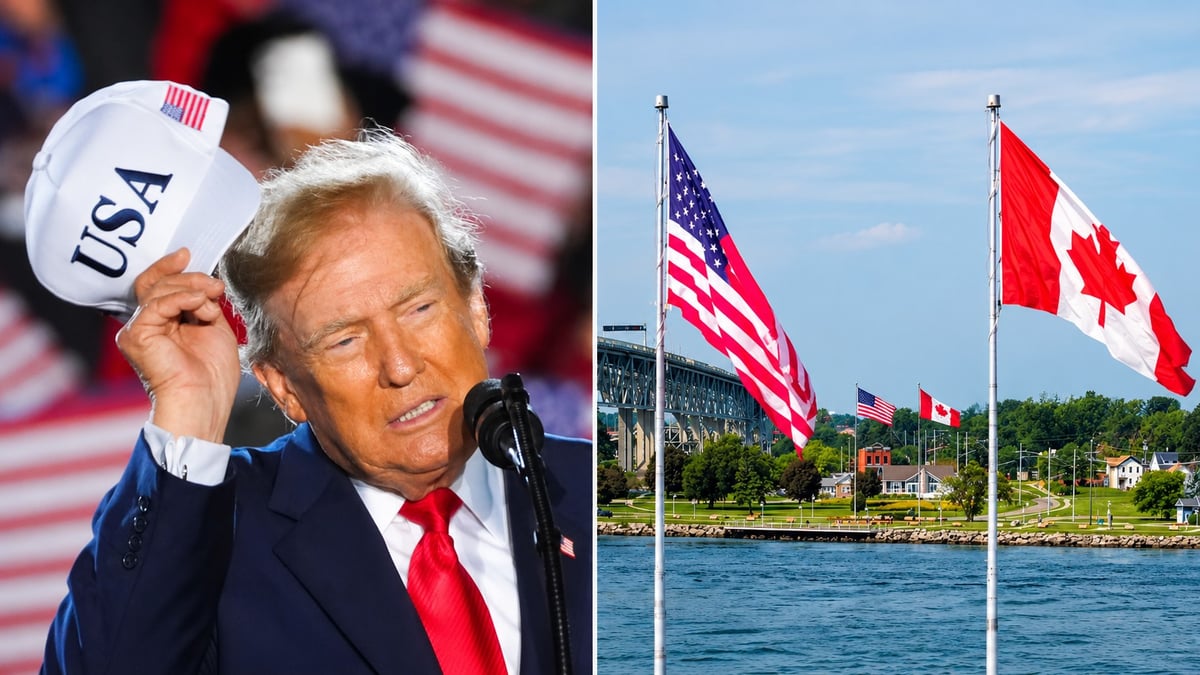
It comes after nearly two years of tariffs, repeated suggestions that Canada should become the 51st state, and a fight over the name of a Great Lake. Heyman’s point is that none of that gets fixed by a trade deal alone.
Whether Congress agrees is another question.
“I am calling on this new Congress”
Heyman’s appeal wasn’t limited to ending the trade war.
“I don’t think we should underestimate the importance of today,” he said. Then came the demand.
“As the former U.S. ambassador to Canada, I am calling on this new Congress to begin immediately a formal reconciliation process with Canada. I think that that needs to begin almost the first day they come into office in January.”
He didn’t say what that process would look like. No committee, no resolution, no request for an apology from Trump, and no sign Canadian officials have been asked to take part. It’s a public appeal from a former diplomat, not a government initiative.
Still, the language is unusual. Former ambassadors tend to call for better deals. Heyman is calling for something closer to amends.
Who is Bruce Heyman?
Heyman was U.S. ambassador to Canada from April 2014 to January 2017. Before that, he spent more than 30 years at Goldman Sachs, where he was a partner.
He’s a Democrat, and an active one. He co-chaired the Biden campaign’s overseas voter effort in 2020 and backed Biden again in 2024. After Ottawa, he co-chaired the advisory board of the Canada Institute at the Wilson Center in Washington. In 2024 he became CEO of Power Sustainable, a renewable energy asset manager owned by Montreal’s Power Corporation.
He and his wife, Vicki, wrote The Art of Diplomacy, a 2019 book about the Canada-U.S. relationship.
So he knows the file, and he’s on the other side of the aisle from the president. Readers can weigh both.
From the 51st state to Lake America: how it got this bad
Tariffs started the fight. They aren’t what made it personal.
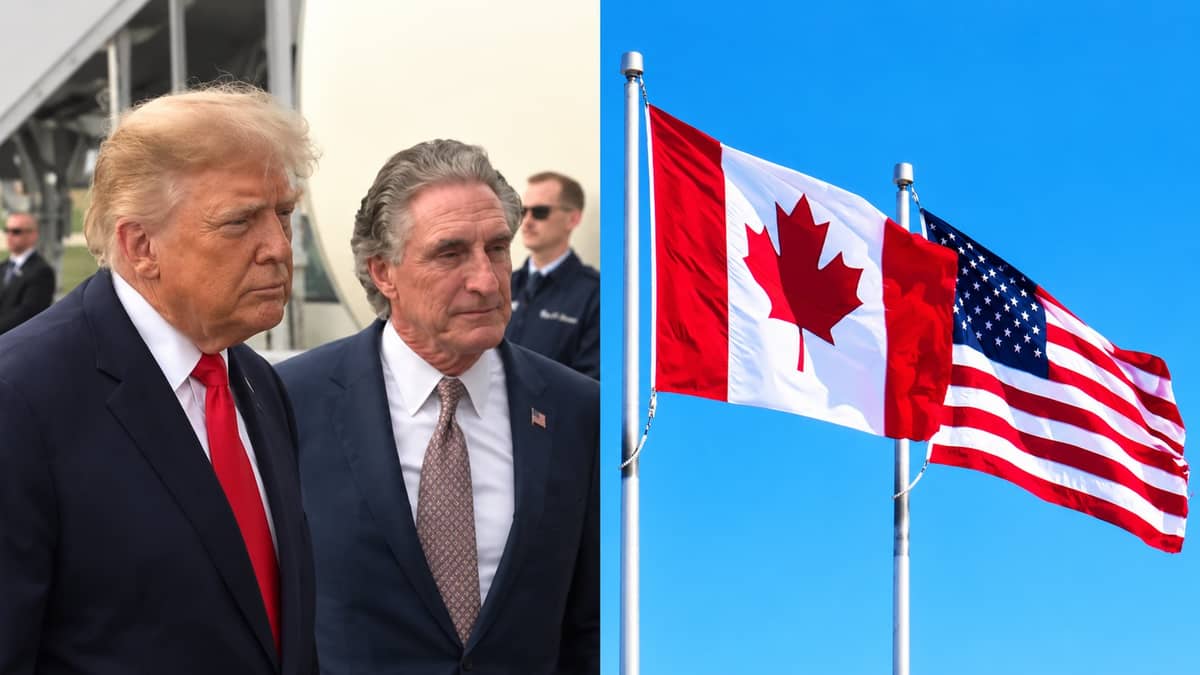
Trump has said again and again that Canada should become America’s 51st state. At a rally in Bullhead City, Arizona, on Oct. 14, he said Canada “will end up being the 51st state because it’s the only way it works,” and compared it to Greenland. “We don’t need them, but they need us.”
Read more: Trump Says Canada Will Become 51st State: “We Don’t Need Them, But They Need Us”
Six days later in Kansas, he said Canada could keep hockey and O Canada as a state anthem. Then he said he was kidding.
Even the Great Lakes got pulled in. Trump’s administration now refers to Lake Ontario as “Lake America,” and the name turned into a cross-border spectacle in September when the CEO of a Michigan credit union posted an AI-altered photo of Americans heading to Halifax in matching “Lake America” sweatshirts. Family First Credit Union’s board said it “unequivocally disapproves and rejects” the post. Within a week, CEO Jane Smith was no longer with the company. The credit union never said whether she resigned or was fired.
Read more: CEO Behind Viral AI “Lake America” Photo Is Out at Michigan Credit Union
A sweatshirt photo is small next to steel tariffs. But it shows how far the dispute has spread from trade tables into everyday life. And it shows up in the numbers. Canadians made 7.1 million fewer trips to the U.S. in 2025 than the year before. An AP-NORC poll in late September found just 26 per cent of Americans call Canada a close ally, down from 62 per cent in 2023.
That’s the wound Heyman is talking about.

Trump says Canada is “learning their lesson”
The gap between Heyman’s message and the president’s is hard to miss.
“Canada is learning their lesson,” Trump told a rally in Rock Hill, South Carolina, on Oct. 29. “Now we put tariffs on them, and they’re treating us extremely nicely lately.”
He also said the U.S. “lost $90 billion last year with Canada.” His own trade office says otherwise. The Office of the U.S. Trade Representative puts the 2025 goods deficit with Canada at US$48.3 billion, and the overall gap closer to US$20 billion once services are counted. A deficit isn’t money lost, either. It’s the difference between what each country buys from the other.
Trump’s version: the tariffs are working and Canada is coming around. Heyman’s version: America hurt itself. Those can’t both be the story of the last two years.
The sitting ambassador, Pete Hoekstra, was reported to have told a closed-door meeting that Ottawa could be blamed if key midterm races went against Trump. The U.S. Embassy said the comments were “grossly taken out of context.”
Democrats won Congress. Can they change anything?
Some things. Not everything.
Trump is still president, and the White House holds most of the power over tariffs and trade talks. He also has the veto, and has threatened to use it. Legislation needs his signature or enough votes to override him.
What a Democratic Congress can do is hold hearings, investigate, pass bills and make the cost of the tariffs a public argument. It can also make life uncomfortable for the administration in states that trade heavily with Canada.
Even some Republicans had started breaking ranks. Shortly before the vote, Trump shifted some tariffs after Maine Senator Susan Collins said she’d secured exemptions for some Canadian products. Maine’s Senate seat still went to the Democrats.
James Blanchard, who was ambassador under Bill Clinton, said a Democratic win would be “good for Canada-U.S. relations,” but noted a bipartisan resolution condemning the Canada tariffs had passed earlier with few Republicans willing to defy Trump.
The new Congress isn’t seated until January. For the next two months, nothing structural changes, and no reconciliation process exists. Heyman wants one. Nobody in Congress has said yes.
Ottawa: “Our focus hasn’t changed”
Canada’s government isn’t treating the result as a turning point, at least not in public.
“We congratulate those who were elected but our focus hasn’t changed,” Canada-U.S. Trade Minister Dominic LeBlanc told reporters Wednesday. He listed affordability, major projects, strengthening the economy and diversifying trade.
He also pointed out the obvious. “The people elected to the United States Congress last evening won’t be seated until January. What the new Congress might decide to do when they’re seated two months from now is an interesting discussion. That’s not going to change the work that we have to do in the next two weeks.”
That work is with the Trump administration. Formal talks had been stalled since Canada walked away from negotiations in Washington in August. Carney said Tuesday they’ve resumed.
“They’re asking less and they’re offering more, but we’re not quite there,” Carney said. “There are other important issues on which we still need to make progress.”
LeBlanc rejected the idea that Canada’s counter-tariffs were aimed at Republicans in battleground states. The goal, he said, was protecting Canadian jobs.
Conservative Leader Pierre Poilievre wants Ottawa to press harder. “We’ve got to use that goodwill to pressure for tariff-free trade,” he said.
Canada is already building relationships elsewhere
Ottawa isn’t waiting for Washington.
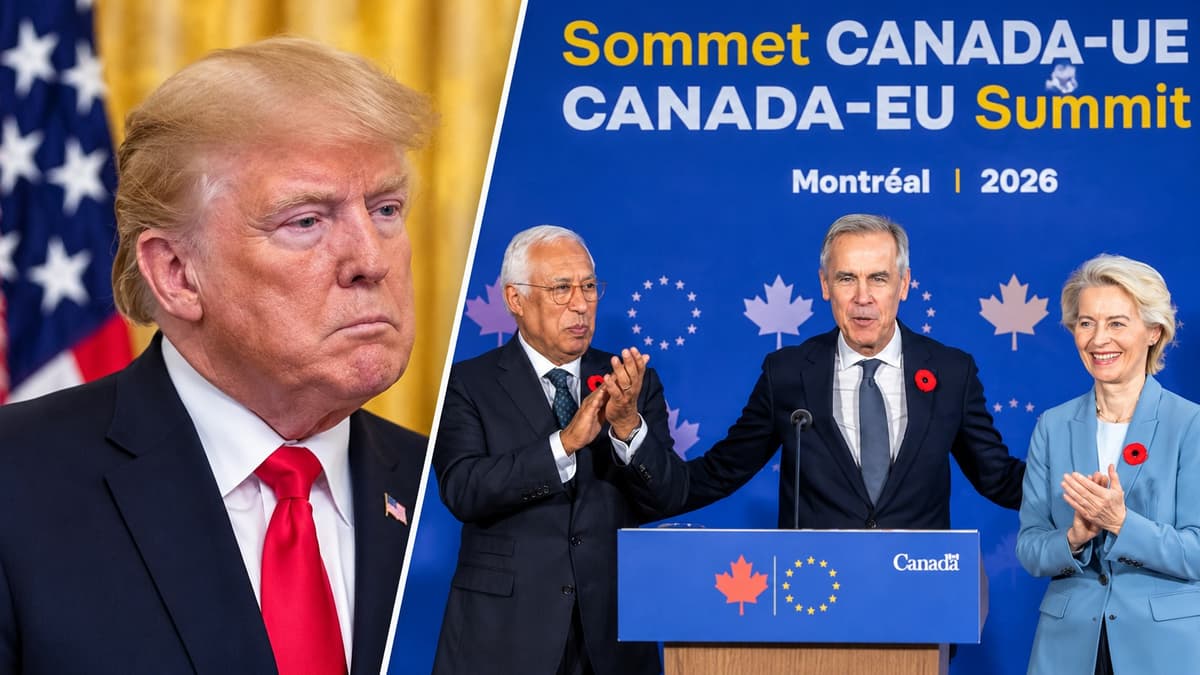
On Oct. 30, Carney stood with European Union leaders in Montreal to launch the Alliance for the Future. “We are building an Alliance for the Future. And we start with Canada,” European Commission President Ursula von der Leyen said.
Carney has set a goal of doubling Canada’s exports outside the United States within a decade.
That’s not Canada quitting the U.S. market. The two economies are too tangled for that. Oil, electricity, cars, crops and parts cross the border every day. But a Canadian company that spent 2026 finding customers in Europe isn’t going to drop them when the tariffs lift.
That’s the part Washington can’t undo with a signature. Restoring the old relationship may be harder than reversing the policies that broke it.
The trade war cost Republicans in border states
The clearest evidence the trade war hurt Trump politically came from Michigan, where cars and parts cross the border several times before a vehicle is finished.
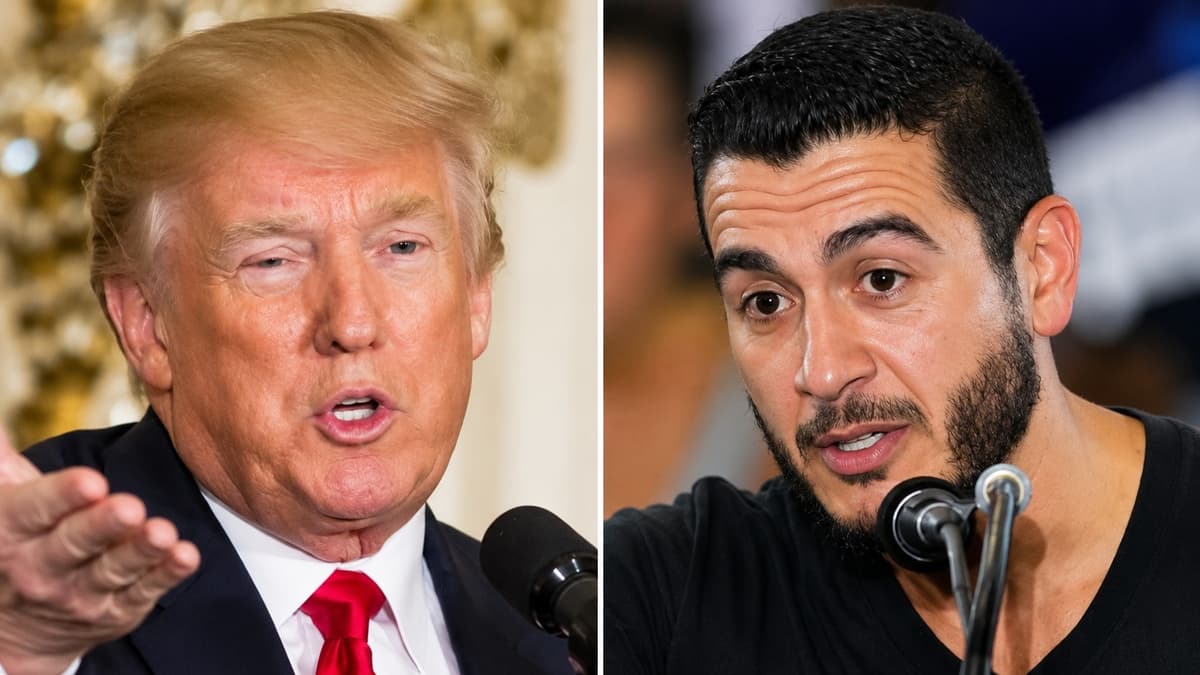
Democrat Abdul El-Sayed won the state’s Senate seat after a campaign in which he said, bluntly, “if you’re in a trade war with Canada, it’s because you’re the asshole.” His Republican opponent, Mike Rogers, ran an ad saying “Canada is not our enemy. We need to end this tariff war now.” Both wanted it over. Only one was running against the president’s party.
Read more: Michigan Senate Candidate Abdul El-Sayed Blasts Trump’s Canada Trade War
Obama made the same point in Detroit on Oct. 24. “They’re so nice,” he said of Canadians. “And somehow we’ve gotten them so mad.”
Read more: Barack Obama Mocks Trump’s Trade War With Canada
Canadian premiers weren’t shy about reading the result. Saskatchewan’s Scott Moe said it was “due at least in part to the impact of those harmful tariff policies.” Manitoba’s Wab Kinew called it “a resounding rejection of the President’s actions over the past two years.”
Heritage Minister Marc Miller was more careful. “The Americans have their reasons for what they did yesterday, and I think that’s their choice.”
What would reconciliation mean?
Heyman didn’t offer a blueprint. But the difference between ending a trade war and rebuilding trust is real.
A tariff deal lowers costs. It steadies supply chains. It calms things between the two governments.
It doesn’t erase the 51st-state comments, which were about Canada’s sovereignty, not steel. It doesn’t erase Lake America. And it doesn’t fix the deeper problem for Canadian businesses: two years of rules that changed without warning.
Hearings, legislation, direct engagement with Canadian officials. Those are things Congress could do. Nobody has agreed to any of them.
What happens next
The new Congress takes office in January 2027. Heyman wants Canada on the agenda on day one.
Until then, Carney’s government is negotiating with the Trump administration while building its European ties. Trump hasn’t called off the trade war. Congress hasn’t committed to anything. Ottawa says the election doesn’t change its position.
What Heyman has done is name the problem differently. Not a tariff dispute. A broken trust.
The two countries will probably sign another trade deal eventually. The harder question is whether Canadians will believe Washington means it.




Comments