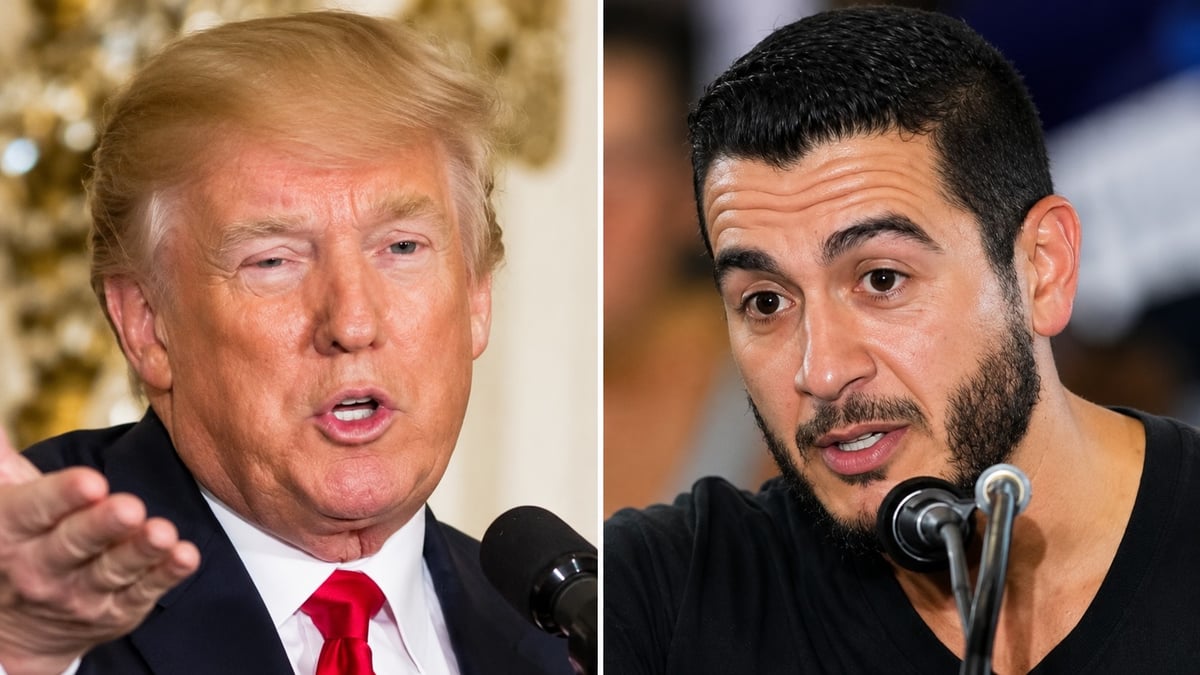
Michigan Democratic Senate candidate Abdul El-Sayed has a blunt take on Donald Trump’s trade war with Canada.
“Canadians are nice people,” El-Sayed told supporters at a campaign rally in the final days of the race. “Only people in the world who apologize before they even did anything. It’s like you meet a Canadian, they greet you with, sorry.”
Then came the line that’s now all over social media.
“So, if you’re in a trade war with Canada, it’s because you’re the asshole,” he said. “I hate to say it.”
Michigan votes today, Nov. 3, in one of the closest Senate races in the country. And Canada has become part of the campaign.
What El-Sayed said about prices
The Canada joke came at the end of a speech about the cost of living.
El-Sayed blamed Trump’s policies, not his own background, for high prices. “My name and my faith are not the reason we can’t afford our gas,” he said. “My name and my faith are not the reason we can’t afford our groceries, not the reason we can’t see a doctor.”
El-Sayed is a physician. “I mean, if you’re seeing a doctor, they might actually have my name and my faith,” he said.
He blamed the U.S. war with Iran, which he called “illegal, immoral,” for raising gas prices and, through diesel costs, grocery prices. “It is their Canadian tariffs,” he added.
Those are El-Sayed’s arguments. How much tariffs or the war have added to prices in Michigan is a separate question that economists still argue about.
Why he’s talking about his faith
El-Sayed was born in Michigan to Egyptian immigrant parents and is Muslim. If he wins, he’d be the first Muslim U.S. senator.
Trump has repeatedly called him by his middle name, “Mohammed,” and urged voters to reject candidates like him to “preserve our religion, our values, and our heritage.” El-Sayed has called those attacks a distraction from prices.
His opponent wants the trade war over too
Here’s the surprising part: on Canada, the two candidates aren’t that far apart.
Republican Mike Rogers, a former congressman, has broken with Trump on the issue. In an October campaign ad, Rogers said: “Here in Michigan, we know that Canada is not our enemy. We need to end this tariff war now.”
Rogers has pitched his ties to Trump as the way to get it done. “As Michigan Senator, I’ll bring both parties together to lower your prices,” he said in the ad. Earlier in the campaign, he called Trump’s tariffs “necessary” but “not a one-size-fits-all solution.”
El-Sayed’s campaign calls that a flip-flop. It accuses Rogers of cheering on the tariffs for months before the polls turned. A New York Times/Siena poll this fall found nearly 70% of Michigan voters disapprove of the trade war.
Why the trade war hits Michigan hard
Canada is Michigan’s biggest export market. The Detroit-Windsor crossing is one of the busiest trade links in North America, and Michigan’s auto plants depend on parts that can cross the border several times before a vehicle is finished.
Industry leaders have warned that a long trade war could cost jobs. That’s why the tariffs have become a campaign issue in a state Trump won.
How we got here
July: Trump announced new tariffs on Canadian goods.
August: 50% tariffs took effect on a long list of Canadian products, from wine to hockey sticks, on top of tariffs of up to 50% on steel and 25% on autos.
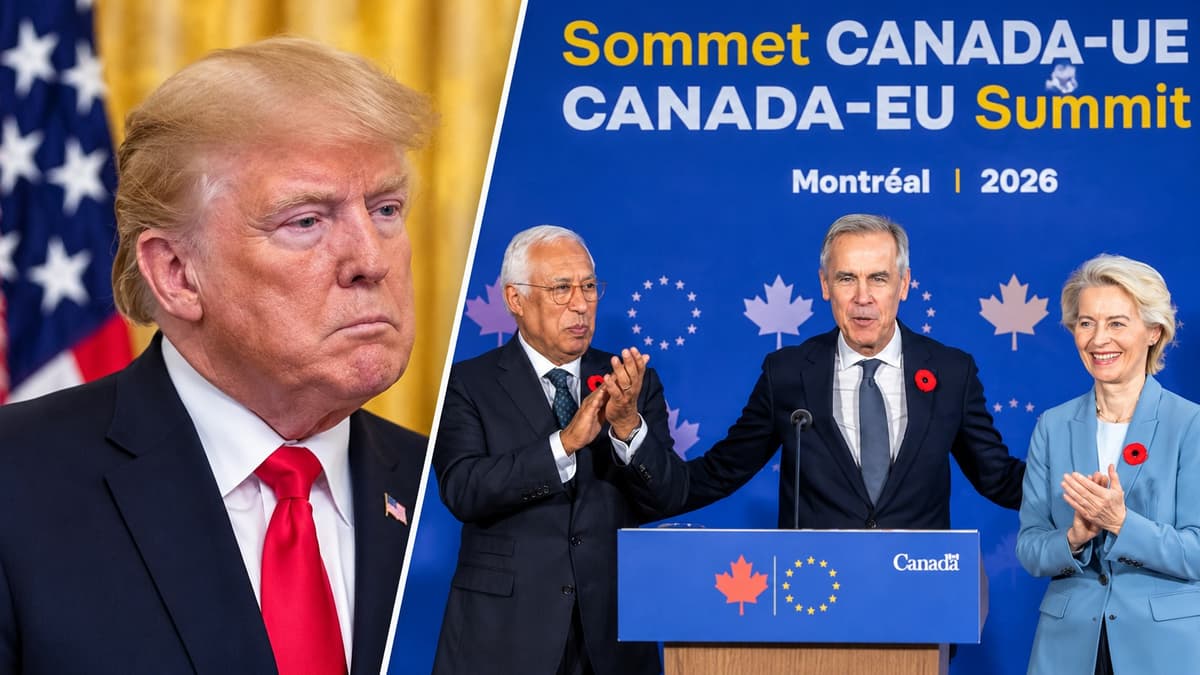
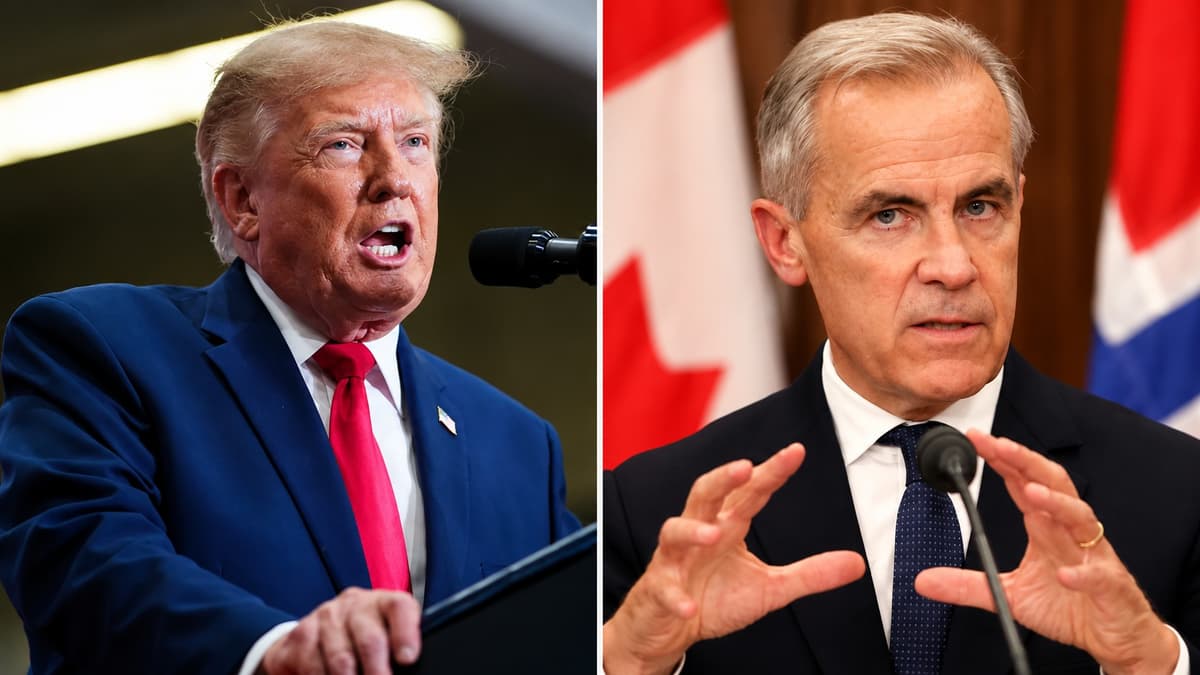
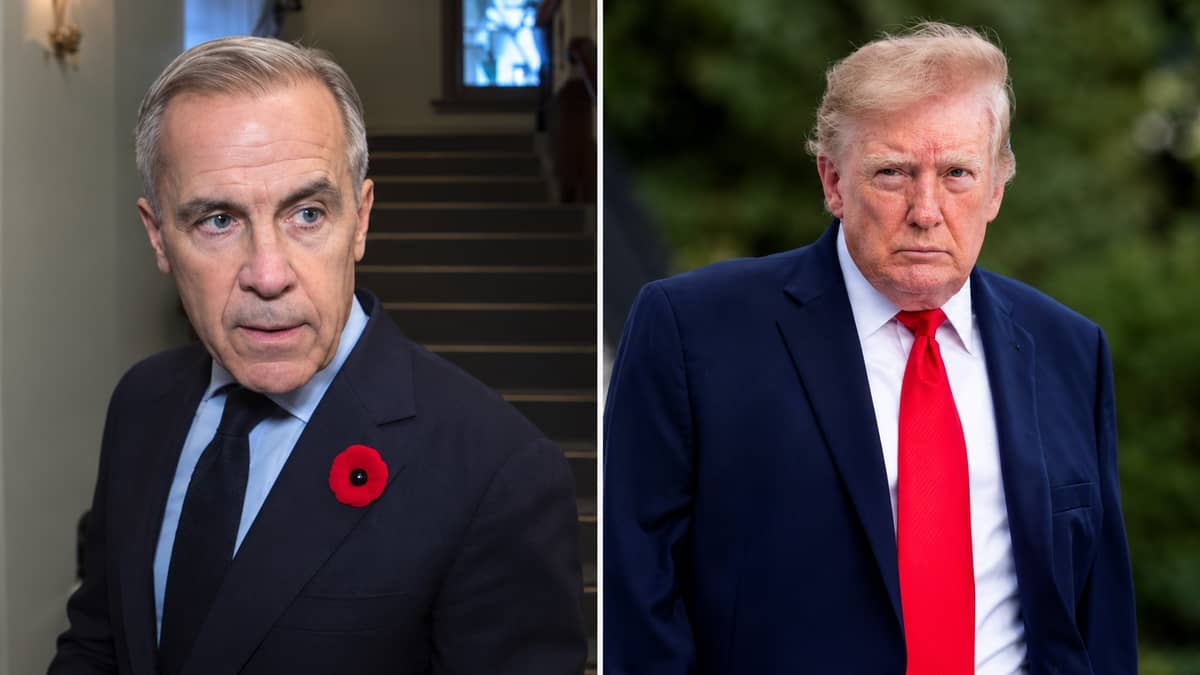
Aug. 22: talks fell apart. “They asked too much, and they offered too little,” Mark Carney said. Canada answered with dollar-for-dollar counter-tariffs.
Sept. 30: Trump said Canada was being “taught a little lesson.”
Oct. 7: Rogers broke with Trump: “Canada is not our enemy. We need to end this tariff war now.”
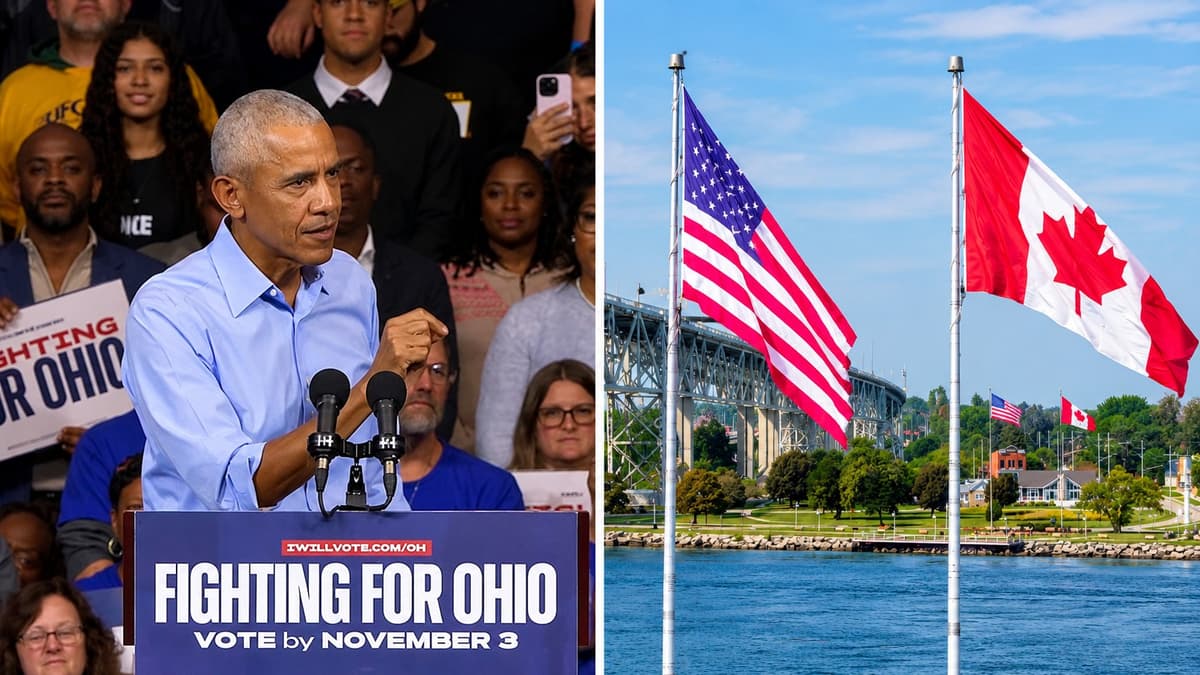
Oct. 24: Barack Obama, campaigning in Detroit, joked that Canadians are “so nice. And somehow we’ve gotten them so mad.”
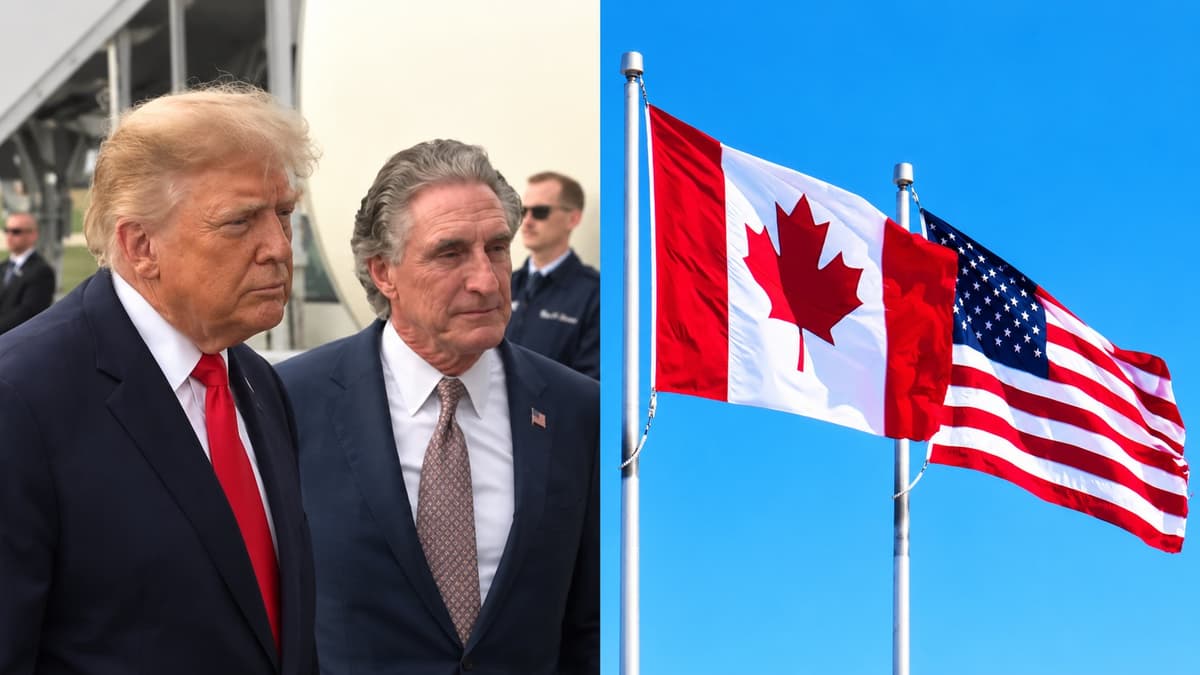
Oct. 25: In Port Huron, Mich., Trump said Canada was “willing to give us anything.”
Oct. 28: U.S. Ambassador Pete Hoekstra reportedly warned that Canada could be blamed if Republicans lost in Michigan and Maine.
Nov. 1: Trump said the two countries have “the concept” of a trade deal. Carney confirmed a “good conversation,” but no deal has been announced.
The tariffs and the counter-tariffs are still in place as Michigan votes.
Read more: Trump Says Canada Is “Willing to Give Us Anything” as He Predicts Trade War Will End “Pretty Soon”
A tight race, with Canada watching
The seat is open because Democratic Sen. Gary Peters decided not to run again. Rogers narrowly lost Michigan’s other Senate race in 2024.
Polls have had it close. A Fox News poll in late September had El-Sayed at 50% and Rogers at 49%, within the margin of error. The result could help decide which party controls the U.S. Senate.
When will we know who won?
Polls in most of Michigan close at 8 p.m. ET, which is 6 p.m. in Alberta. We’ll update this story when the race is called.
Sources
Abdul El-Sayed, campaign rally remarks, video, November 2026
Abdul El-Sayed for Senate: statement on Mike Rogers and the Canada trade war (Oct. 7, 2026)
Mike Rogers on X: campaign ad on the Canada tariff war (October 2026)
Office of the U.S. Trade Representative: Canada trade summary
Comments