A Calgary stone supplier has been ordered to pay $350,000 toward workplace safety initiatives after a worker was fatally injured in an incident involving marble slabs at a warehouse in the city.
The sentence was imposed in the Alberta Court of Justice following a prosecution under Alberta's Occupational Health and Safety (OHS) legislation. Rather than directing the money to general government revenue, the court ordered the funds toward a workplace safety project that will provide portable virtual reality forklift training simulators and support safety education for workers who speak English as a second language.
The case stems from a workplace incident in which a worker was crushed by falling marble slabs while performing duties at the company's Calgary facility.
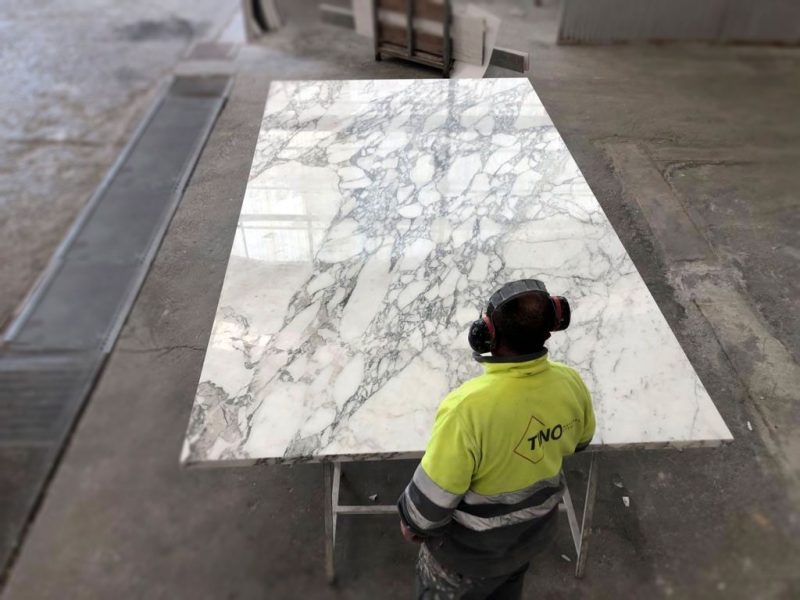
Stone slabs used in construction and interior finishing can weigh hundreds of kilograms each. Marble, granite, and quartz slabs are commonly stored upright on steel A-frame racks to maximize storage space and allow equipment access. While widely used throughout the industry, the storage method requires strict controls because a shifting slab can create an immediate crushing hazard.
According to court records, the worker was carrying out routine workplace duties when the incident occurred. The slabs tipped and fell, causing fatal injuries.
Following an investigation, Alberta Occupational Health and Safety laid charges against the employer. The matter eventually resulted in a conviction under the province's workplace safety legislation.
While several more specific allegations were withdrawn during the court process, the employer was convicted on a broader duty-related count tied to its obligation to ensure worker health and safety.
The outcome is notable not only because of the conviction itself, but because of how the penalty will be used.
Funding Safety Instead of General Revenue
The court ordered the company to contribute $350,000 through what is known as a "creative sentence."
Creative sentencing has become an increasingly common feature of Alberta workplace safety cases. Rather than directing all penalties to government revenue, courts can require employers to fund projects that improve workplace safety, worker education, research, or public awareness.
The goal is to create a lasting safety benefit that extends beyond a single workplace and helps prevent similar incidents elsewhere.
In this case, the funding will support the purchase and deployment of portable virtual reality forklift training simulators in partnership with Alberta Workforce Essential Skills. The program will also place a particular focus on workers who speak English as a second language.
Safety professionals have long identified language barriers as a workplace risk in industries that rely heavily on newcomers and immigrant workers. Technical instructions, hazard assessments, and equipment training can be less effective when workers are expected to understand complex safety information delivered only in English.
Supporters of VR-based training argue that immersive simulations can help workers better understand hazards by allowing them to experience realistic workplace scenarios in a controlled environment without exposing them to actual danger.
A Hazard Seen Across Multiple Industries
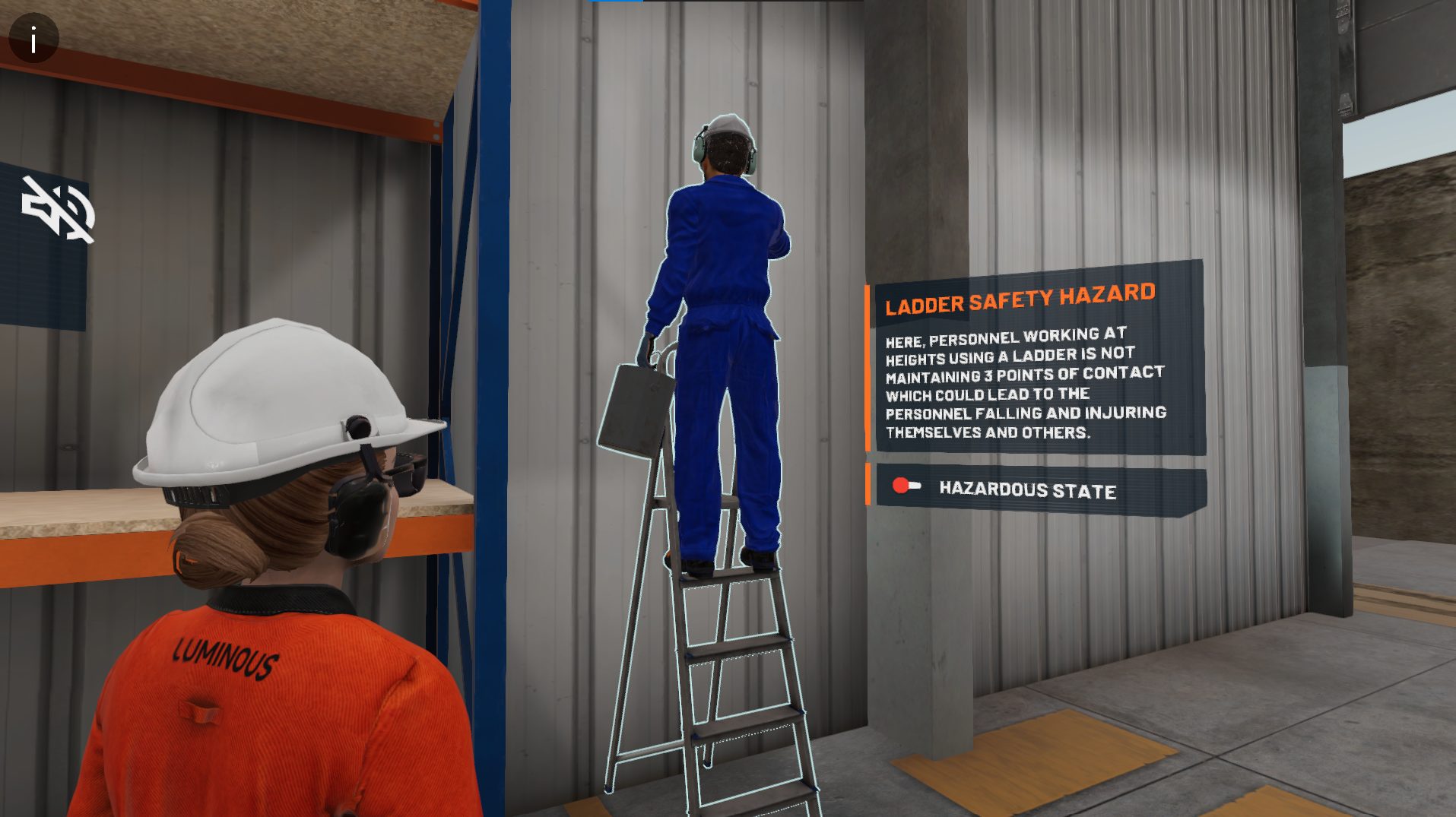
While the incident involved marble slabs, the underlying hazard is not unique to the stone industry.
Workers across Alberta are routinely exposed to crushing risks involving heavy materials, industrial equipment, storage racks, vehicles, and suspended loads. Occupational health and safety investigations frequently focus on whether employers identified these hazards, implemented proper controls, and ensured workers were adequately trained.
Transportation incidents remain one of the leading causes of workplace fatalities in Alberta, but deaths involving falling objects and crushing hazards continue to occur across manufacturing, warehousing, construction, and resource industries.
The fatal Calgary incident serves as a reminder that serious workplace injuries often occur during routine tasks rather than unusual or emergency situations.

Part of a Broader OHS Enforcement Trend
The sentence also fits within a broader pattern of Alberta courts using creative sentencing to fund workplace safety initiatives.
In recent years, courts have directed OHS penalties toward safety research, educational campaigns, industry training programs, and other initiatives intended to reduce workplace injuries and fatalities.
Supporters say the approach allows enforcement actions to produce practical benefits that reach workers across multiple industries. Critics argue that penalties must still maintain a meaningful deterrent effect.
In this case, the court determined that directing funds toward advanced safety training technology and worker education would provide a broader public benefit while still holding the employer accountable under Alberta's workplace safety laws.
For the family, friends, and coworkers of the worker who died, the sentence comes years after a tragedy that began with an ordinary day at work.
The hope behind the court's decision is that the training and safety programs funded by the sentence will help prevent another worker from suffering the same fate.
Sources:
Government of Alberta news release — Materials supplier fined for workplace fatality, June 2, 2026 (alberta.ca)
Occupational Health and Safety Act, RSA 2000, c. O-2
Manufacturers' Health and Safety Association — About MHSA (mhsa.ca)
LX Hausys Canada — Company profile (lxhausys.ca)









Comments
Conversation