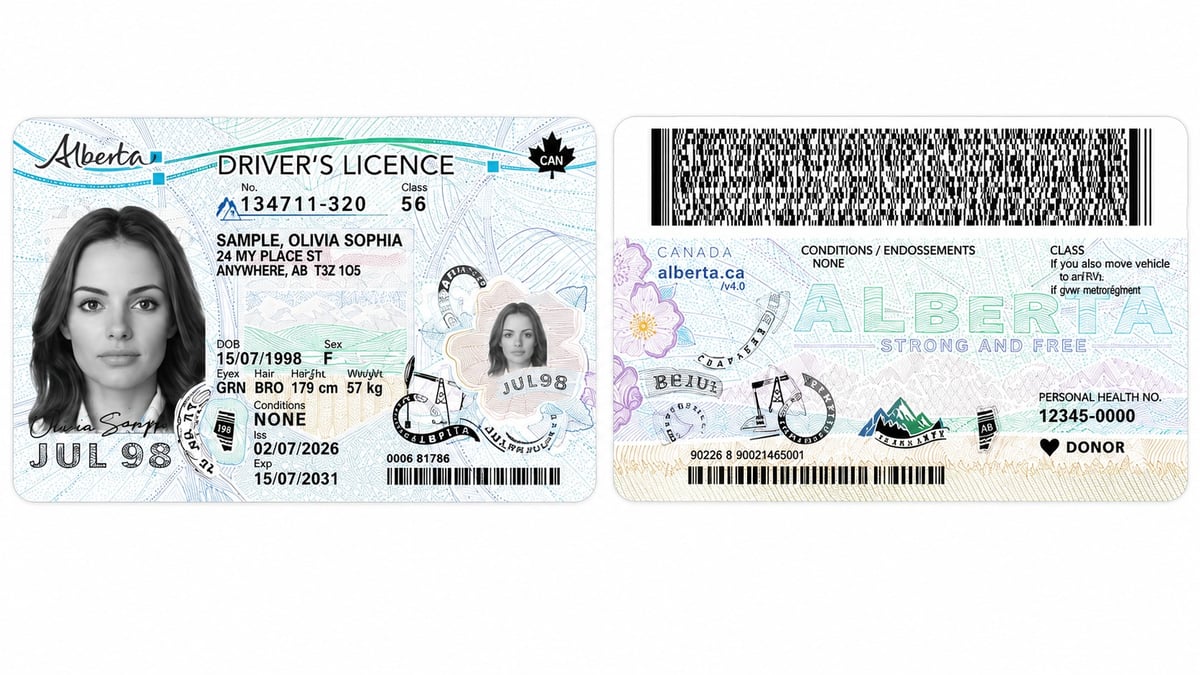
Starting July 2, your Alberta driver's licence becomes three things at once: proof of identity, proof of citizenship status, and your health card.
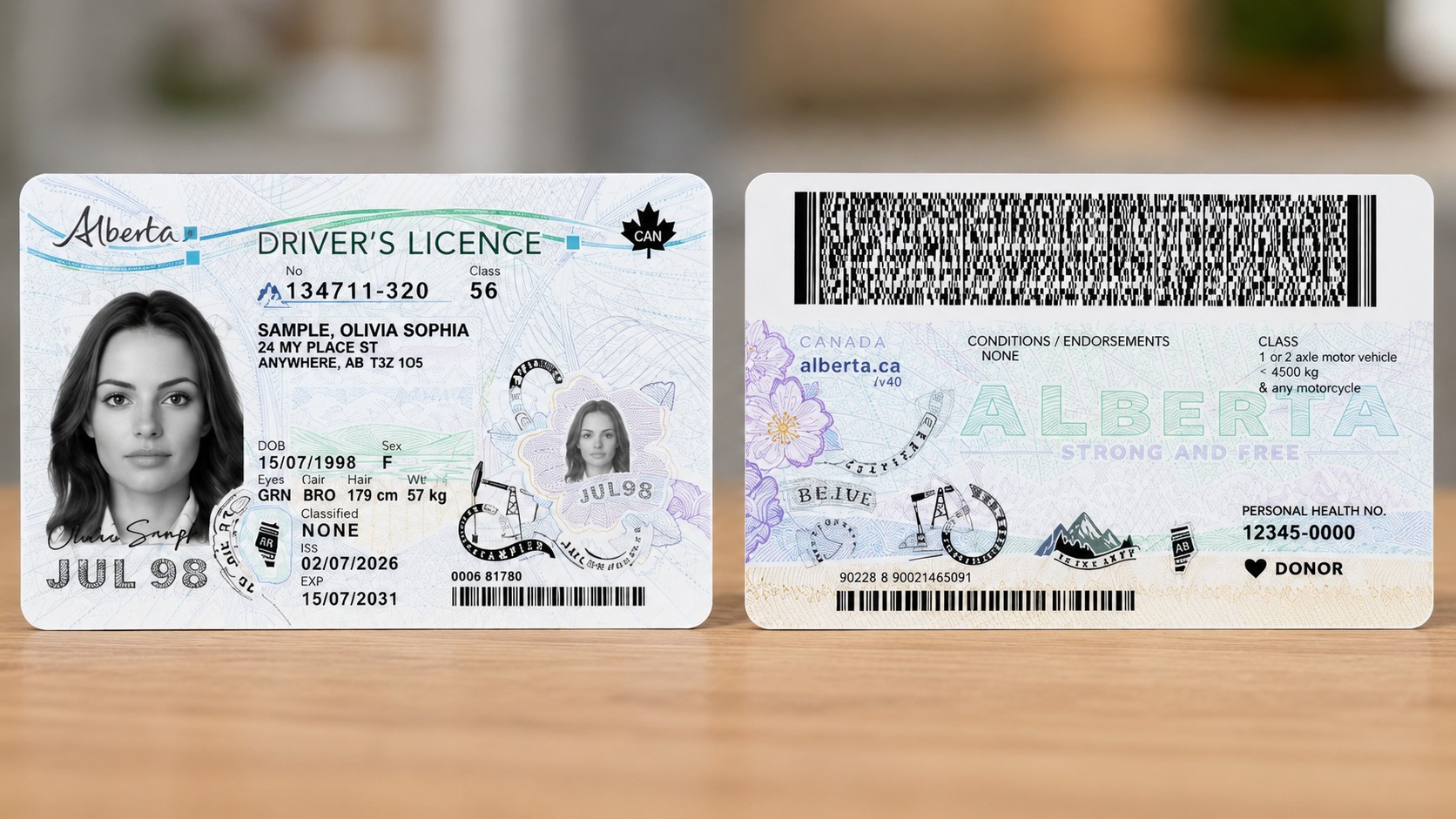
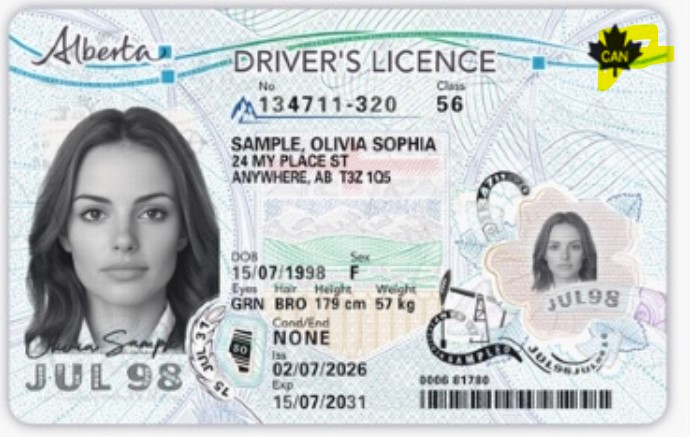
The province announced June 3 that new and renewed driver's licences and provincial ID cards will carry a personal health number on the back and a "CAN" marker in the top right corner for Canadian citizens. The paper Alberta Health Care card will eventually be eliminated.
This applies to anyone who applies for or renews a card after July 2. Existing cards stay valid until renewal.
Why the province says it is doing this
The province has given two reasons for the change. The first is convenience. Albertans currently need multiple pieces of ID to access health services, apply for government benefits, and prove citizenship. One card handles all of it.
The second is fraud. Alberta Health found there are more than 530,000 Alberta health care numbers in circulation than there are people living in the province. "In the fall of 2026, we will now know who has Alberta health care cards," said Service Alberta Minister Dale Nally when the change was first announced. "There won't be half a million fake ones, which opens up the door for abuses."
The citizenship marker is also intended to protect against election fraud, according to Premier Danielle Smith.
What the new card actually looks like
The redesigned driver's licence features Castle Mountain and the Bow River in Banff National Park. The ID card features Alberta's provincial flower, the Wild Rose. Both cards include an Albertosaurus a dinosaur whose name honours Alberta, where its remains were first discovered laser-engraved to create a 3D effect that can be felt on the surface.
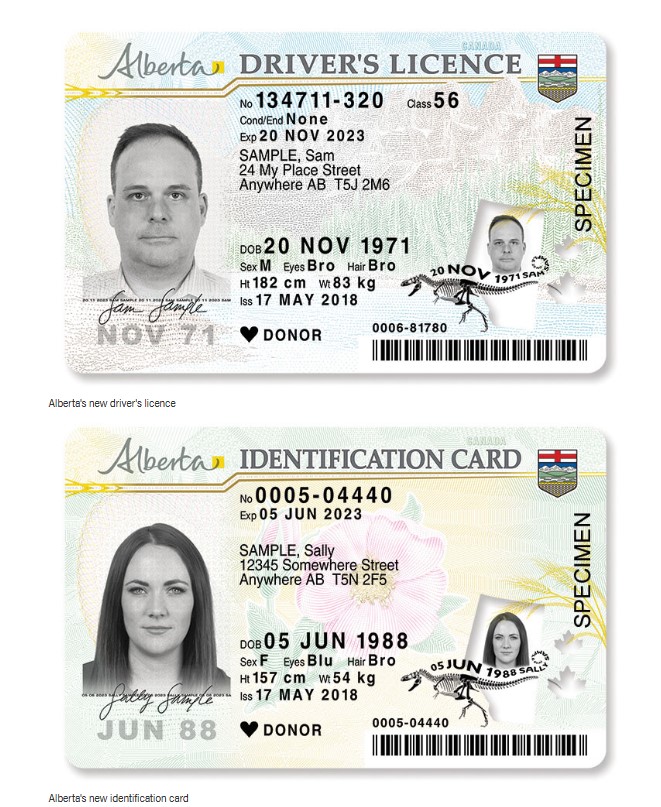
The province describes it as the first card in North America to combine this specific combination of design and security features.
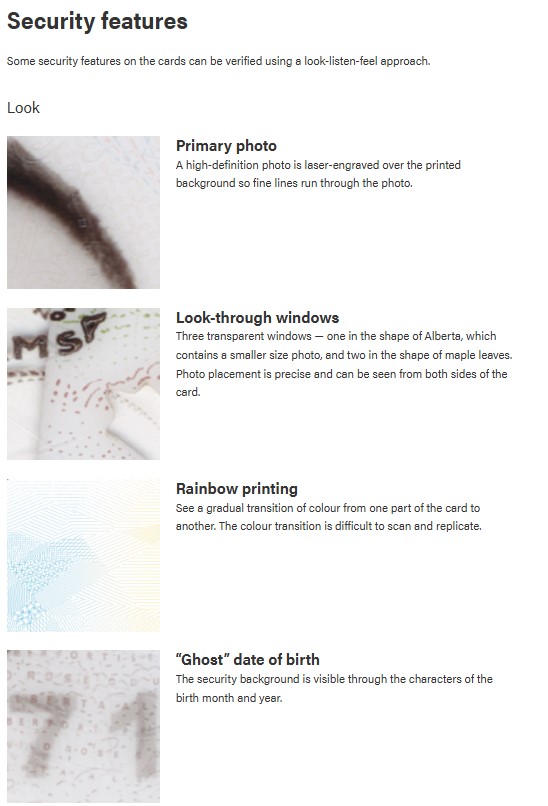
Security features include a high-definition photo laser-engraved over the printed background, three transparent look-through windows — one shaped like Alberta containing a smaller photo, and two shaped like maple leaves rainbow printing that transitions colour in a way that is difficult to scan or replicate, a ghost date of birth visible through the security background, raised text on the licence number, date of birth, and expiry date, and an embossed Alberta shield.
The cards are also less expensive to produce than the previous design despite the additional features.
What the privacy commissioner said
Alberta's Information and Privacy Commissioner Diane McLeod raised concerns about the health number integration before the policy was finalized.
"Personal health numbers of Canadians are a sought-after commodity on the dark web due to our publicly funded health-care system," McLeod wrote in a letter to government in December 2025. She warned that putting health numbers on driver's licences, which are shown in far more settings than a health card, increases the risk of those numbers being obtained outside of health care settings. If someone's health number is used fraudulently, the wrong health information could end up in their medical record.
The province said Service Alberta and other non-health ministries will not be authorized to use the health number information for other purposes, and that all departments must maintain personal health information in accordance with provincial privacy legislation.

What the "CAN" marker means
Alberta is the first province in Canada to make a citizenship marker mandatory on driver's licences and ID cards.
Canadian citizens get "CAN" in the top right corner of their card. Permanent residents, temporary residents, work permit holders, international students, and others do not get the marker. Their licence or ID card still shows their driving status and identity but does not indicate citizenship.
If you do not have Canadian citizenship, you can still get an Alberta driver's licence or ID card. A one-time 60-day grace period may also be available if you need additional time to obtain the required documents.
What you need to bring when you renew
When you go to a registry agent after July 2, bring three things:
Your current Alberta Health Care card. Valid ID. Proof of legal entitlement to be in Canada, such as a Canadian birth certificate, passport, or citizenship certificate.
Registry agents verify health care eligibility in person, including for dependent family members.
The two-phase rollout
Phase One begins July 2. All applicants confirm legal presence in person. Citizens get the "CAN" marker. Citizens and permanent residents with AHCIP coverage get health numbers on the back. Youth aged 12 to 13 may receive a free ID card with an integrated health number.
Phase Two, with no confirmed start date, expands health number integration to all remaining eligible Albertans with AHCIP coverage. Children under 14 will be able to get a free ID card with a health number, with the option to include a photo and signature.
Fees are not changing.
What this costs
The new cards cost the province approximately $1 million per year more than the current system, an increase of roughly 75 percent over current costs. That cost is covered by the province, not passed to Albertans through increased fees.
Sources:
Government of Alberta news release, One card. That's it., June 3, 2026 (alberta.ca)
Alberta Information and Privacy Commissioner Diane McLeod, letter to government, December 2025






Comments
Conversation