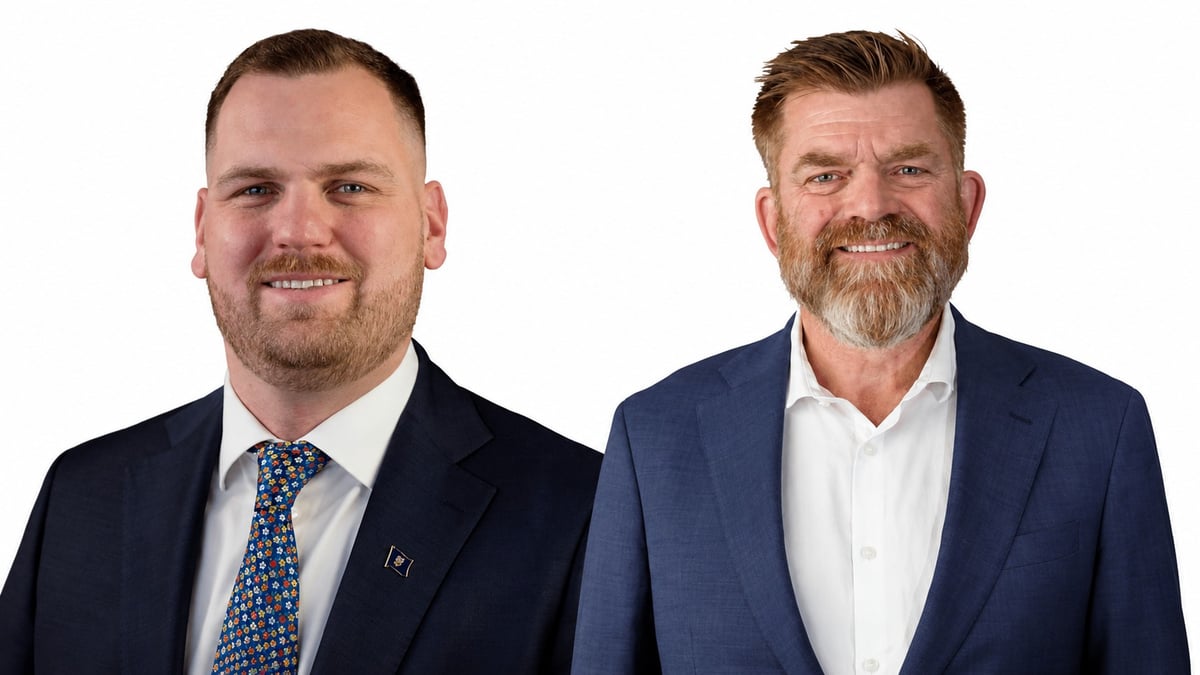
Two Alberta cabinet ministers are on opposite sides of the world this week, and for once the trips are not just about announcing intentions.
Energy and Minerals Minister Brian Jean departs for Tokyo tomorrow, June 13. He meets with Japanese and South Korean government and industry stakeholders through June 19, wrapping up with a site visit to SK Energy's refinery and the Korea National Oil Corporation's Strategic Petroleum Reserve before flying home June 20.
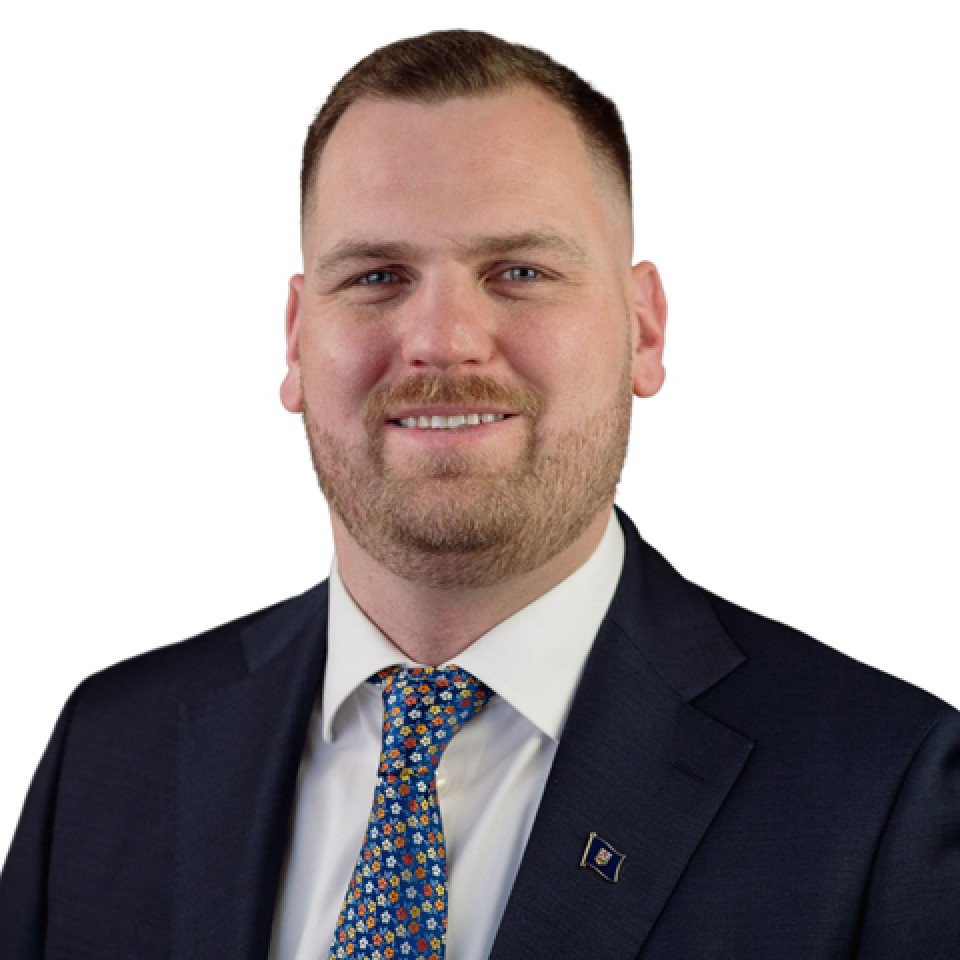
Jobs, Economy, Trade and Immigration Minister Joseph Schow is in Paris today, June 12, attending Eurosatory the world's largest land and airland defence and security exhibition alongside more than 20 Alberta companies. He travels to Cagliari, Italy on June 19, visits Decimomannu Air Base on June 22, and returns to Calgary June 23.
Both trips were announced through the Government of Alberta newsroom this week. Full travel and expense costs will be disclosed publicly when the ministers return.
What Jean is building on in Seoul
Brian Jean's South Korea visit is not a cold call. It is a follow-up.
On April 21, 2026, Premier Danielle Smith and Minister Schow stood alongside Hanwha Energy CEO Jae-Kyu Lee in Edmonton to sign a Memorandum of Understanding between the Government of Alberta and Hanwha Group one of South Korea's largest conglomerates. The deal covers energy development, industrial expansion, and supply chain infrastructure, with major Hanwha subsidiaries including Hanwha Energy, Hanwha Ocean, Hanwha Aerospace, and Hanwha Power Systems engaged as strategic partners.
"This partnership reflects a long-term view of Canada not only as an energy partner, but as a strategic industrial counterpart," said Lee at the signing.
The MOU came days after the South Korean government announced it would eliminate its three percent import tariff on Canadian crude oil. That tariff elimination was part of a broader South Korean plan to deepen ties with Canada, including partnership on the Canadian Patrol Submarine Project a multi-billion dollar defence procurement where Hanwha Ocean is a key bidder.

Jean's meetings in Seoul next week continue where that deal left off. He will be reinforcing Alberta's position as a long-term energy supplier and having targeted discussions on the proposed Indigenous co-owned pipeline to Canada's west coast the centrepiece of the Alberta-Ottawa MOU signed by Smith and Prime Minister Carney in November 2025 and formalized through an Implementation Agreement on May 15, 2026. Under that agreement, pipeline construction could begin as early as September 1, 2027 pending regulatory approval and Indigenous consultation. The pipeline is designed to move at least one million barrels of oil per day to a Pacific export terminal.
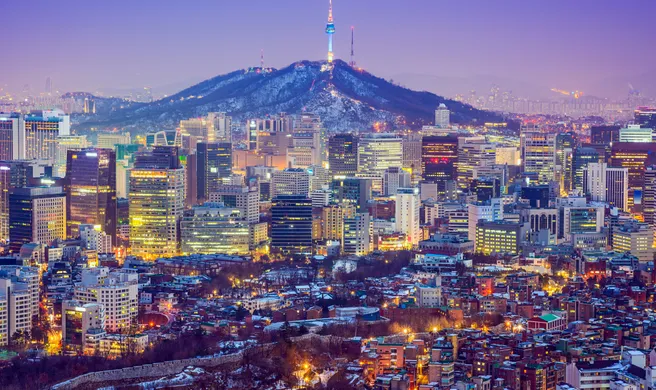
The application to designate the pipeline as a project of national interest must be submitted to the federal Major Projects Office by July 1, 2026 less than three weeks away. Jean heads to Tokyo and Seoul to secure buyer interest before that application is even filed. That is deliberate long-term purchase agreements with Asian buyers are part of what makes the financial case for building the pipeline viable in the first place.
"Nations around the world are searching for a dependable energy partner to reduce exposure to supply disruption and price volatility," said Jean. "I believe Alberta, with our vast reserves, strong regulation and high standards, is the natural solution and best choice for a global partnership."
He is also pitching Alberta's natural gas sector and propane, both in high demand in Asia, during his bilateral meetings in both countries.
What Schow is doing at Eurosatory
Eurosatory runs every two years in Paris and brings together more than 2,000 exhibitors from 60 countries, 76,000 professionals, and 350 official delegations including NATO defence ministers, military chiefs, and senior executives from the major global defence contractors.
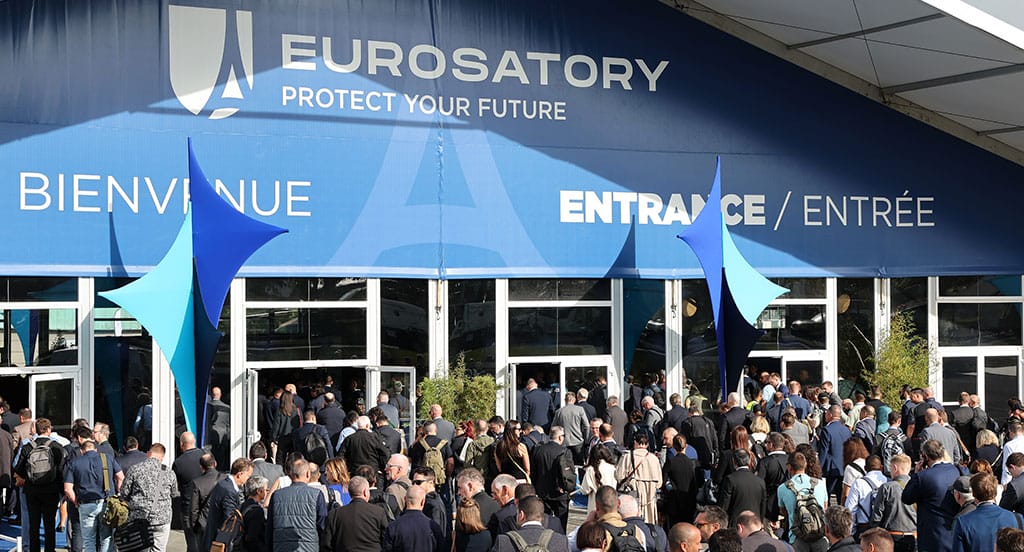
Alberta is there with more than 20 companies. Alberta's defence and security sector is not widely understood outside the province advanced manufacturing, AI, cybersecurity, and aerospace components are all part of what the delegation is presenting alongside Schow. The Hanwha relationship adds a direct thread: Hanwha Aerospace and Hanwha Ocean's involvement in both the Alberta energy MOU and the Canadian Patrol Submarine Project means Alberta's defence and energy relationships with South Korea are now linked in a way they were not a year ago.
Alberta's bilateral trade with France was approximately $724 million in 2025, including canola, turboprop engines, and airplane parts. Alberta-Italy trade totalled $904 million in 2025. The Decimomannu Air Base visit in Sardinia is a NATO training facility used by multiple allied air forces Alberta's aerospace and defence companies have direct interest in the procurement relationships the base represents.
NATO member countries committed in 2024 to spending at least two percent of GDP on defence. That is driving procurement across the alliance at a scale not seen since the Cold War. Alberta companies that position themselves now are competing for contracts that will run for decades.
The case for spending the money
Alberta exported $18.5 billion worth of goods to countries other than the United States in 2024. The province's stated goal is to grow that number significantly as a buffer against US trade policy uncertainty following the tariff disruptions of early 2025.
The Hanwha MOU and South Korea's tariff elimination are concrete results from the relationship-building Alberta has been doing in Asia. The pipeline timeline depends on Asian buyers being ready to sign long-term purchase agreements. The defence contracts Schow's companies are chasing at Eurosatory will not materialise without face time at the events where procurement decisions are made. Every other country competing for those contracts sends ministers.
The criticism that will come anyway
No government travel escapes scrutiny and both missions will face it.
The costs have not been disclosed yet. Critics of ministerial trade missions consistent across party lines in every Canadian province argue the return on investment is difficult to measure and that Alberta's existing international trade offices should handle relationship maintenance without ministers flying to Paris.
The pipeline context gives Jean's Asia trip a specific vulnerability: the west coast pipeline does not have regulatory approval, may not for years, and faces unresolved Indigenous consultation obligations. Pitching pipeline capacity to buyers before the pipeline exists is either smart sequencing or premature marketing depending on who you ask.
On the defence side, Alberta's role in the Canadian Patrol Submarine Project remains unconfirmed. MOUs are not contracts. Eurosatory appearances do not guarantee procurement wins. The gap between a signing ceremony in Edmonton and a Hanwha cheque arriving in Alberta could be years.
The counter-argument is that these relationships take years to build precisely because they are worth years of effort. The Trans Mountain pipeline's Asian customer base was assembled through decades of exactly this kind of groundwork.
Both ministers will post their full travel expenses publicly when they return. Albertans can judge the value for themselves when that disclosure arrives.
Sources:
Government of Alberta, Building energy partnerships in Asia, June 12, 2026 (alberta.ca)
Government of Alberta, Unlocking new opportunities in Europe, June 11, 2026 (alberta.ca)
Government of Alberta, West Coast Oil Pipeline project page (alberta.ca/west-coast-oil-pipeline)
Government of Alberta and Government of Canada, Alberta-Ottawa MOU, November 27, 2025 (open.alberta.ca)
Prime Minister of Canada, Implementation Agreement for the Canada-Alberta MOU, May 15, 2026 (pm.gc.ca)
Hanwha official newsroom, Alberta-Hanwha MOU announcement, April 21, 2026 (hanwha.com)
Government of Alberta, Alberta and Hanwha Energy MOU announcement, April 21, 2026 (alberta.ca)



Comments
Conversation