An Alberta judge has frozen up to $8.5 million in assets belonging to Jeffrey Rath, one of the most prominent lawyers in the province's separatist movement, in an escalating court fight with a First Nation he once represented.
On July 10, Court of King's Bench Justice Michael Marion granted an interim Mareva order against Rath and his firm, Rath & Company, finding reasonable grounds to believe assets could be moved or dissipated before the case is decided. The Tallcree First Nation alleges Rath diverted millions from a trust he was supposed to be safeguarding. Rath denies it. None of the allegations have been proven in court.
What a Mareva order is
A Mareva order, also called a freezing order, is a rare and powerful remedy. It stops a person or company from selling, transferring, hiding or borrowing against their assets before a court case is resolved, so that if the other side wins, there's still money to collect.
Justice Marion's order freezes exigible property up to $8,518,075, a specific figure that matters, and covers bank and investment accounts, vehicles, real estate, personal property and shares. It also blocks Rath from using secured credit like loans or lines of credit against property he owns. The order carves out client money held in trust and the operating accounts Rath needs to run his legal practice, and it allows limited living and legal expenses.

Where the $8,518,075 comes from
That exact number is the spine of the whole dispute.
In 2017, the Tallcree First Nation in northern Alberta settled a Treaty 8 agricultural benefits claim with the federal government, the "cows and plows" claims rooted in promises made more than a century ago, for about $57.6 million. Rath had represented the nation, and his firm charged a 20 per cent contingency fee: $11,518,075.
Tallcree challenged that fee as excessive. The courts agreed. An Alberta judge reduced Rath's allowable compensation to $3 million, and the Court of Appeal upheld that result. The Supreme Court of Canada declined to hear Rath's further appeal in 2023. The difference between what he charged and what the court allowed, the amount he was ordered to repay to Tallcree's trust, was exactly $8,518,075.
What Tallcree alleges happened next
This is where the current fight begins, and everything in this section is an allegation from Tallcree's court filings.
According to an application filed by Tallcree Chief Rupert Meneen, Rath's firm was the sole trustee of the nation's roughly $15-million trust, the fund that holds and distributes settlement money to members, including shares held for children until they turn 18.
Meneen alleges Rath stopped providing financial statements for the trust after 2020, despite being required to. When statements were finally produced under court pressure, the filings allege, Tallcree discovered Rath's firm had charged the trust more than $6 million in a single year, 2024, including $4.6 million in retroactive "trust administrative costs" and $1.4 million in "professional fees." For comparison, the filings note, BMO Trust Company would charge roughly $44,700 a year to do the same job.
Tallcree's lawyers make a pointed argument about that timing: 2024 was the same year Rath was under court order to repay the $8.5 million, and they allege the trust "may have effectively paid for much of its own repayment."
Then there's the transaction at the centre of the freezing order. After a judge removed Rath as trustee on June 26 and appointed BMO Trust Company, BMO reviewed the accounts. According to court documents, it found that in November 2025, Rath's corporation had written a cheque for $8,518,075 from the trust account to itself, thirteen days after Tallcree's appeal was dismissed and the repayment order upheld. Tallcree says it does not know where that money is now. "Rath has refused to disclose the whereabouts of these funds," Meneen's application states. "Their whereabouts are currently unknown."

What Rath says
Rath has denied misappropriating anything, and his position is entitled to equal weight, because none of this has been tested in court.
In court filings, Rath argues his fees were permitted under the terms of the trust agreement, which he says a majority of Tallcree members approved by resolution. He has argued that money paid out of the trust as administrative or legal fees was no longer "trust money" required to stay in the disclosed accounts. In an email cited in court documents, he said "all funds were properly paid out pursuant to the terms of the trust." He has also characterized the dispute as years of litigation driven by Chief Meneen, including a previous attempt to remove him as trustee that he says beneficiaries refused.
Rath declined to answer specific questions from Global News, citing the ongoing court proceedings. According to a filing by his counsel, Rath recently deposited $3 million into a law firm's trust account and proposed the freezing order be lifted if he posts sufficient security. Notably, he is not opposing the freezing order itself.
Why this is bigger than a fee dispute
Rath is not an obscure figure, and that's why this landed on front pages across the province.
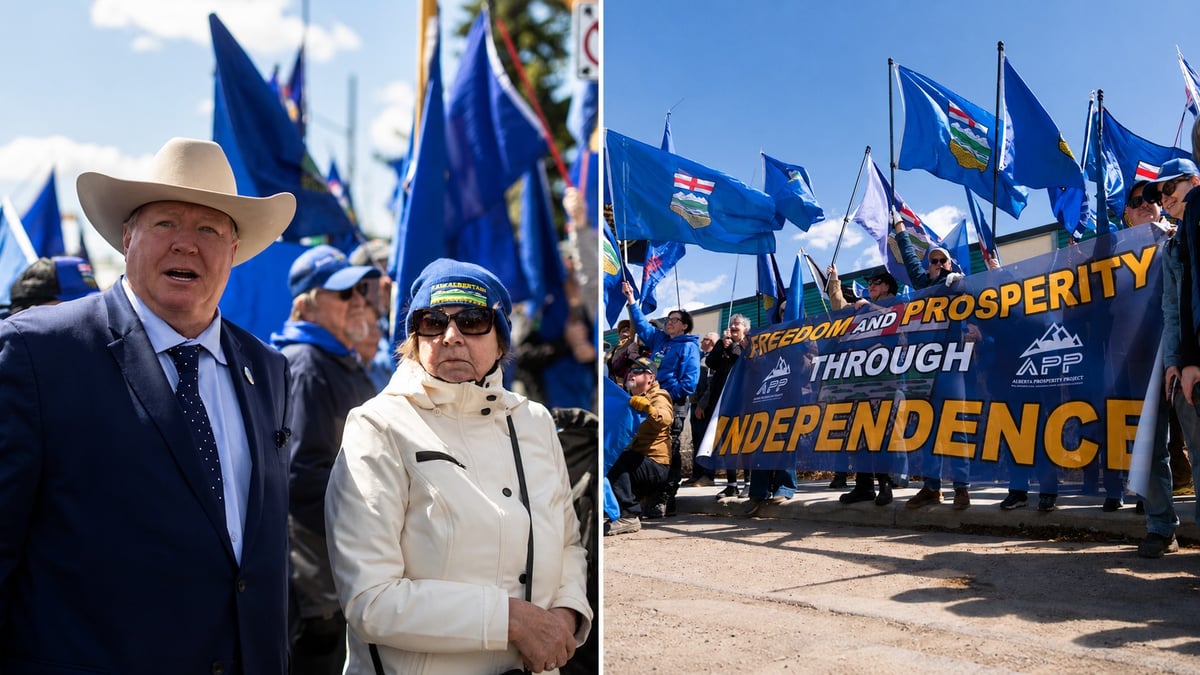
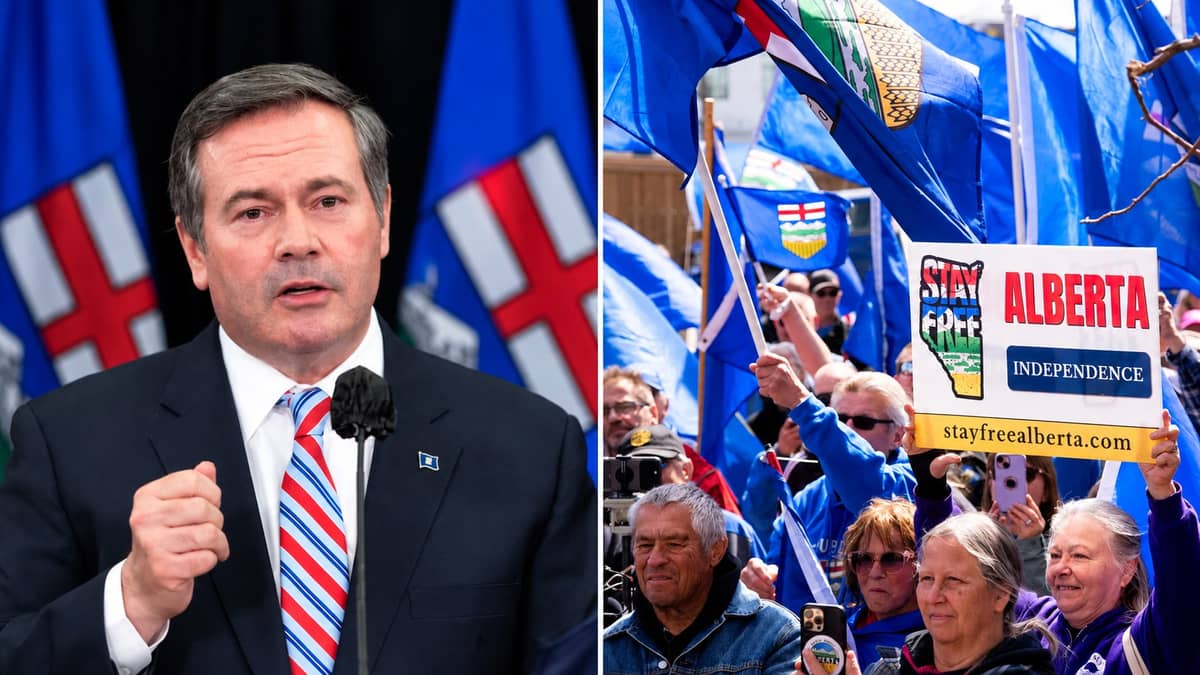
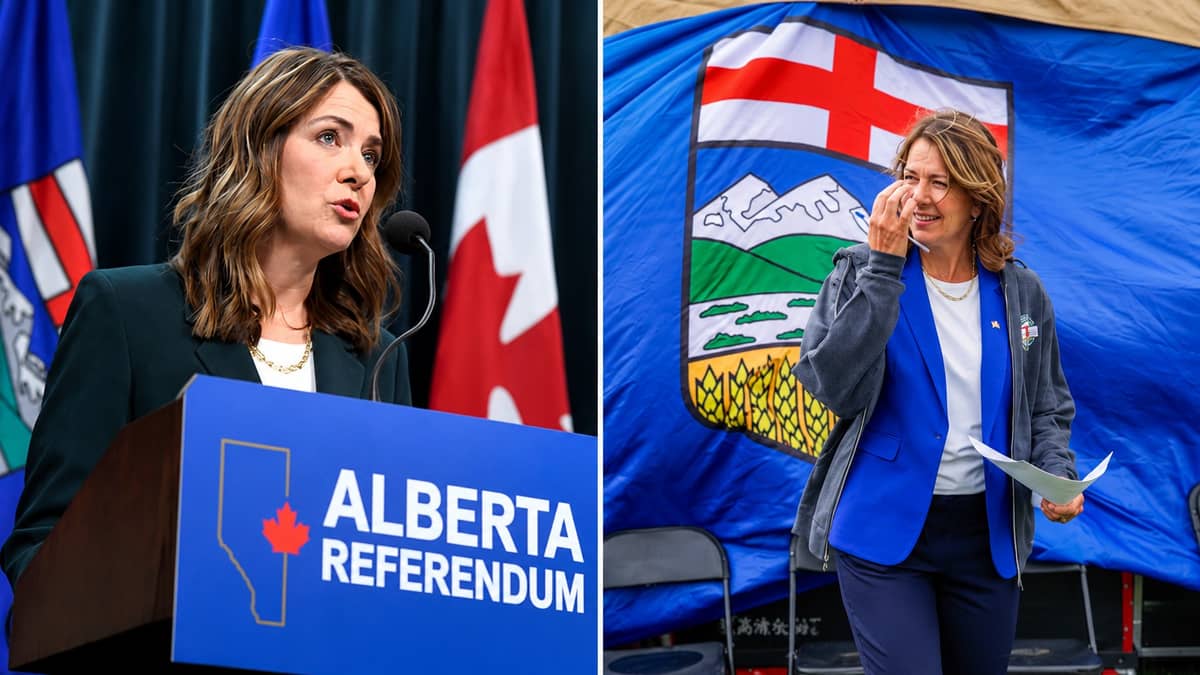
Over the past year and a half, he has become one of the most visible faces of Alberta's independence movement. He co-founded the Alberta Prosperity Project, represented the Stay Free Alberta group behind the province's separatist petition in court, appeared on Fox News, and met with U.S. State Department officials about Alberta's potential secession. That petition campaign is tied to the binding referendum Premier Danielle Smith has scheduled for October 19, which will ask Albertans whether to remain in Canada or begin the legal process toward a second, binding vote on leaving.
The case has already drawn political demands. NDP Opposition whip Kathleen Ganley called on Smith to remove Rath from the UCP, pointing to what she described as his outsized influence on government policy. "The allegations, if they're true, are extremely problematic," Ganley said. "The money that he has allegedly appropriated is money that belongs to the First Nation and, in particular, that belongs to the minors living on the First Nation." The UCP said it doesn't confirm who is a member and declined to comment on a matter before the courts.
There's a sharp irony underneath the politics. Rath built his reputation winning landmark treaty claims for First Nations against the federal government, including this very settlement for Tallcree. Now a First Nation he represented is in court alleging he took money meant for its members' children.
What happens next
The interim order was set to hold until a hearing on July 15, where the dispute continues. The broader case, over control of the trust and whether Rath must account for the money Tallcree says is missing, is far from resolved.
For now, what's established is narrow: a judge found enough of a case to freeze the assets temporarily, Rath is not fighting that freeze, and the allegations behind it remain unproven.
Sources:
Court of King's Bench of Alberta, interim Mareva order, Justice Michael Marion, July 10, 2026
Originating application and affidavit of Tallcree First Nation Chief Rupert Meneen, filed June 24 and July 8, 2026
Court filings by Jeffrey Rath and Rath Professional Corporation
BMO Trust Company account review, as described in court documents
2021 Alberta Court of King's Bench fee ruling and subsequent Court of Appeal decision; Supreme Court of Canada, leave to appeal denied 2023
Statement from NDP MLA Kathleen Ganley





Comments
Conversation