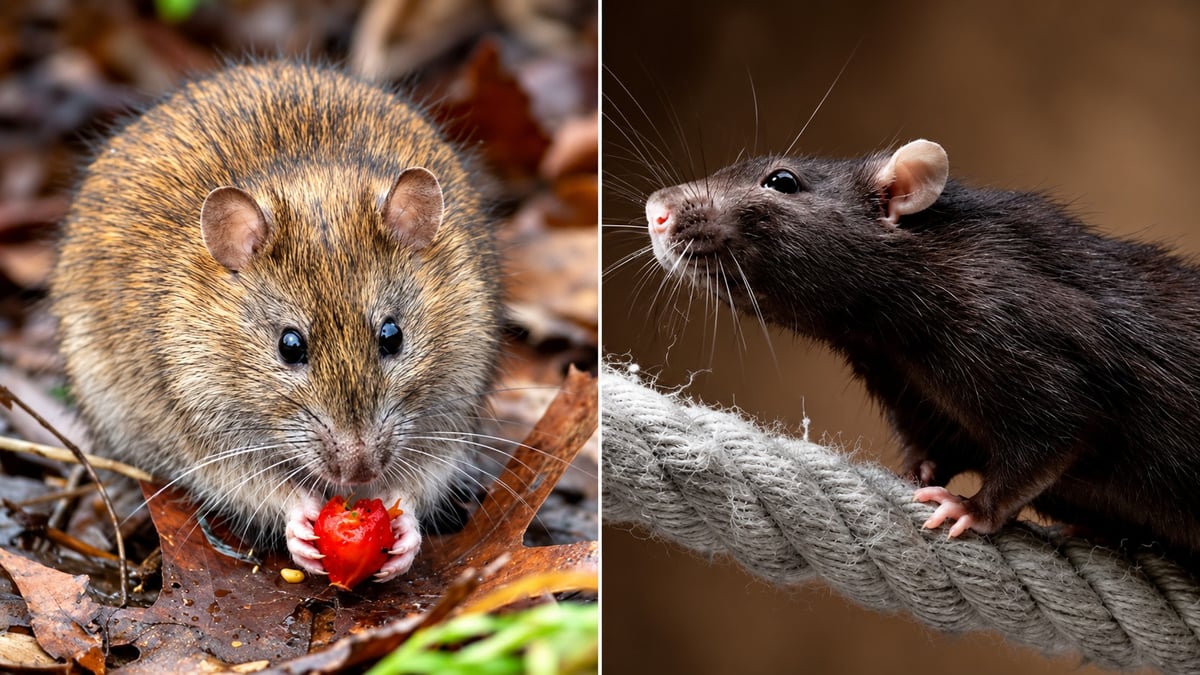
Alberta has a rat to investigate.
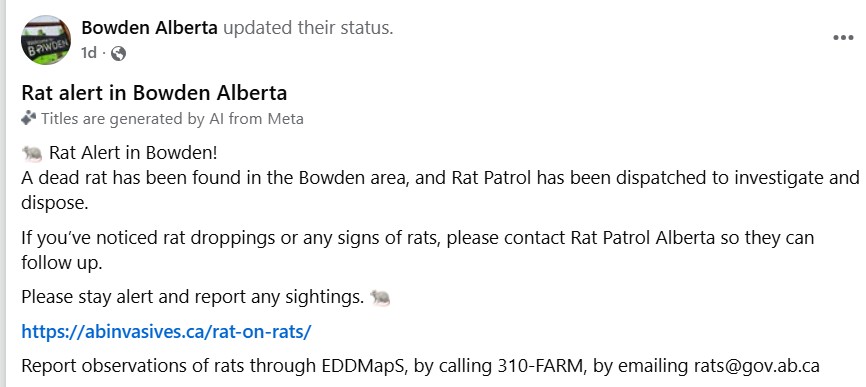
The Town of Bowden said Thursday that a dead rat had been found in the area, and that the province's Rat Patrol had been dispatched to "investigate and dispose."
It comes days after a separate apparent rat sighting in southeast Calgary was shared online and reported to provincial officials.
For a province famous for being rat-free, two reports in a week will get attention. They don't mean rats are settling in.
Finding and removing individual rats is how Alberta has kept that status for more than 75 years.
A dead rat was found in Bowden
Bowden sits about 45 kilometres south of Red Deer, just over an hour north of Calgary.
The town alerted residents on September 24.
"If you've noticed rat droppings or any signs of rats, please contact Rat Patrol Alberta so they can follow up," the town said. "Please stay alert and report any sightings."
The exact location hasn't been released, and the province hasn't publicly identified the species.
Investigators will be trying to answer two questions: where it came from, and whether there are any others nearby.
Then there's the Calgary video
Three days earlier, another apparent rat was getting attention farther south.
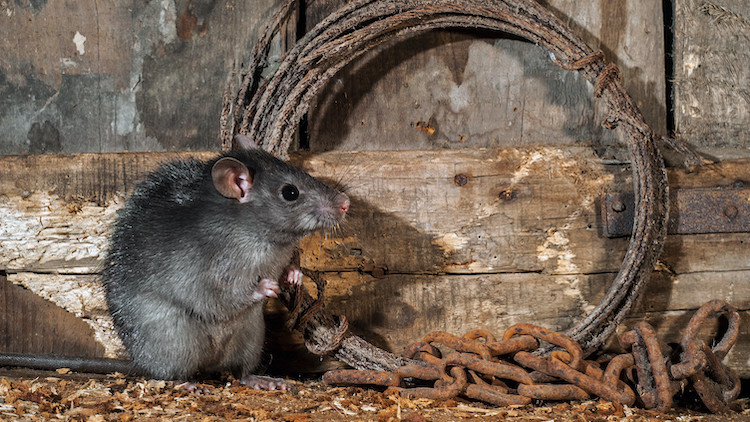
On September 21, a video posted to Reddit's Calgary community showed what appeared to be a live rat outdoors in a southeast Calgary neighbourhood. The person who posted it said the video wasn't theirs and that Alberta Rat Control had been notified.
The province hasn't publicly confirmed the animal was a rat, and there's no evidence connecting it to the Bowden discovery.
What rat-free actually means
The province is precise about this.
Rat-free means there is no resident population of rats, and they aren't allowed to establish themselves. It doesn't mean a rat never gets in.
"Small infestations occasionally occur, but when found, the rats are isolated and eradicated through proven control methods," the province says.
A rat showing up isn't the failure. A rat staying would be.
Alberta still confirms rats every year
This is the number that puts every Alberta rat headline in perspective.
In 2023, the province received 458 rat reports. Only 23 turned out to be rats.
Alberta confirmed 27 rats in 2022, 31 in 2021 and 26 in 2020.
The overwhelming majority of suspected rats are something else. Muskrats are among the most common impostors.
That's also why officials want reports even when people aren't sure. A false alarm costs little. A missed rat can cost a lot.
How Alberta's rat fight started in 1950
Alberta's rat-free reputation wasn't an accident.
Norway rats spread west across North America and reached Saskatchewan in the 1920s. They were first reported along Alberta's eastern border in 1950.
Alberta decided not to let them establish themselves.
The province created a Rat Control Zone along the Saskatchewan boundary, roughly 600 kilometres long and 29 kilometres wide, running from around Cold Lake south to the Montana border. Municipal inspectors, farmers, landowners and provincial staff have worked it ever since.
It worked. After 1959, confirmed infestations fell to roughly one to five a year.
Rats can hitch a ride into Alberta
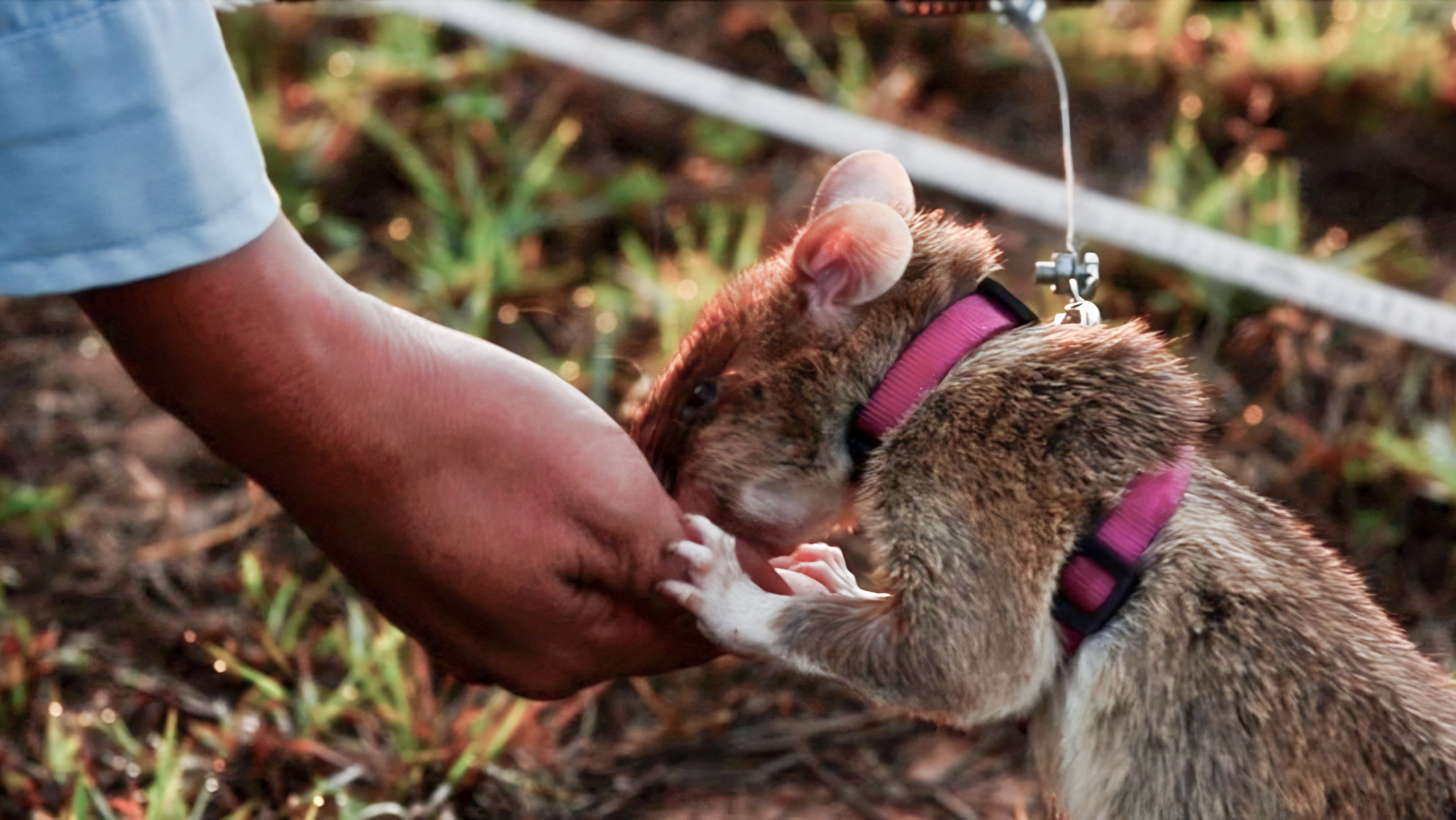
The modern threat isn't rats walking across the Saskatchewan border. It's rats getting a ride.
The province says single rats hitchhiking in on vehicles now outnumber infestations, and asks anyone returning from outside Alberta to inspect vehicles and holiday trailers.
A rat hidden in a truck, car or RV can travel hundreds of kilometres without anyone noticing. When the vehicle stops, it climbs out looking for food and shelter.
That's how one can turn up in Calgary, Red Deer or Bowden with no breeding colony anywhere nearby. Investigators have to work out how it got there.
Is it actually a rat?
Most Albertans have never seen one, which makes identification hard.
The province is primarily concerned with two species.
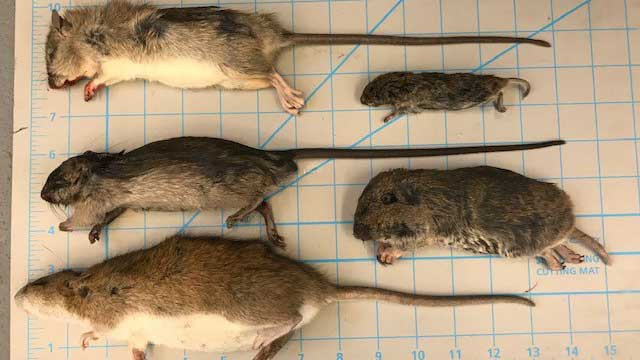
Norway rats are large, heavy-bodied burrowers. They're the species the original control program was built to stop.
Roof rats, sometimes called ship rats, are slimmer and strong climbers. The province says they can arrive from British Columbia on vehicles and trailers.
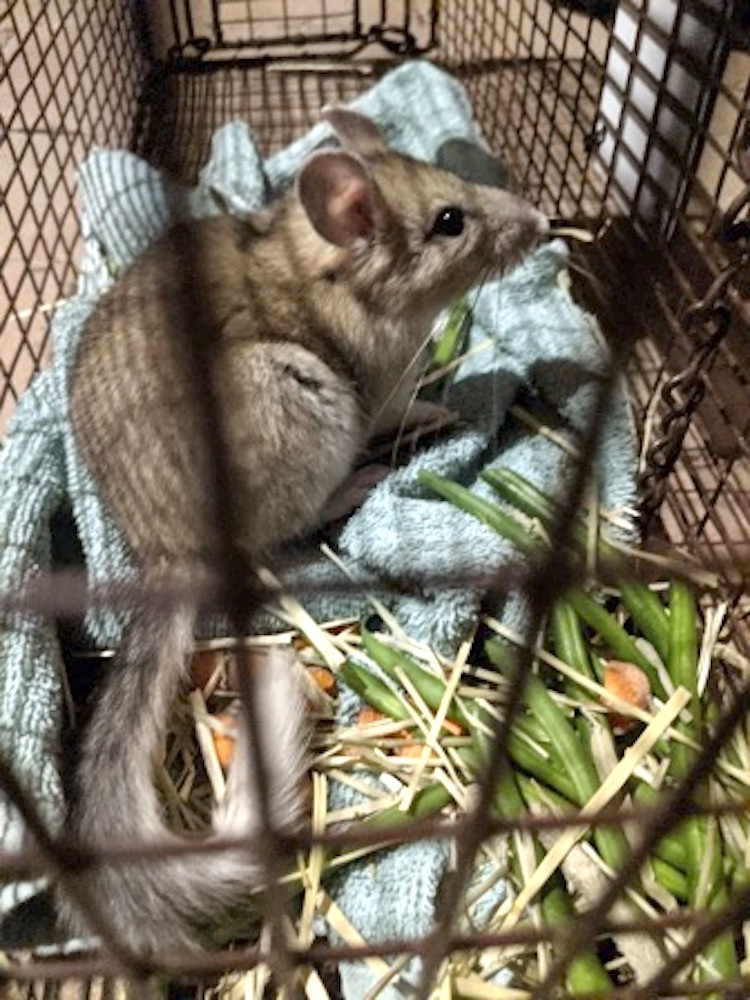
Then there's the native look-alike. The bushy-tailed woodrat, commonly called a pack rat, lives naturally in parts of Alberta. It's wildlife, not one of the invasive rats the program targets.
Muskrats, mice and other rodents cause false alarms too, which is why the province asks for a photo rather than a description.
You can't keep one as a pet either
Private residents in Alberta aren't allowed to keep rats of the Rattus genus. That includes white lab rats, which are domesticated Norway rats.
Approved zoos, universities, colleges and research institutions can keep them under controlled conditions.
An escaped or released pet rat can survive and breed like its wild relatives.
Why Alberta takes one rat seriously
A single dead rat sounds like a small problem.
The concern is what happens if rats reproduce. The province calls them the most destructive vertebrate in the world. Norway rats damage stored grain and feed, contaminate food, and chew through building materials and electrical wiring.
In an agricultural province, keeping them out has always been cheaper than trying to remove an established population later.
That's why one suspected rat can trigger a provincial response while hundreds of reports turn out to be something else.
How to report a rat in Alberta
If it's safe, take a photo and note the exact location. Burrows, droppings and gnaw marks are worth reporting too.
Phone: 310-FARM (3276)
Email: rats@gov.ab.ca
You can also contact your local municipal agricultural fieldman.
Don't assume somebody else already called. Public reports have been central to the program for decades.
What happens next in Bowden
Rat Patrol will investigate the Bowden discovery, look for signs of other rats and try to work out where the animal came from.
If there's no sign of others, it stays an isolated case. If there is, the province has a system built to stop a small problem before it becomes a population.
Sources
Town of Bowden, Facebook post, September 24, 2026
Alberta's Rat Control Program, Government of Alberta
Rat prevention and control, Government of Alberta
History of rat control in Alberta, Government of Alberta
Rat!, r/Calgary, September 21, 2026





Comments
Conversation