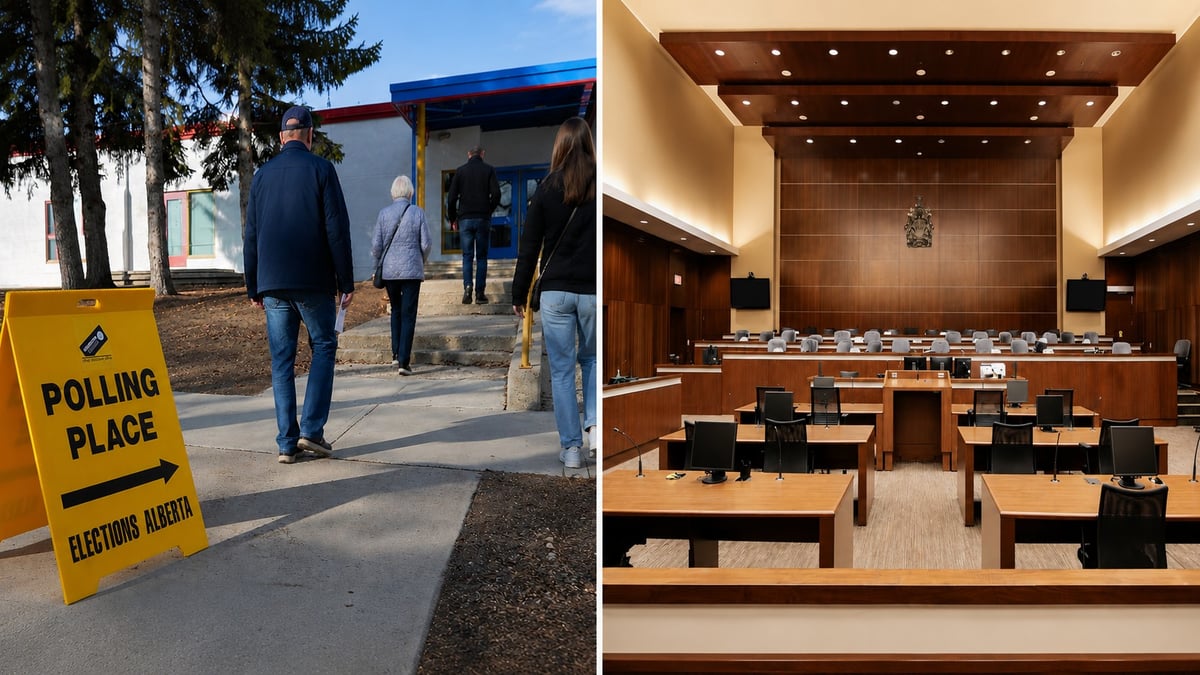
The calls for legal action that followed Alberta's massive voter data breach in April have turned into an actual lawsuit.
A proposed class-action was filed June 26 in the Court of King's Bench in Edmonton, alleging the personal information of approximately 2.9 million Alberta voters was unlawfully accessed, distributed, and misused for purposes not authorized under Alberta's Elections Act. The statement of claim was filed by Cooper Regel LLP on behalf of lead plaintiff Clint Docken, a retired Alberta lawyer and former class-action practitioner.
We covered this breach when calls for legal action were first growing in April. Full background at
culturealberta.com/articles/calls-for-class-action-lawsuit-grow-after-massive-alberta-voter-data-leak.
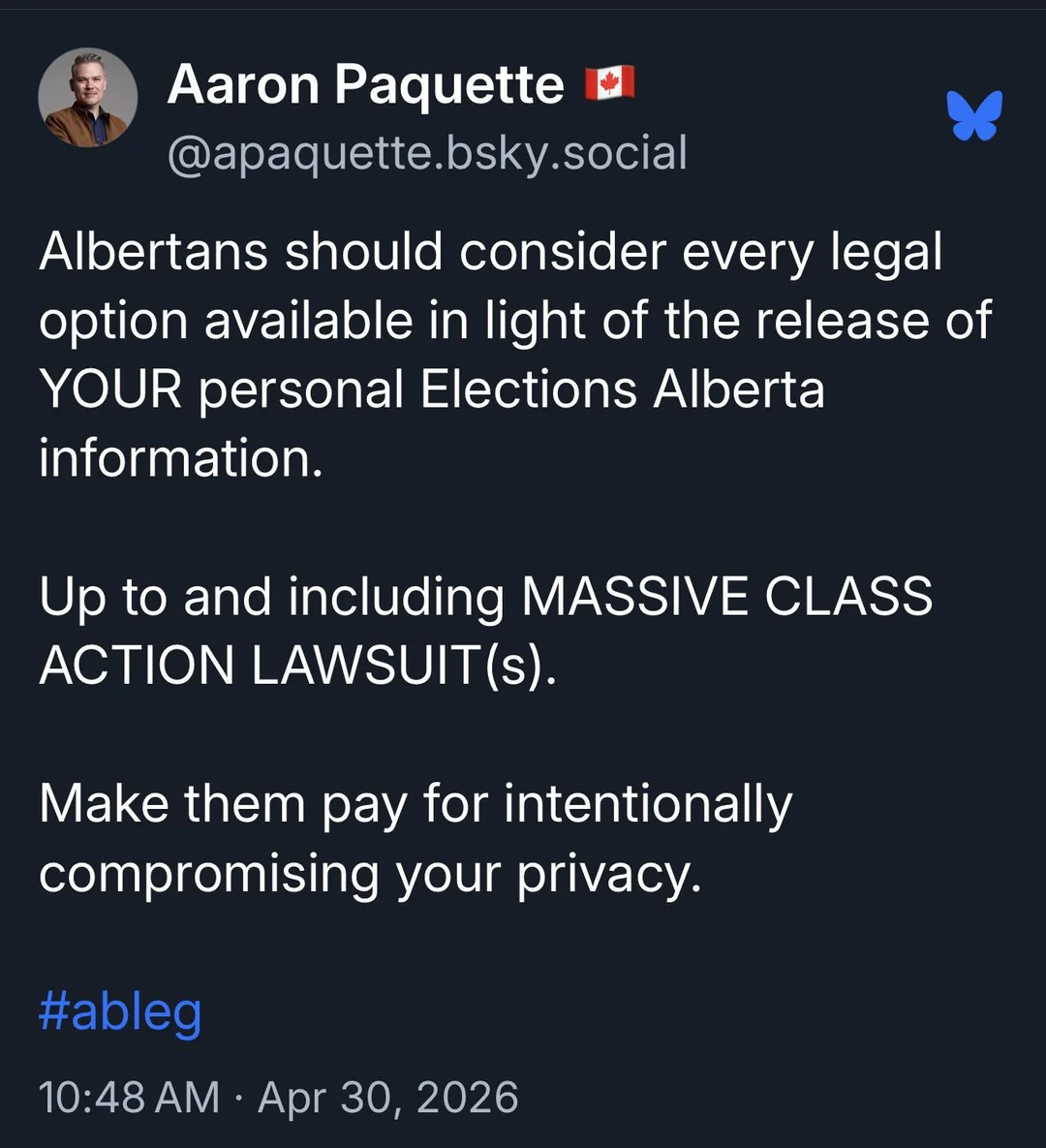
None of the allegations have been proven in court. No statements of defence have been filed. A judge must certify the proposed class action before it can proceed.
Who is being sued
The statement of claim names six defendants: the Government of Alberta, the chief electoral officer of Alberta, the Centurion Project Ltd., the Republican Party of Alberta, David Parker, and a series of John Doe defendants covering unnamed individuals, corporations, and political organizations alleged to have accessed, distributed, downloaded, or used the list.
What the lawsuit alleges
The claim says Alberta's official List of Electors was unlawfully distributed far beyond what the Elections Act permits. According to the filing, Elections Alberta received credible information on April 27 that the Centurion Project possessed a copy of the elector list originally provided to the Republican Party of Alberta. The Republican Party was legally permitted to hold the list but prohibited from sharing it with unauthorized groups.
Elections Alberta issued a cease-and-desist letter and obtained an emergency court injunction on April 30 prohibiting further access, possession, use, or dissemination of the information. The database came down. Elections Alberta later confirmed 21 individuals were given complete copies of the list and 545 accessed the database while it was active. The full extent of how far the data spread remains unknown.
The compromised data includes names, home addresses, phone numbers, postal codes, and unique elector identification numbers for approximately 2.9 million Albertans.
The claim also alleges the breach amounts to a violation of Albertans' Charter-protected rights to privacy and security of the person.
The subclass for vulnerable people
The statement of claim includes a proposed subclass for individuals whose safety depends on the confidentiality of their personal information victims of domestic violence, peace officers, judges, politicians, health-care workers, and journalists. For those groups, a home address in a publicly searchable database carries risks well beyond a privacy inconvenience.
What the lawsuit is asking for
The claim seeks general damages, aggregate damages, punitive damages, disgorgement, restitution, declaratory and injunctive relief, and court orders requiring the identification, retrieval, and destruction of all unauthorized copies of the voter data.
"If these allegations are proven, this is not just a technical breach it is a staggering failure that exposes the private lives of nearly three million Albertans to misuse," said Steven Cooper KC, counsel for Docken. "For vulnerable individuals this kind of exposure is not abstract it can be dangerous. Albertans deserve answers, accountability and consequences."
What each defendant is saying
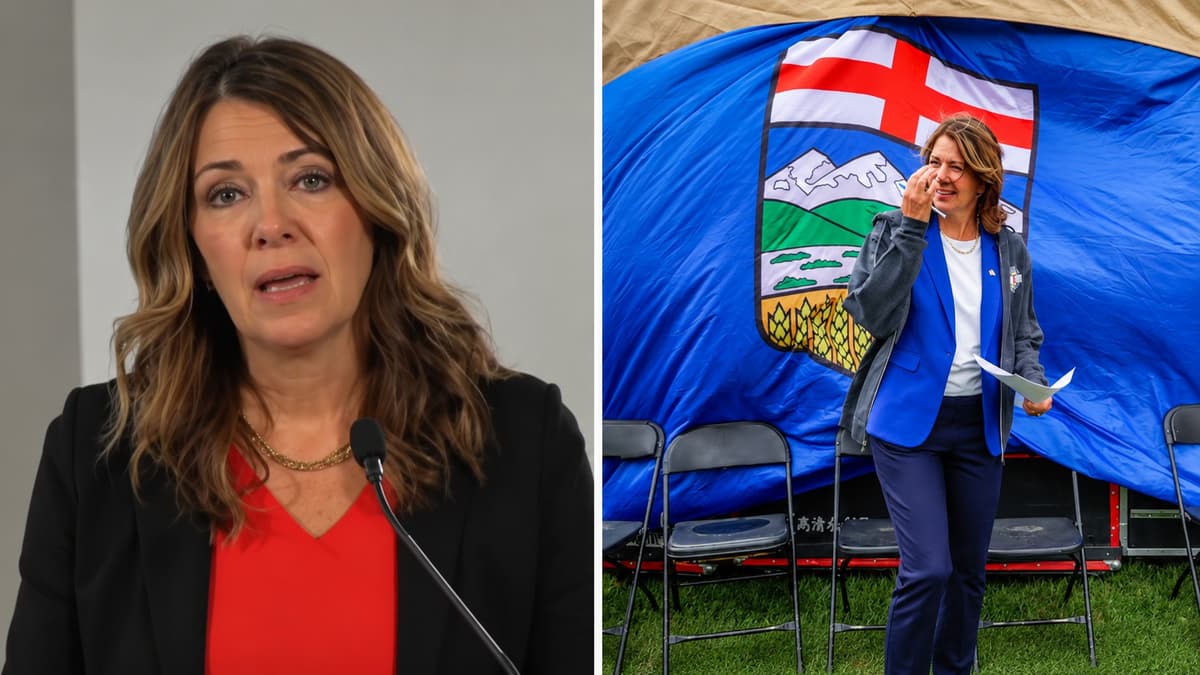
The provincial government confirmed through press secretary Heather Jenkins that it has received the statement of claim and is reviewing it. "The protection of Albertans' personal information is taken very seriously by our government. As this matter is before the courts, we will not be providing further comment."
Elections Alberta confirmed it takes the unauthorized use of the elector list seriously but said it had not yet been served and had no further comment.
Cam Davies, leader of the Republican Party of Alberta, told media he looks forward to what the judge will say, adding that political parties are permitted to use election lists.
The Centurion Project and David Parker did not respond to requests for comment.
What "proposed" actually means
Filing a class action and having one proceed are two different things. A judge must first certify this as a class proceeding before any defendant has to answer the claims in court. Certification alone can take months. If the court refuses, the case does not proceed as a class.
If it is certified, Cooper says resolution is likely years away. The defendants have not yet filed statements of defence. RCMP, Elections Alberta, and the privacy commissioner are all running parallel investigations that may produce findings well before this lawsuit reaches any conclusion.
Where the investigations stand
Three parallel investigations are underway: RCMP, Elections Alberta, and the province's Office of the Information and Privacy Commissioner. The lawsuit runs separately from those processes. If the class action is certified and proceeds, Cooper says resolution could be several years away.
If your information was in the breach
The proposed class includes anyone whose personal information was contained in Alberta's List of Electors prior to April 26, 2026. If you were a registered Alberta voter before that date, you are a potential class member. No action is required at this stage the lawsuit must first be certified before it proceeds.
Sources:
Cooper Regel LLP, news release, June 30, 2026
Statement of claim, Docken v. Government of Alberta et al., Court of King's Bench, Edmonton, filed June 26, 2026
Elections Alberta, official statements, April to June 2026 (elections.ab.ca)






Comments
Conversation