Elections Alberta is about to launch one of the largest single hiring drives in Alberta's history.
More than 60,000 Albertans are needed to work as election officers for the October 19 referendum. All positions are paid. Recruitment opens June 8, 2026.
If you are looking for work this fall, this is worth paying attention to.
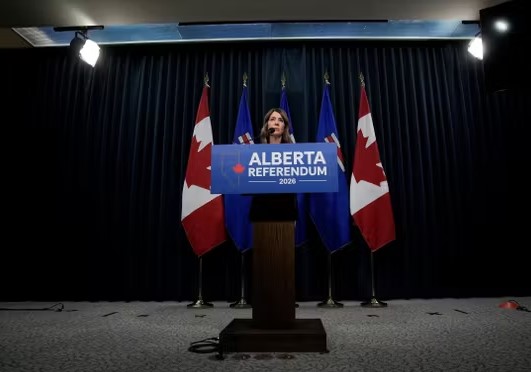
Why 60,000 people are needed
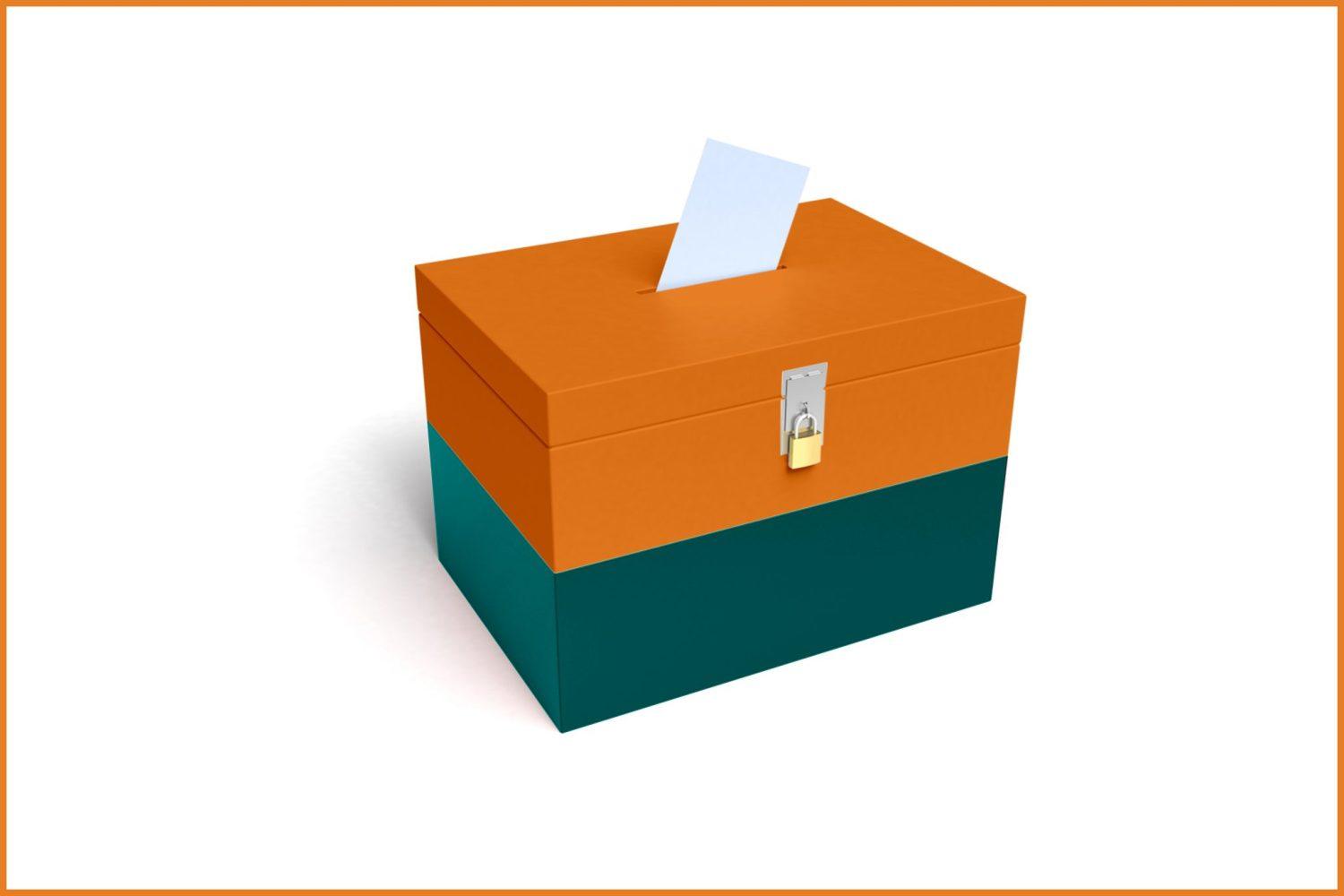
Albertans are voting on ten separate referendum questions on October 19. Each question is on its own colour-coded ballot and deposited into its own colour-coded ballot box. Elections Alberta anticipates approximately 34 million ballots across all ten questions.
Provincial law requires all ballots be hand counted and unofficial results reported within 48 hours of polls closing. That timeline, across ten questions and 87 electoral divisions, requires a significant workforce. Sixty thousand is the floor Elections Alberta says it may need more depending on turnout, which is expected to be high.
What this referendum costs and how it compares to a normal election
A provincial general election in Alberta typically requires around 18,000 election officers. The October 19 referendum needs more than 60,000 more than three times the usual workforce because ten questions must each be hand counted separately at every voting location across 87 electoral divisions simultaneously.
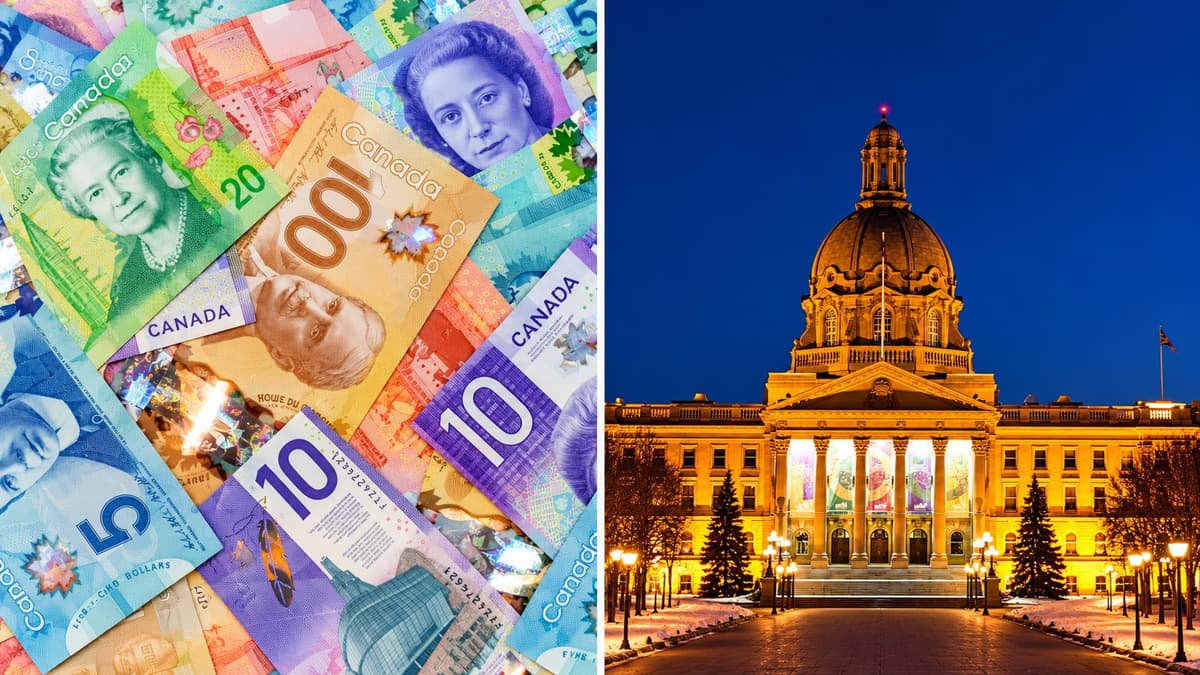
The province has not released a confirmed cost. Alberta's 2023 general election cost approximately $40 million to administer. With ten questions, 34 million ballots, and three times the workforce, independent analysts have estimated the October 19 referendum will cost between $50 million and $100 million in taxpayer dollars.
That spending is drawing criticism. Alberta's Budget 2026 projects a $9.4 billion deficit a swing of nearly $18 billion from the surplus posted in 2024-25. NDP Leader Naheed Nenshi has called the referendum a "gigantic waste" of public money. The province has not confirmed a final cost figure.
What election officers actually do
Election officers are the people who make voting work on the ground checking voter ID, handing out ballot packages, managing polling station flow, counting ballots by hand, and reporting results to the Returning Officer.
Senior roles such as Deputy Returning Officers carry more responsibility. Entry-level roles are accessible to first-time election workers. All positions include paid training before October 19.
Who can apply
Most positions are open to anyone 16 or older. Some roles require 18 Elections Alberta will specify which when postings go live. You must be eligible to work in Canada, meet the position requirements, and pass a Criminal Records Check. Election officers sign an oath and must refrain from all political activity during their employment.
What the jobs pay
Elections Alberta has not yet published the full pay grid. In past Alberta provincial elections, election officer roles paid between $18 and $28 per hour depending on position. Full pay details will be posted at elections.ab.ca when recruitment opens June 8.
How to apply
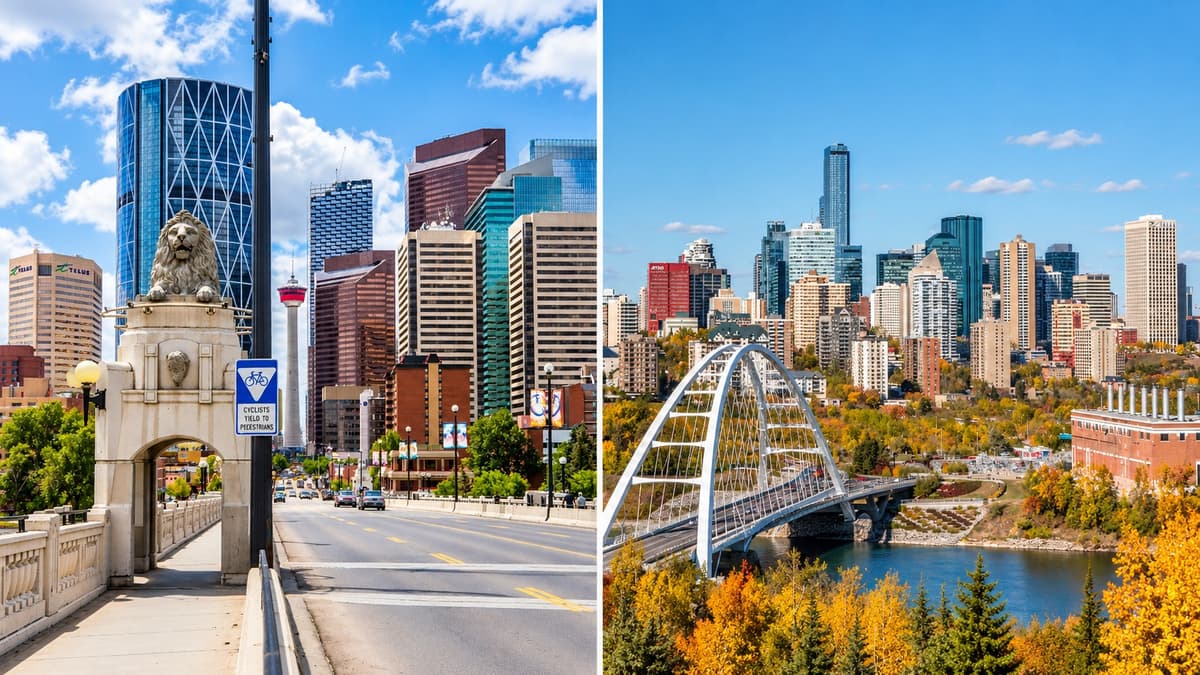
Positions are not posted by individual city. Elections Alberta runs hiring centrally through one province-wide jobs page. When recruitment opens June 8, all available positions will be listed at elections.ab.ca/jobs, organized by electoral division. Filter to your area to find roles near you whether you are in Edmonton, Calgary, Lethbridge, Red Deer, Grande Prairie, Fort McMurray, Medicine Hat, or anywhere else in Alberta.
Positions are expected to fill quickly. Set a reminder for June 8.
What all ten questions ask
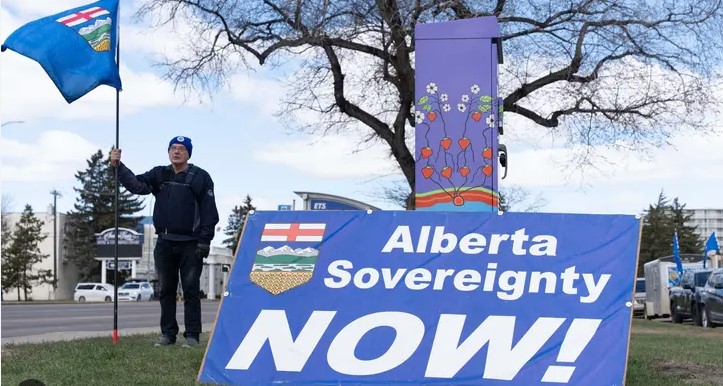
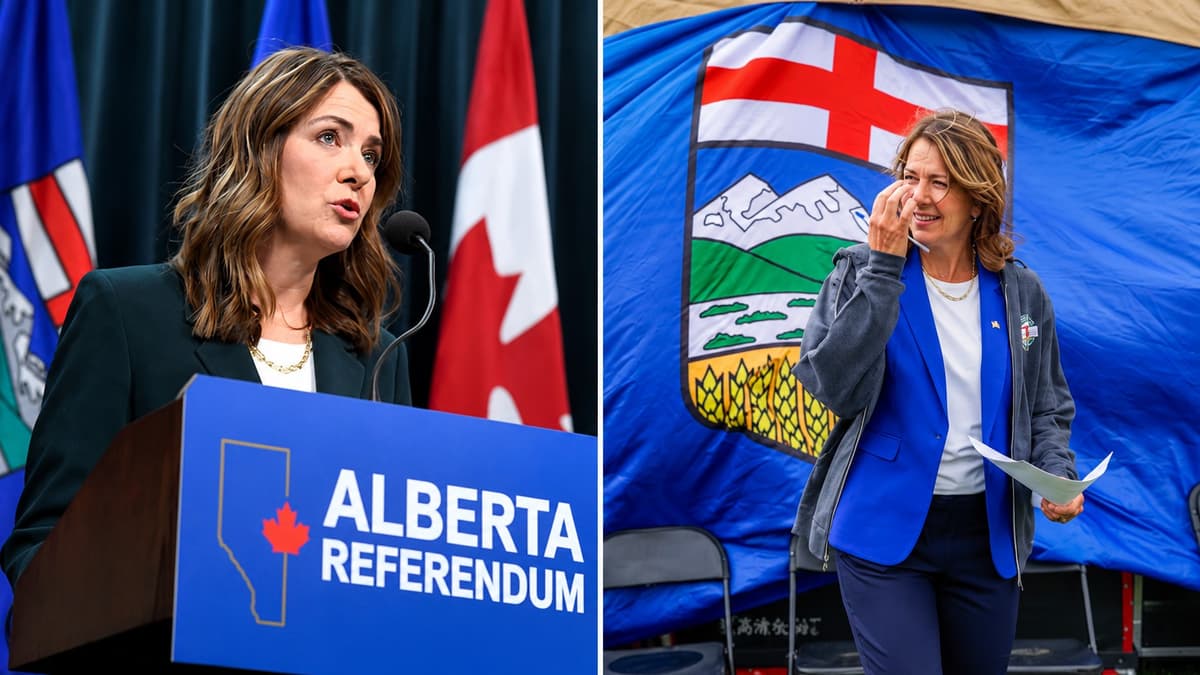
Most coverage focuses on Question 10 the separation question. But Albertans are voting on nine other questions that cover significant ground.
Questions 1 through 5 cover immigration. Question 1 asks whether Alberta should take increased control over immigration, prioritizing economic migration and giving Albertans first priority on new employment. Questions 2, 3, and 4 deal with temporary residents provincial benefits eligibility, a 12-month residency requirement before accessing social supports, and fees for public education or health care while status remains temporary. Question 5 asks whether individuals should be required to provide proof of citizenship to vote in Alberta provincial elections.
Questions 6, 7, and 8 cover constitutional reform. Question 6 asks whether provincial governments not Ottawa should select justices appointed to provincial courts. Question 7 asks whether the unelected federal Senate should be abolished. Question 8 asks whether provinces should be able to opt out of federal programs intruding on provincial jurisdiction such as health care, education, and social services without losing associated federal funding.
Question 9 asks whether Alberta should establish a provincial police force to replace the RCMP.
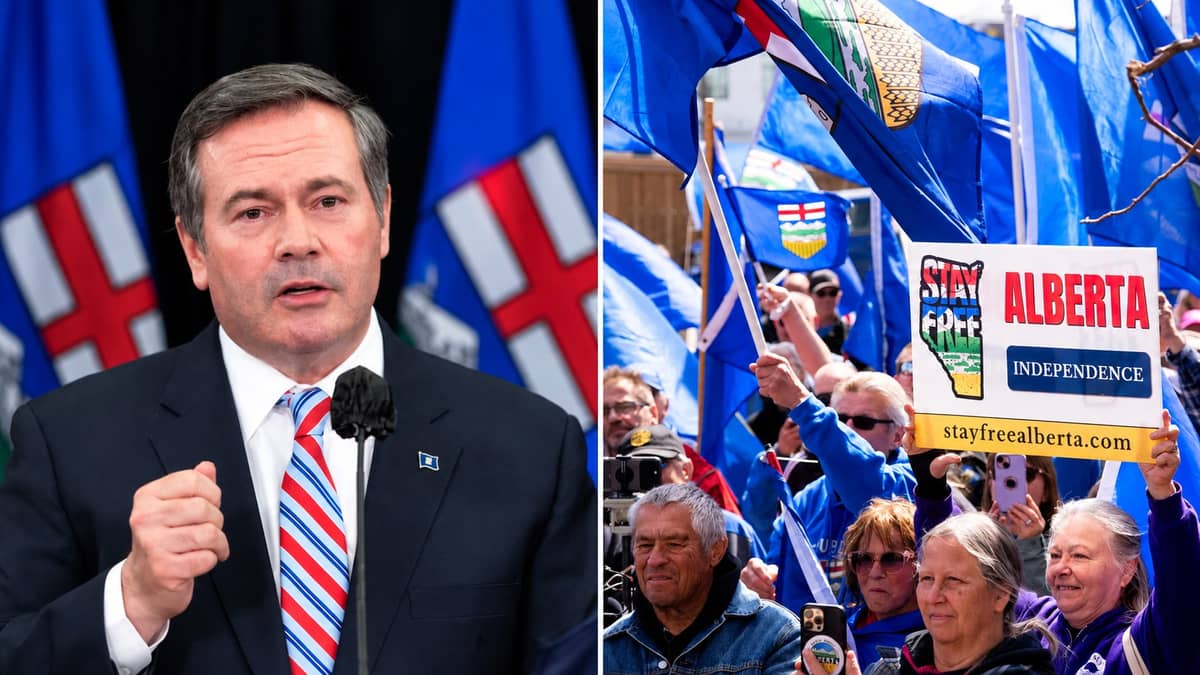
Question 10 asks whether Alberta should remain a province of Canada or begin a legal process toward a binding referendum on separation. It is provided to voters first and counted first at every voting location.
Voters mark yes or no on each question independently.
Alberta's previous referendums
Alberta has held two previous referendums under the Referendum Act both on Daylight Saving Time, in 1948 and 1971. October 19, 2026 is the first under the Act to address constitutional and political questions, and by a significant margin the largest and most complex referendum in Alberta's history.

How to vote
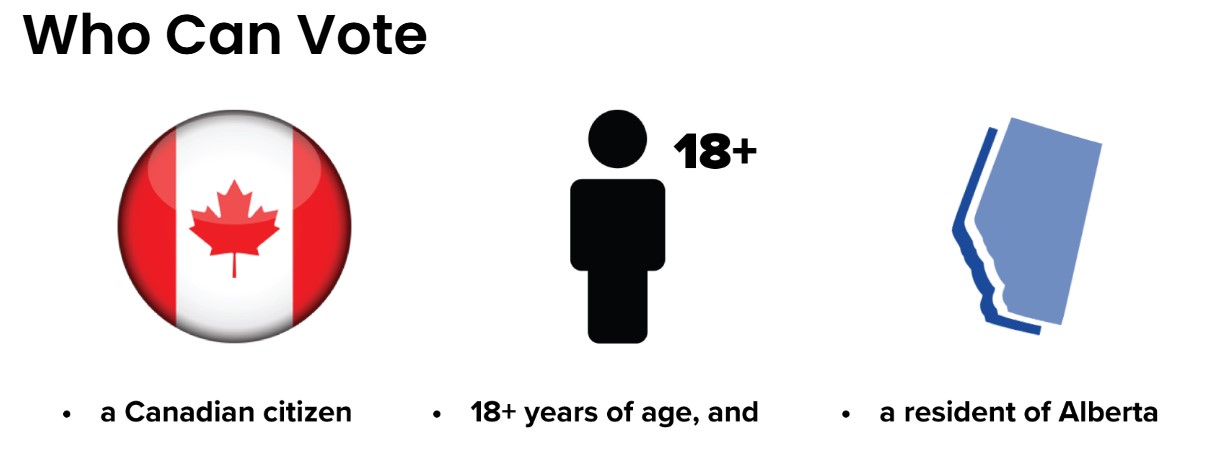
To vote on October 19 you must be a Canadian citizen, ordinarily resident in Alberta, and 18 or older. Students studying outside Alberta can vote if they intend to return home. Ex-pats who have permanently moved from Alberta are not eligible.
You will need one piece of government-issued photo ID with your full name, current address, and photo or two pieces of ID with your name and at least one showing your current address.
Voting options include advance polls, Election Day voting on October 19, and special ballots by mail. Special ballot applications open in late July.
Elections Alberta is an independent, non-partisan office of the Legislative Assembly of Alberta. For current information visit elections.ab.ca.
Sources:
Elections Alberta — Important Referendum Information, May 29, 2026 (elections.ab.ca)
Elections Alberta — Referendum page, October 19 2026 (elections.ab.ca/elections/referendum)
Government of Alberta — albertareferendum2026.ca




Comments
Conversation