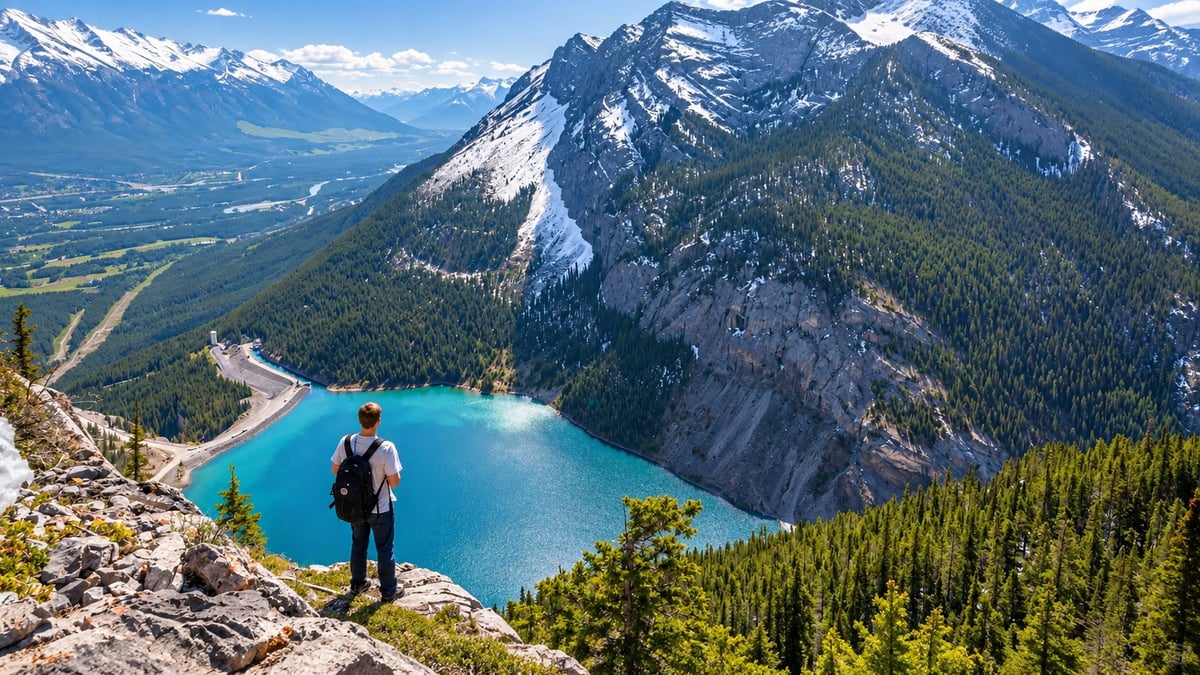
Our condolences to everyone who lost someone in the mountains this year.
It was a deadly summer in Banff National Park and Kananaskis Country.
From June into September, hikers and climbers died on Mount Bryant, Mount Temple, near Marvel Peak, Mount Yamnuska, Tent Ridge, near Recondite Peak and above Lake Louise. There were also drownings in the Bow Valley and on the Highwood River.
The deaths didn't happen for one reason. Some involved falls. Severe weather was a factor in at least one. Some happened on remote or technically demanding terrain.
What they have in common is the thing Parks Canada keeps repeating in its guidance for Banff: "Even short trips can have serious consequences."
It started in June
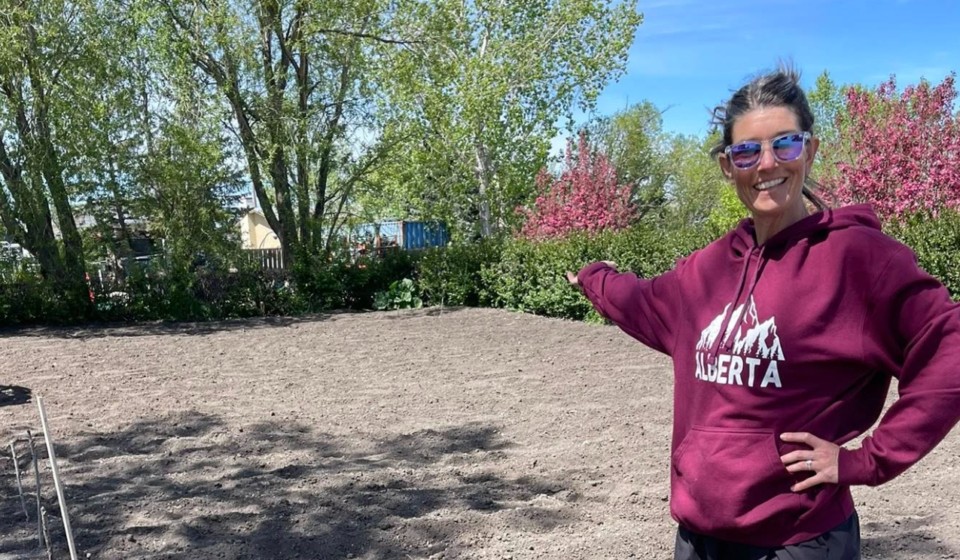
On June 6, Katie Heaven, 47, of Airdrie, died after falling from a ledge while descending Mount Bryant in Elbow-Sheep Wildland Provincial Park.
She had been scrambling with companions. She was flown off the mountain by helicopter but did not survive. Friends described her as an experienced mountaineer and a realtor who had already climbed a number of peaks that year.
Our coverage of Katie Heaven's death is here.
Two deaths in Banff, three days apart
On July 25, a 65-year-old man slipped while ascending Mount Temple near Lake Louise.
Mount Temple rises to 3,544 metres and is a serious objective despite sitting beside one of Banff's busiest visitor areas. He was removed by helicopter and pronounced dead at a staging area.
On July 28, a woman in her 20s fell near Marvel Peak, in the southern part of the park. She was on a multi-day backcountry trip with three others.
They reached her and attempted first aid, and they had a satellite communication device to call for help. Strong winds kept a helicopter from reaching the site that evening. Her body was recovered the next morning.
August, in Kananaskis
On August 19, another hiker saw a woman fall from Mount Yamnuska, one of the most recognizable mountains east of Canmore. She was pronounced dead at the scene.
Four days later, on August 23, Mariel Cendana Surat died while climbing Tent Ridge during severe weather.
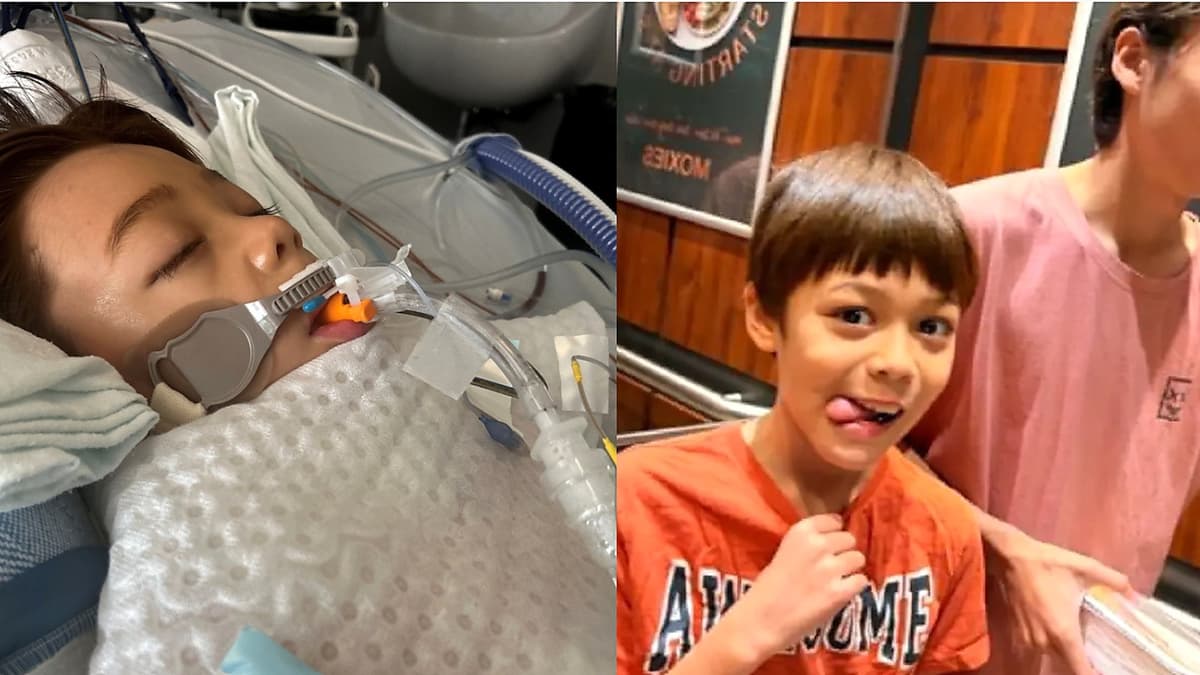
Her family began raising money to return her remains to the Philippines. Her son Jansen wrote on the fundraising page that his mother loved being in the mountains.
Two more in September
A 24-year-old man from Jasper headed into the backcountry on September 7 toward Recondite Peak, a remote mountain in northeastern Banff. He had been communicating using a satellite device.
When that stopped and he didn't return, he was reported missing on September 9. He was found dead that day, after an apparent fall.
Two days later, a 33-year-old Calgary man died in the Little Beehive and Devil's Thumb area above Lake Louise. He had been hiking with companions before they became separated as he continued toward Devil's Thumb.
Our coverage of both September deaths is here.
Beyond Banff and Kananaskis
The reported figures above cover the mountains west of Calgary. They don't include deaths elsewhere in Alberta's mountain parks.
In Waterton Lakes National Park, in the province's southwest corner, hiker Bob Toothill was found dead after going missing. Our coverage is here.
The safety guidance in this article applies across all of them.
Water deaths, too
Three men died in separate water incidents in the Bow Valley this summer.
A 25-year-old American man died at Johnston Canyon.
A 29-year-old Banff resident died at Johnson Lake on August 16.
A 33-year-old man died at Quarry Lake in Canmore.
A man also died cliff jumping into the Highwood River in Kananaskis Country, at a spot that has claimed at least four lives since 2005. Our coverage is here.
Cold water is the common thread in mountain drownings. Rivers and lakes fed by snowmelt stay cold enough through summer to cause an involuntary gasp on sudden immersion, which is how water reaches the lungs in the first seconds. It also shortens how long someone can hold their breath and makes it harder to control movement. How well a person swims changes very little of that.
More people, more calls
Kananaskis Country now receives roughly five million visits a year, more than Banff National Park's 4.2 million.
That doesn't mean visitation caused this summer's deaths. There's no evidence tying the fatalities to a single trend.
But the rescue numbers have moved a long way. Provincial figures show Kananaskis crews responded to 445 rescues in 2025, against roughly 200 in 2009.
Many aren't dramatic. A large share involve injured ankles and legs. Others turn into major operations with conservation officers, paramedics, mountain rescue specialists and helicopters.
Close to Calgary doesn't mean easy
Mount Yamnuska is the clearest example.
It's less than an hour west of Calgary and its rock face is visible from the Trans-Canada. That accessibility is deceptive. The mountain has scrambling terrain, real exposure and rockfall hazards, and its back side has a long history of people becoming lost, injured or stranded.
The province reworked parts of the route in 2020 and 2021 to improve safety. Similar work has been done on Ha Ling Peak and Prairie Mountain.
The point applies beyond Yamnuska. A trailhead can sit beside a highway and still lead into serious terrain within an hour.
Conditions change before people expect them to
Parks Canada says Banff's prime hiking season runs from July through mid-September.
High passes can hold snow into late June. Alpine terrain can carry avalanche hazard, particularly above the treeline around 2,000 metres, from November through June.
And summer isn't exempt.
"Mountain weather changes quickly and it can snow any month of the year," Parks Canada warns.
A warm afternoon at the trailhead says very little about conditions several hours later and several hundred metres higher.
A phone isn't enough, and neither is an app
Cell coverage can't be relied on across Banff National Park.
Parks Canada recommends carrying a satellite emergency communication device for backcountry travel, and knowing how to use it before leaving. Two of this summer's incidents involved people who had one. The group near Marvel Peak used theirs to call for help. The Recondite Peak hiker had been communicating remotely before contact stopped.
A satellite communicator doesn't make a route safe, and it doesn't guarantee a fast response. Weather, darkness and terrain all delay rescues. But without cell service, it may be the only way to tell anyone something has gone wrong.
Parks Canada also warns against relying solely on hiking apps. Official trail reports carry things a downloaded route doesn't: closures, wildlife warnings, washed-out sections, rockfall and current conditions.
Before you go
Check the weather and the official trail report. Look for closures and warnings. Know the route.
Bring warm clothing even if it's warm at the trailhead, plus extra food and water, a first-aid kit, a headlamp and proper footwear.
Tell someone where you're going and when you'll be back.
Stay with your group.
Choose an outing suited to the least experienced person in it.
And be ready to spend the night out if something goes wrong. That's Parks Canada's own advice for Banff.
If something goes wrong
In Banff National Park, call 911 from a cellphone and tell the dispatcher you're in the national park and need emergency assistance.
From a satellite phone in the backcountry, Parks Canada's Banff emergency number is 403-762-4506.
In Kananaskis Country, call 911.
Don't hold off because it doesn't seem serious yet. Injuries, weather and daylight all change while rescuers are still on their way.
Sources
Parks Canada, hiking and backcountry guidance for Banff National Park
Alberta Forestry and Parks
Police and emergency service information released following individual incidents



Comments
Conversation