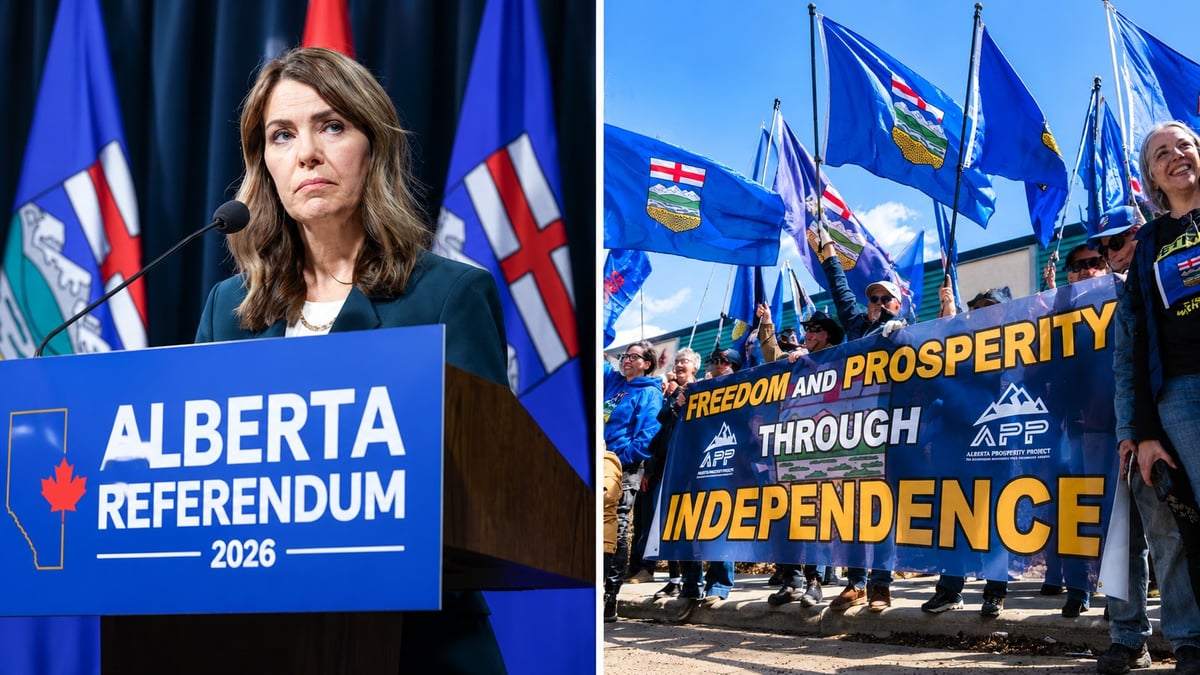
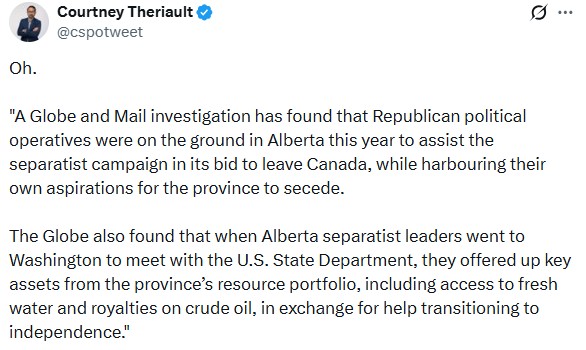
Alberta separatist figures proposed giving the United States access to fresh water and oil royalties as part of a push for American help with independence, according to a Globe and Mail investigation published Saturday.
But separatist leaders don't agree on what was actually put on the table.
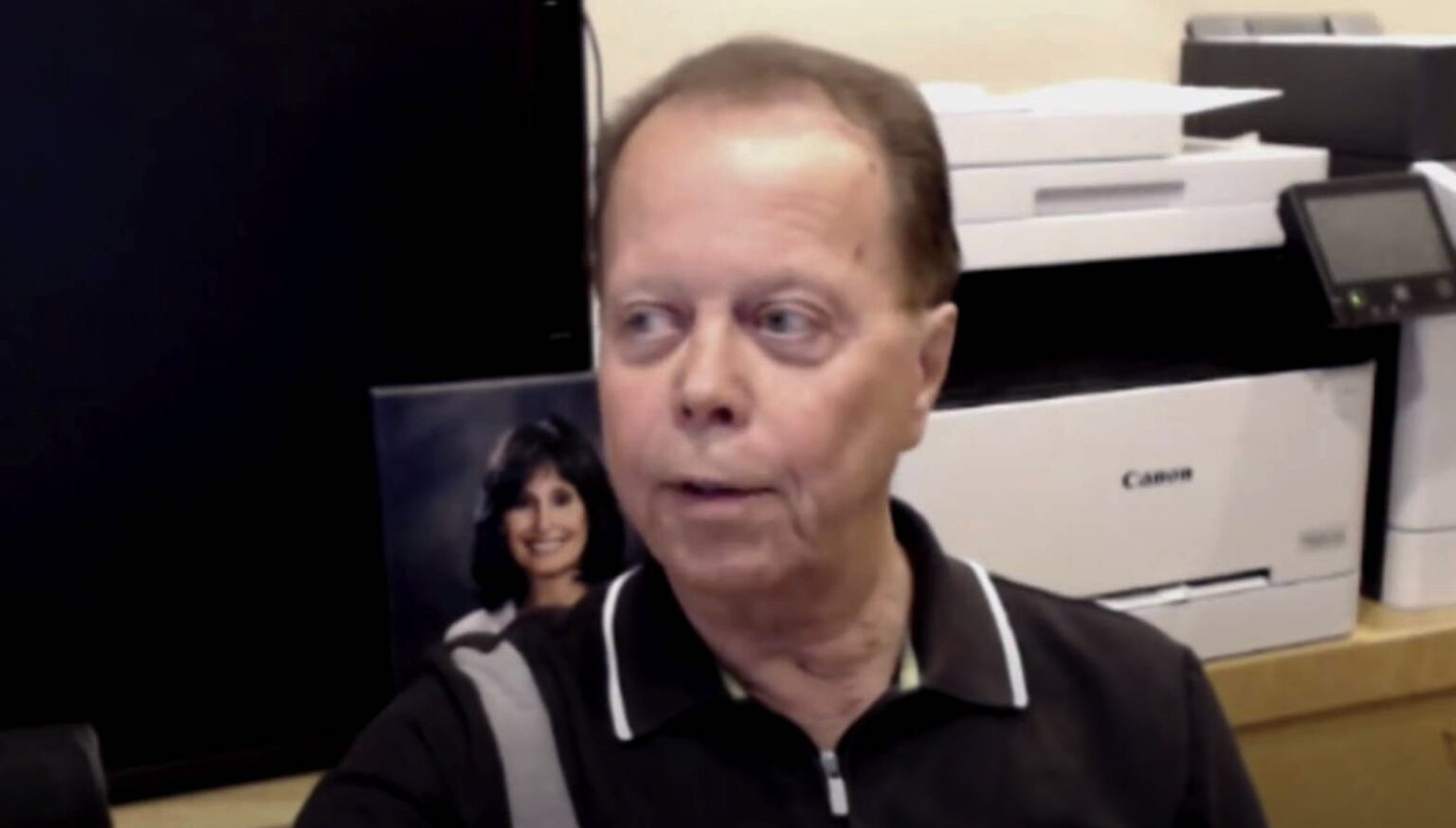
Dennis Modry, a co-founder of the Alberta Prosperity Project, told the Globe about proposals involving water, royalties and other Alberta resources.
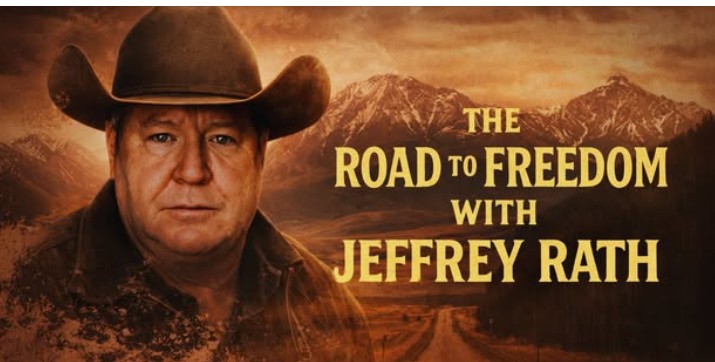
Jeff Rath, who arranged the separatists' meetings with U.S. officials, disputes that. He told the Globe those proposals weren't discussed.
No agreements were reached.
The investigation, by Carrie Tait, Grant Robertson and Nathan VanderKlippe, also reports that Republican political operatives from Michigan travelled to Calgary earlier this year to meet Alberta separatists about voter-targeting technology.
It comes just over two weeks before Albertans vote in the Oct. 19 referendum.
What was proposed
According to the Globe, Alberta separatists met U.S. officials at State Department headquarters three times last year: on April 22, Sept. 29 and Dec. 16.
Modry told the Globe some ideas were laid out in a document describing how Alberta independence could benefit both Alberta and the U.S.
Water was one of them.
"Does the U.S. need more water? Can Alberta provide some more water to them?" Modry said.
He also described possible oil royalties, new pipelines through the U.S., and land for a rail link to Alaska.
The ideas were tied to a problem an independent Alberta would face right away: paying for its own transition. Modry said Alberta could seek a U.S. credit or swap facility, which oil royalties or other assets could help repay.
He told the Globe the document was delivered to U.S. officials. He declined to share a copy.
Rath: 'Stupid'
Rath, who set up the State Department meetings, called the document Modry described "stupid."
He told the Globe the meetings dealt with Alberta independence in general, and that the resource proposals weren't discussed.
A White House official declined to go into detail, but told the Globe officials meet with many civil society groups, and that "no support or commitments were conveyed."
Why water and royalties matter
Both are owned by the province, on behalf of Albertans.
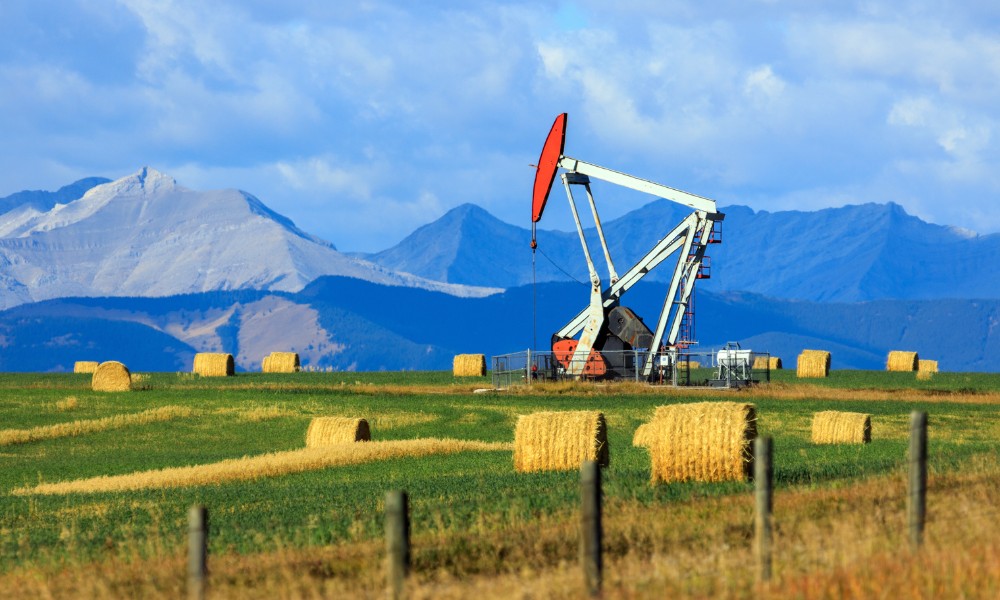
The Alberta government holds about 81 per cent of the province's mineral rights, including most of its oil and gas. Companies that produce Crown-owned oil pay royalties to the province.
Those royalties are a huge part of Alberta's budget. The province forecasts $23 billion in non-renewable resource revenue in 2026-27, including about $18 billion from bitumen royalties and $3.1 billion from crude oil royalties.
Water is also owned by the Crown, and using it requires a provincial licence. In parts of southern Alberta, there isn't much to spare. The Bow, Oldman and South Saskatchewan river basins have been closed to new surface water licences since 2006.
Michigan operatives at the Calgary airport
The Washington meetings weren't the only American connection.
In late January, Alberta Prosperity Project CEO Mitch Sylvestre and several colleagues met a delegation tied to 10X Votes in a boardroom near the Calgary International Airport.
10X Votes was built in Michigan to find people likely to support Republicans who don't usually vote, and get them to the polls. The Globe identified one of its founders, Drew Wierda, as one of the visitors.
The meeting was arranged by David Parker, an Alberta separation organizer who wanted to bring the idea to Alberta, according to the Globe.
Sylvestre told the Globe he grew uncomfortable with the pitch and refused to hand over the Alberta Prosperity Project's supporter list.
"Not a chance in hell you're getting my list," he said.
The meeting ended without a deal.
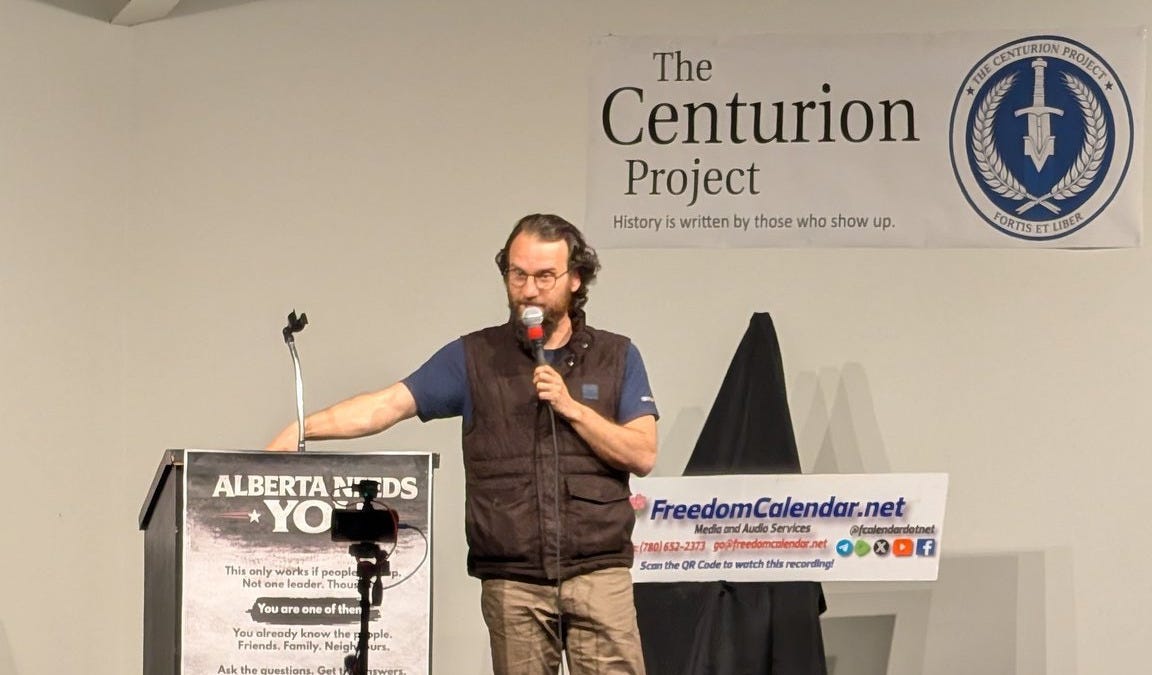
The Centurion Project
Weeks later, Parker launched the Centurion Project, using technology the Globe describes as adapted from the 10X model.
It later became the centre of one of Alberta's biggest voter data controversies.
Elections Alberta says the Centurion Project made unauthorized use of the Republican Party of Alberta's copy of the provincial list of electors. In April, it got an emergency court order to stop the information from being accessed or used. The list covered close to three million Alberta voters.
The RCMP, Elections Alberta and Alberta's privacy commissioner all opened investigations.
There's no indication in the reporting that 10X Votes supplied the Alberta voter data or was involved in the breach.
What the U.S. has said
In July, U.S. Ambassador to Canada Pete Hoekstra told Global News: "No, we're not meeting with the separatists and strategizing this at all." He said he wasn't aware of reported talks about a US$500-billion line of credit for an independent Alberta.
Asked about the Michigan operatives, Hoekstra told the Globe he had "zero involvement with 10X Votes in Canada."
All of this is happening during a Canada-U.S. trade war
The separatists' outreach comes at a tense moment between Canada and the U.S.
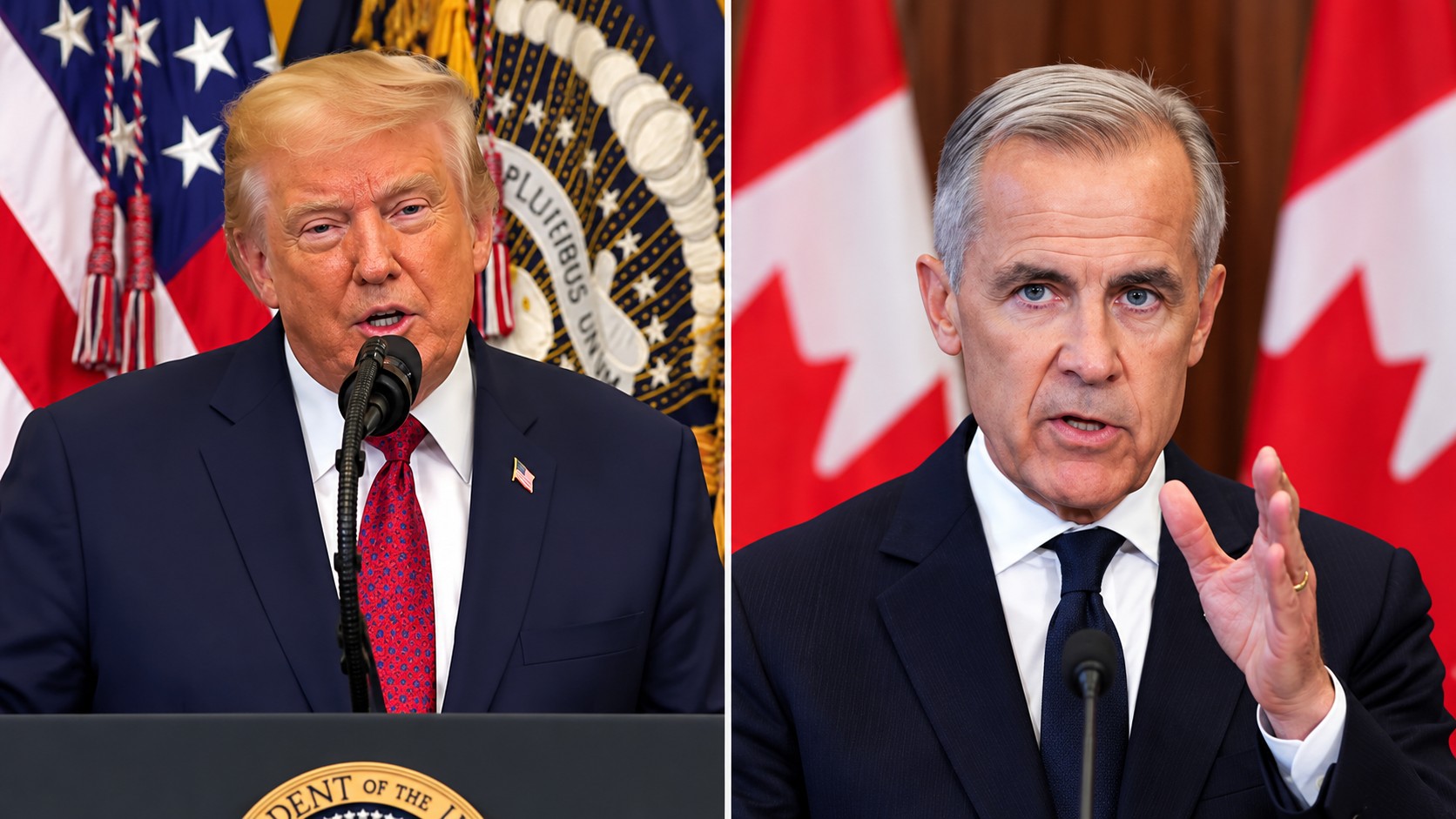
This week, President Donald Trump said Canada was being "taught a little lesson," a day after new U.S. bans on some Canadian alcohol, dairy-related products and vehicles took effect. Those products aren't facing tariffs. They're being turned away at the border.
An AP-NORC poll released the same week found just 26 per cent of Americans now call Canada a close ally, down from 62 per cent in 2023.
We covered Trump's comments, the new bans and the poll here.
Oil sits at the centre of all of it. The vast majority of Canada's crude oil exports go to the U.S., and most of that oil comes from Alberta.
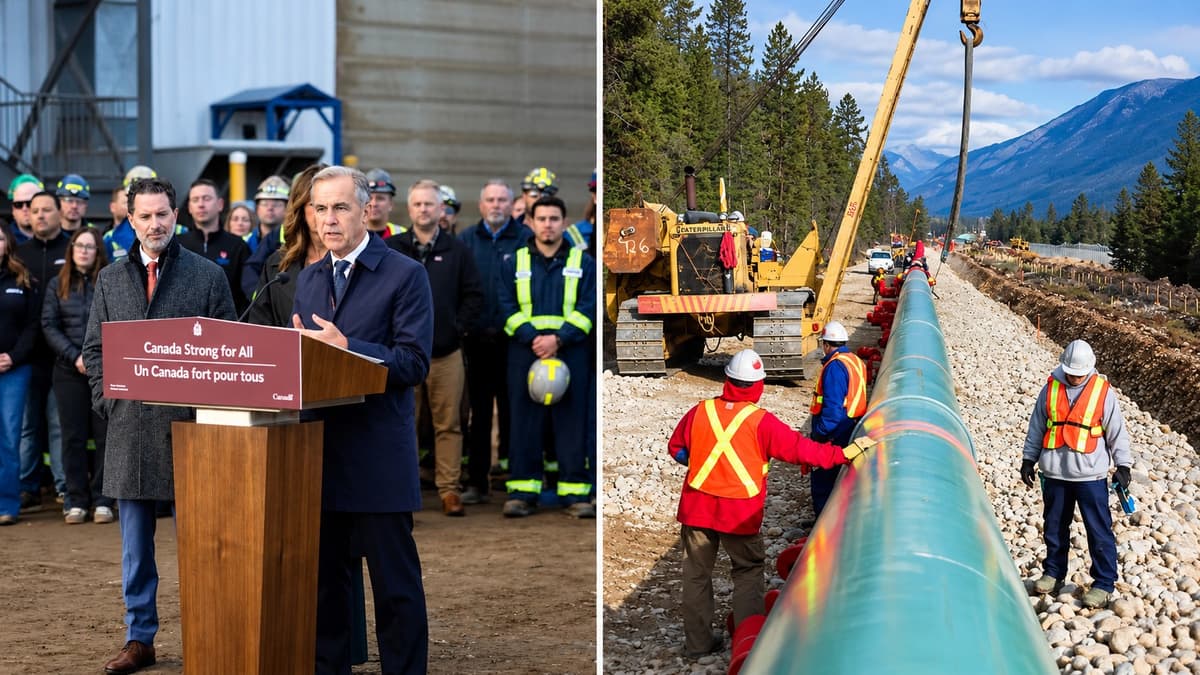
Two days before the Globe's investigation, Prime Minister Mark Carney and Premier Danielle Smith announced Pacific Link, a proposed pipeline to carry another one million barrels of Alberta crude a day to the B.C. coast, mostly for buyers in Asia. Ottawa says it "will reduce our dependence on the United States." Read our Pacific Link coverage here.
So in the same week, Ottawa and Alberta pitched a pipeline to sell less Alberta oil to the U.S., while the Globe reported on separatists exploring how an independent Alberta could tie its resources more closely to it.
Albertans vote Oct. 19
The referendum has 10 questions. Question 10 asks voters to choose between Alberta remaining a province of Canada, or the province beginning the constitutional process toward a future binding referendum on separation.
The result of Question 10 itself is not binding.
Elections Alberta processed just over 658,000 special ballot applications, about 11 times as many as in the 2023 election. Our coverage of that is here.
Advance voting runs Oct. 13 to 17. Voting day is Monday, Oct. 19.
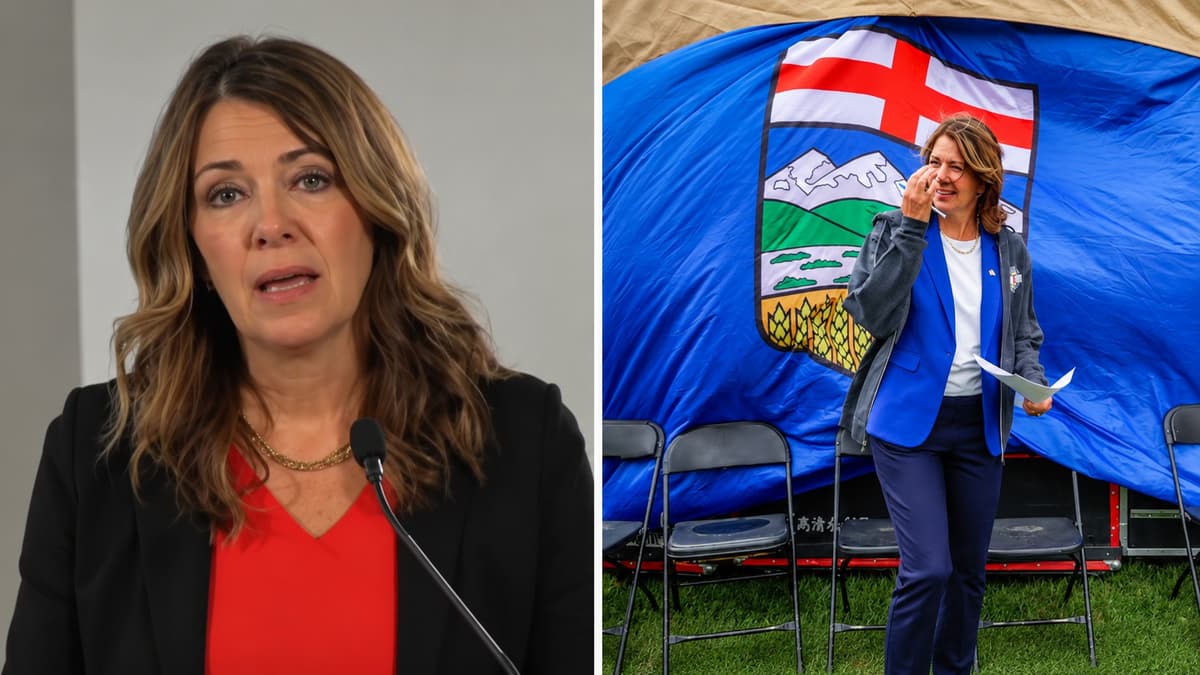
Related: Danielle Smith chokes back tears at Alberta referendum forum: 'Does this country actually want us?'
Sources
How some Alberta separatists are courting U.S. support for independence, The Globe and Mail, October 3, 2026
Referendum, Elections Alberta
Mineral ownership, Government of Alberta
Comments
Conversation