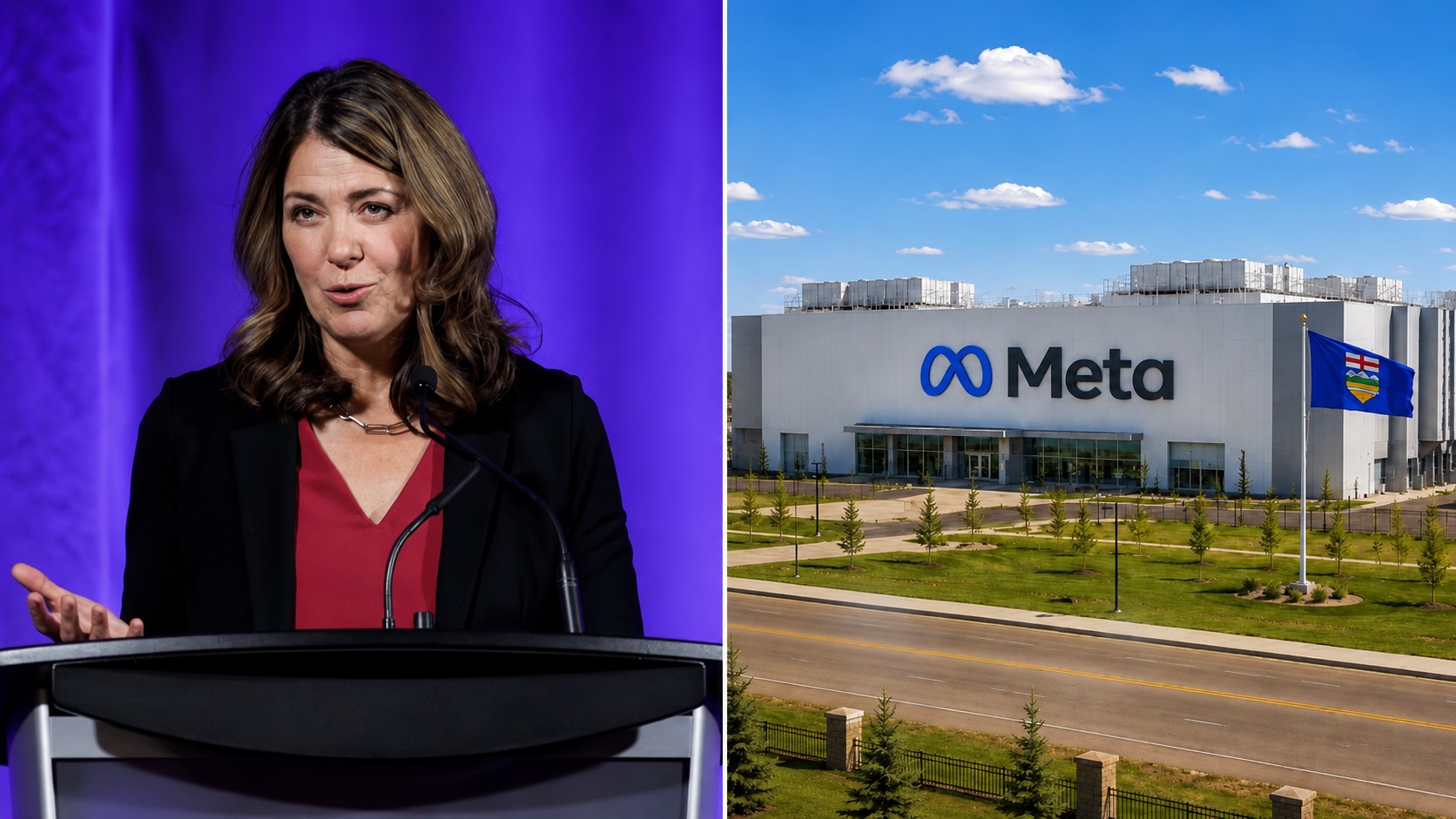
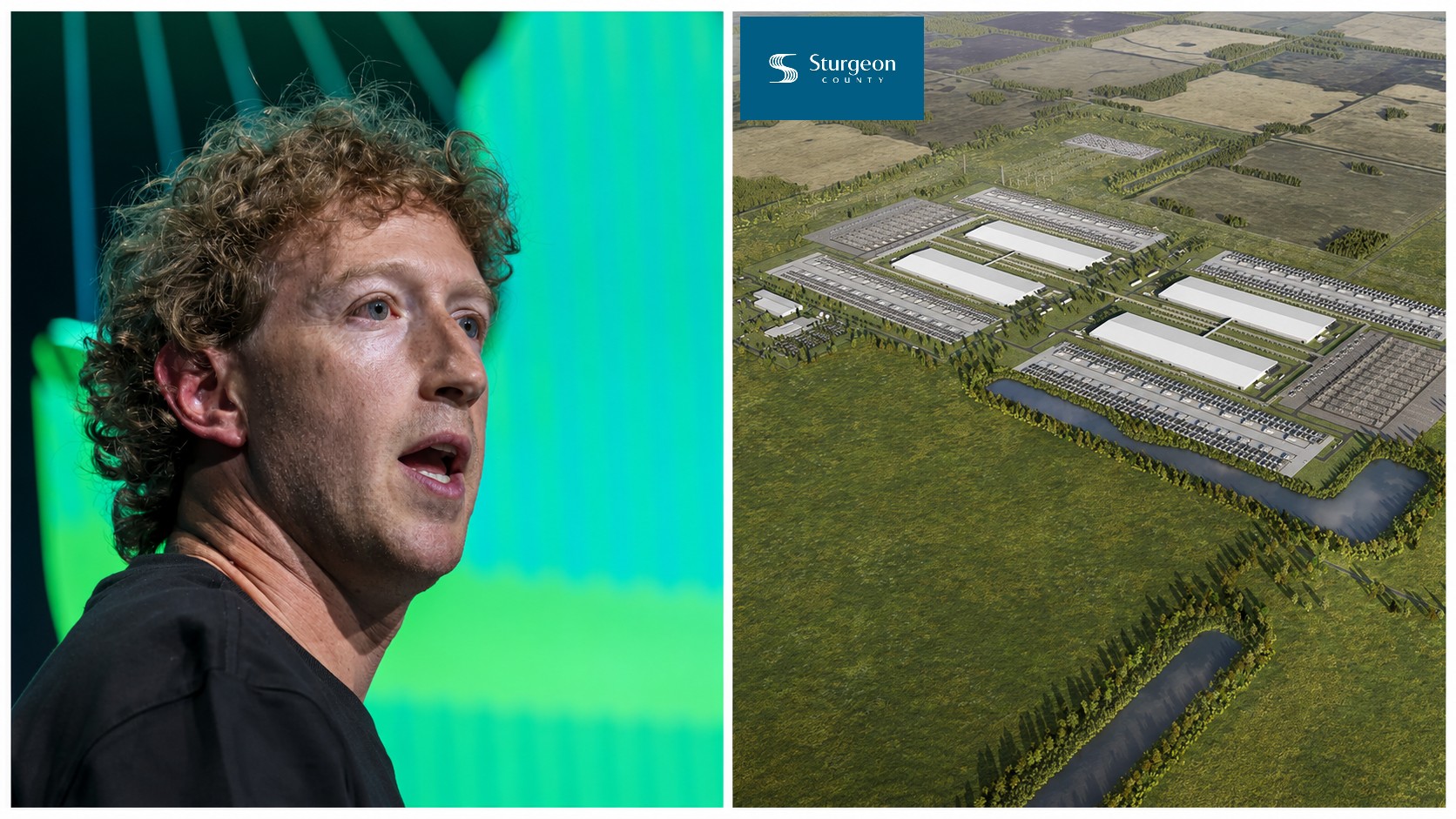
Meta is digging in Sturgeon County. Kevin O'Leary wants 7.5 gigawatts near Grande Cache. Thirty-odd other companies have asked the province for power. This is where every one of them stands, what it would draw from the grid, and who ends up paying.
Reported and maintained by the Culture Alberta newsroom. List reviewed Sep 22, 2026; provincial inventory checked Sep 22, 2026. Demand totals only count projects with a published megawatt figure, and Wonder Valley's 7.5 GW alone is a third of it. Photo: Pexels.
What changed recently
Green entries come straight from the province's daily inventory feed; blue ones are ours.
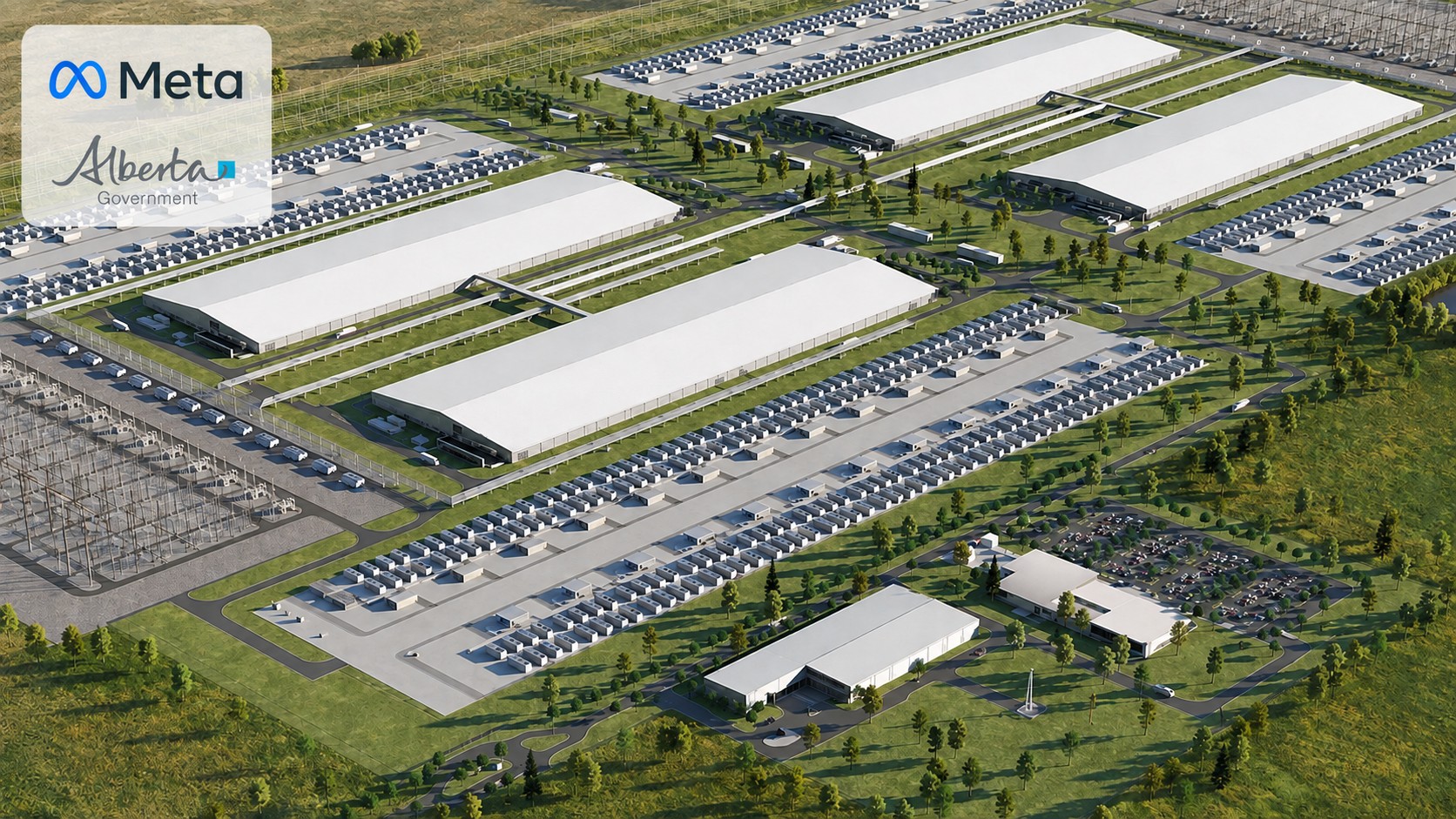
Meta broke ground on a 1 GW AI data centre, its first in Canada, with about 3,000 construction jobs at peak and 300 permanent positions. Power comes from the grid first, then the Greenlight Electricity Centre gas plant.
Every project on the map
Showing 36 of 45 · 23.3 GW of proposed demand in view
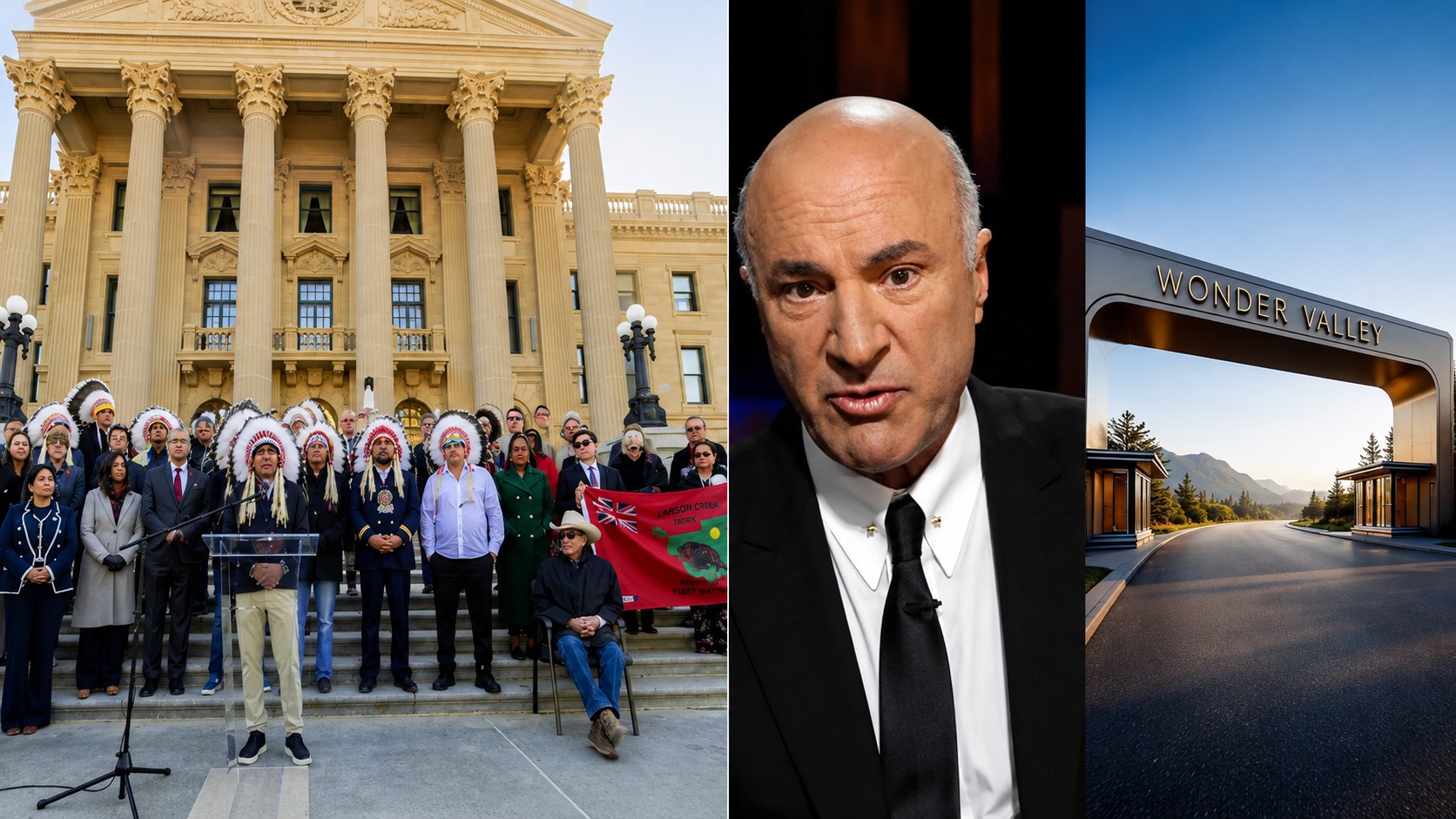
Kevin O'Leary's pitch for the world's largest AI campus on ~7,700 acres near Grande Cache. Enormous on paper, but still a land-and-power proposal without a confirmed anchor customer.
Province lists it as proposed at $12B.
Power:
On-site natural gas
Use:
AI / high-performance computing
Demand:
Phase 1 valued at $12B in the provincial inventory; 7.5 GW at full build, phased from an initial ~1 GW
Alberta’s largest power plant offering room for up to 1.5 GW of data centre load next door. Same water source and airshed as Keephills, which is why residents have asked for cumulative assessments.
Canada's largest AI data centre and Meta's first in the country. It is the project behind the Pembina Institute's estimate that Alberta households could pay $267–$462 more per year while it draws grid power before its own plant is finished.
Province lists it as under construction at $13B, 2026–2029.
Under Alberta's rules, a data centre must bring its own power plant, but it is allowed to draw from the shared grid while that plant is being built. The Pembina Institute modelled what the Meta project alone could do to wholesale prices during that gap and estimated an average household is at risk of paying an extra $267–$462 a year from 2027 to 2031. The province disputes the framing, saying wholesale and retail prices are not the same thing and that Meta-funded grid upgrades could cut transmission charges by up to 6 percent.
$per month
Use the total on your bill, including delivery and fees.
Extra per month (low)
$22
+12% on your bill
Extra per month (high)
$39
+21% on your bill
Extra per year
$267–$462
2027 to 2031, one project
Over five years
$1,335–$2,310
if the estimate holds
What this is: the Pembina Institute's published range for one project (Meta, 970 MW) drawing grid power before its own plant is running. It is a modelled risk, not a rate change on your bill.
What it is not: a forecast for every project on this page. If more data centres connect the same way before their generation is built, the effect would be larger; if they bring power first, it would be smaller. Fixed-rate contracts shield you from wholesale swings until they renew.
Pick a project to see its full-build power demand next to things you already know.
Homes it could power
1,180,490
Alberta has about 1.8 million households
Share of Alberta's record peak
7.8%
peak was 12.4 GW in January 2024
Cities the size of Calgary
0.8
Calgary averages ~1.2 GW
This project vs Alberta's record peak demand12.4 GW
970 MW
Homes figure assumes the site runs flat out, which AI data centres largely do. Household use from typical Alberta consumption of about 600 kWh per month. Photo: Pexels.
The rules in plain language
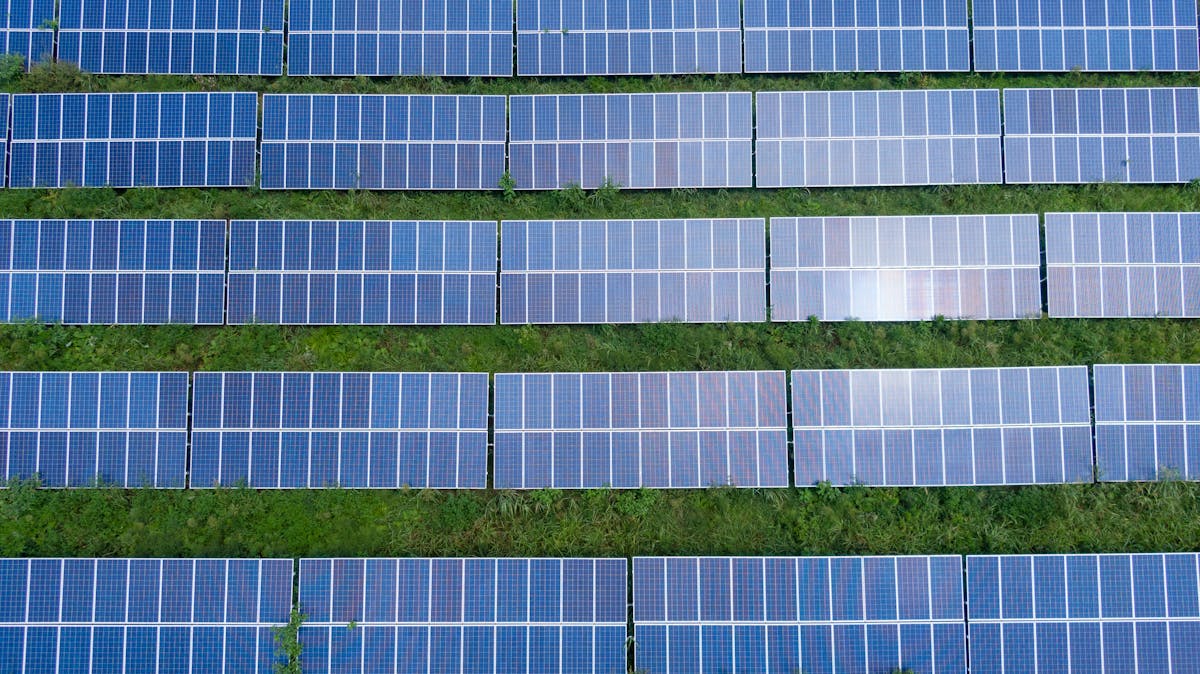
Since 2023, renewable development in Alberta has fallen about 93 percent, by the Pembina Institute's count. Whether data centres can be powered by wind, solar and batteries, or must run on gas, is the live fight.Photo: Pexels
Bring your own power
Large data centres must supply their own generation instead of competing for grid capacity. Alberta's Data Centre Regulation (in force June 2026) puts projects that pair demand with new generation or storage at the front of the connection queue. In practice, the province has steered that generation to natural gas.
Connect now, build later
The catch: a project can draw grid power before its plant is finished. AESO let 1,200 MW on under an interim cap, all of it taken by Meta (970 MW) and TransAlta's Keephills (230 MW), against roughly 19,565 MW of requests. This gap is where the bill-impact debate lives.
Water
All water use needs a Water Act licence. New licences are the most junior in a basin, so they are cut first in a shortage. Southern Alberta's river basins have been closed to new surface-water licences since 2006. Meta says its cooling loop uses no operational water; most proposals have not published a figure.
What the province gets
A levy of up to 2 percent on computing equipment, plus property taxes and gas royalties, with no subsidies or discounted power. Qualifying projects over $250 million get permit decisions within 120 days under the Expedited 120-Day Approvals Act, 2026. Ottawa's Responsible Data Centre Development Principles are voluntary and do not override provincial approvals.
We start from filings, not press releases: AESO's large-load connection list, the Government of Alberta's Major Projects Inventory, Alberta Utilities Commission power-plant applications, and county development permits. Where a project exists only in a company announcement or a news report, we say so with a “Reported” label rather than dress it up. Every record links the documents it rests on.
The province's inventory is re-checked every morning. When it moves a project to a new stage, changes a cost, or lists a new data centre we do not have, that lands in the change log above automatically with the date. Editors re-verify each record by hand, and the “last verified” date on every project page is the honest answer to how fresh it is.
Megawatt figures are the proponent's or the regulator's, at full build unless noted. Map pins sit on the municipality, not the parcel, because most sites have not published a legal land description. If you know of a project we are missing or a status that has moved, write to us and we will check the filing.
Know of a project we are missing, or a status that has changed? Email us and we will check the filing. Megawatt figures are as published by the proponent or regulator and change as projects are re-scoped.
Alberta data centres — frequently asked questions
How many data centres are there in Alberta?+
Culture Alberta tracks 45 data centre projects in Alberta as of 2026-09-22: 7 operating sites (mostly small colocation and bitcoin facilities totalling about 156 MW) and 36 projects proposed, approved or under construction. The proposed projects with a published figure add up to roughly 23.3 GW of new demand, more than Alberta's all-time record peak of 12,384 MW.
Where is the Meta data centre in Alberta?+
Meta's $13-billion, 1 GW AI data centre is in Sturgeon County, northeast of Edmonton in Alberta's Industrial Heartland. Meta reached its final investment decision on July 8, 2026. It holds a 970 MW AESO load contract, will be powered by the 932 MW Greenlight Electricity Centre gas plant plus a 250 MW Capital Power agreement, and expects about 3,000 construction jobs and 300 permanent jobs.
Will data centres raise my electricity bill in Alberta?+
Possibly, during the gap between a data centre connecting and its own power plant coming online. The Pembina Institute estimates the Meta project alone puts an average household at risk of paying $267 to $462 more per year from 2027 to 2031 through higher wholesale prices. The Government of Alberta disputes that framing, noting wholesale and retail prices differ and that Meta-funded grid upgrades could lower transmission charges by up to 6 percent. Customers on fixed-rate contracts are insulated until their contract renews.
What is Alberta's bring-your-own-power rule for data centres?+
Large data centres must supply their own generation rather than rely on the shared grid. Alberta's Data Centre Regulation, in force since June 2026, moves projects that pair new demand with new generation or storage to the front of the connection queue. The province has steered that generation toward natural gas; critics including the Pembina Institute argue renewables, storage and demand flexibility should be allowed to compete.
What is Wonder Valley?+
Wonder Valley is a proposed 7.5 GW off-grid AI data centre park in the MD of Greenview near Grande Cache, led by Kevin O'Leary's O'Leary Ventures, with a headline figure of up to $70 billion in investment. As of September 2026 it is a phased land-and-power proposal listed in the Alberta Major Projects Inventory, with no announced anchor tenant or binding construction agreement.
How much power has AESO actually approved for data centres?+
AESO allowed 1,200 MW of data centre load onto the grid under its Phase 1 interim limit, fully allocated to two projects: Meta's Sturgeon County campus (970 MW) and TransAlta's Keephills Data Centre Phase I (230 MW), both targeting 2027–28. Companies had asked to connect roughly 19,565 MW. Phase 2, the long-term framework for large loads, is still being developed.
How much water do Alberta data centres use?+
It depends on the cooling design, and most proposals have not published a figure. Meta says its Sturgeon County site uses closed-loop liquid cooling with no operational water use for cooling and less water annually than a typical Alberta golf course. All water use in Alberta requires a Water Act licence; new licences are the most junior in a basin and are restricted first in a shortage, and southern Alberta's river basins have been closed to new surface-water licences since 2006.
How many jobs do data centres create in Alberta?+
Construction jobs are large but temporary; permanent jobs are few relative to the investment. Meta projects about 3,000 construction workers at peak and 300 permanent positions for its $13-billion site. Research cited by the Pembina Institute finds most data centres create 30 to 50 permanent jobs, with the largest reaching around 200. Alberta has not required community-benefit agreements or local-hiring commitments.